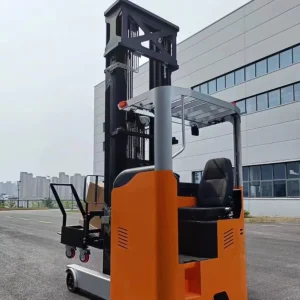
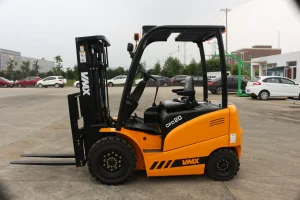
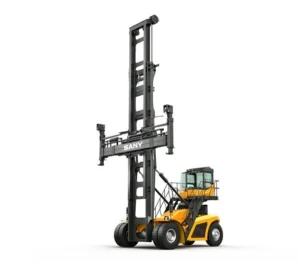
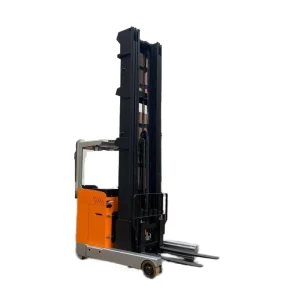
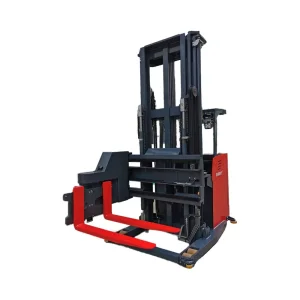
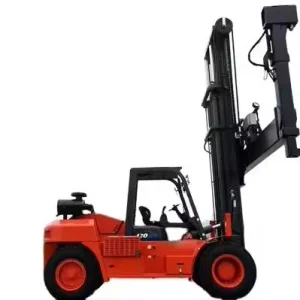
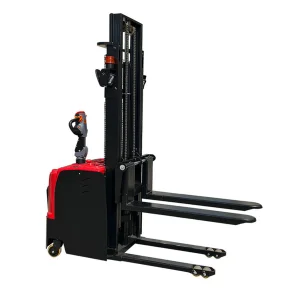
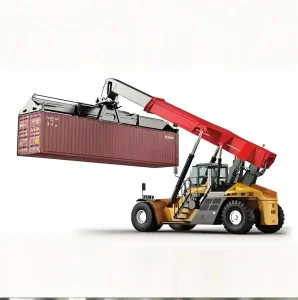
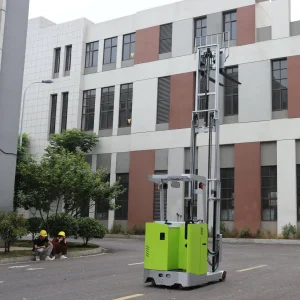
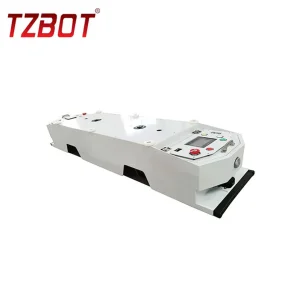
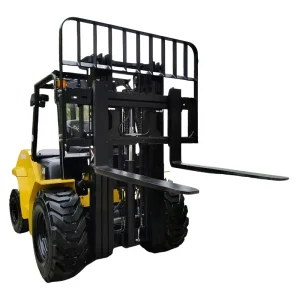
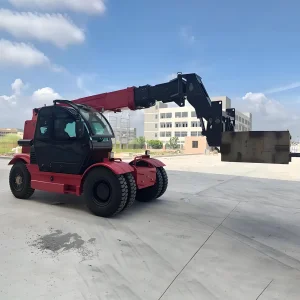
Explore our flagship selection of ATEX-certified reach trucks, container handlers, and specialized material handling systems engineered for high-consequence operations.
Understanding risks, regulatory parameters, and technical mandates across high-stakes industrial zones.
In modern industrial logistics, environments containing flammable gases, mists, vapors, or combustible dust require specialized engineering to prevent catastrophic incidents. Explosion-proof forklifts are not merely standard material handling units with minor additions; they are fundamentally redesigned machines featuring intrinsically safe electronic circuits, flameproof enclosures, spark-free structural metals, and advanced thermal management systems.
Sectors such as chemical manufacturing, pharmaceutical production, military munitions, aerospace propellant handling, paint spraying facilities, and oil & gas refining require rigorous compliance with localized safety standards. These mandates—most notably ATEX (Europe), IECEx (Global), and NEC/CEC Class-Division system (North America)—dictate the exact design configurations for material handling assets operating within hazardous zones.
As regulatory authorities clamp down on industrial emissions and occupational safety standards, procurement executives are shifting away from retrofitted combustion-powered solutions toward zero-emission, highly-engineered electric forklifts. These vehicles provide the precision of AC electric drive control alongside comprehensive explosion prevention engineering.
| Hazard Class (IECEx / ATEX) | Atmosphere Type | Primary Protection Philosophy | Common Equipment Standard |
|---|---|---|---|
| Zone 1 / Class I Div 1 | Flammable Gas/Vapor (Likely) | Flameproof (Ex d), Intrinsic Safety (Ex i) | EN 60079-1, UL 583 (Type EX) |
| Zone 2 / Class I Div 2 | Flammable Gas/Vapor (Unlikely) | Restricted Breathing (Ex nR), Increased Safety (Ex e) | EN 60079-15, UL 583 (Type EE/ES) |
| Zone 21 / Class II Div 1 | Combustible Dust (Likely) | Enclosure Protection (Ex t), Dust-Tight seals | EN 60079-31, UL 583 (Type EX-Dust) |
| Zone 22 / Class II Div 2 | Combustible Dust (Unlikely) | IP Dust protection, surface temp limits | EN 60079-31, UL 583 (Type DY) |
How state-of-the-art infrastructure and integrated industrial supply chains produce cost-effective, high-reliability safety equipment.
Unlike Western manufacturers who outsource components globally, China's central logistics hubs contain specialized forging, explosion-proof motor winding, and micro-controller assembly in close proximity. This slashes lead times and transit costs.
State-certified testing labs operate side-by-side with production lines. Every safety enclosure is pressurized and tested for spark propagation, guaranteeing that exported units meet strict ATEX/IECEx standards.
With an extensive talent pool of hydraulic, mechanical, and safety engineers, Chinese manufacturers can modify chassis lengths, lift heights, and attachment interfaces for unique site requirements faster than legacy brands.
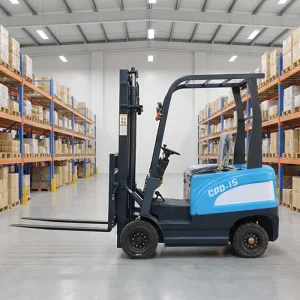
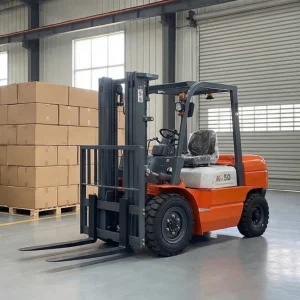
The global demand for high-capacity warehouse assets—such as reach trucks, standing-type counterbalanced forklifts, VNA (Very Narrow Aisle) stackers, and automated guided vehicles (AGVs)—has driven intense modernization in Chinese assembly plants. By implementing robotic precision welding, automated powder-coating lines, and IoT-driven assembly management, factories can offer significant cost advantages while maintaining rigorous safety certifications.
R&D Excellence, Advanced Customization, and Uncompromised Quality in Material Handling Solutions.
Hefei AJ Forklifts Equipment Co., Ltd. is a modern and professional enterprise dedicated to the research, development, production, modification, sales, and service of forklift trucks and intelligent logistics handling equipment. With a strong commitment to innovation and quality, the company has established itself as a reliable provider of comprehensive material handling solutions across industries such as warehousing, manufacturing, logistics, construction, and retail.
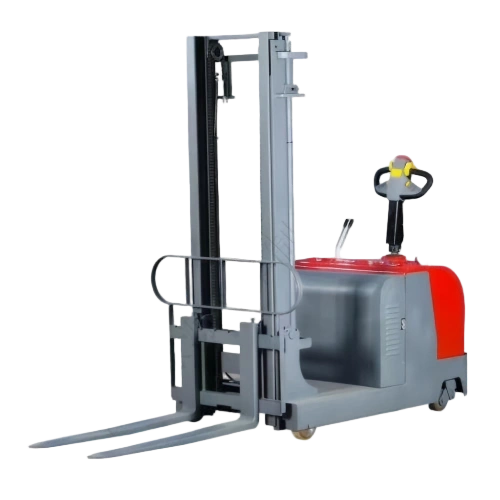
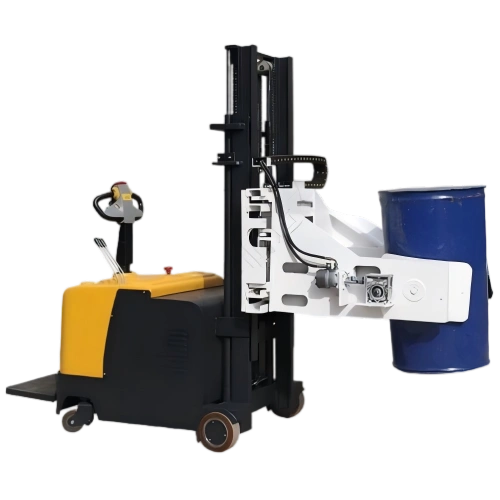
Our extensive product portfolio covers a full range of equipment, including reach trucks, standing-type counterbalanced forklifts, seated counterbalanced forklifts, fully electric pallet trucks, fully electric stackers, compact electric transport vehicles, semi-electric stackers, semi-electric pallet trucks, hydraulic lifting platforms, as well as various packaging machinery such as square and round wrapping machines. In addition to standard products, we also provide customized solutions to meet specific operational needs, helping customers improve efficiency and reduce operational costs.
The company is supported by a team of experienced engineers, technical experts, and professional management personnel with extensive experience in electric logistics equipment design and manufacturing. By adopting high-quality materials, advanced components, and precision production processes, we ensure that every product meets strict quality standards. Meanwhile, we continuously introduce advanced international technologies and modern management systems, enabling our products to achieve excellent performance in terms of durability, safety, energy efficiency, and operational stability.
Quality is at the core of everything we do. From raw material selection to final inspection, every step is strictly controlled to guarantee product reliability and consistency. Our equipment is designed with a focus on high performance, user-friendly operation, safety, and long service life, helping customers maximize productivity while minimizing maintenance costs.
We also place great emphasis on customer service and support. Hefei AJ Forklifts Equipment Co., Ltd. has established a comprehensive service system, offering pre-sales consultation, technical guidance, installation support, and timely after-sales service. Our goal is to build long-term partnerships by delivering efficient, reliable, and value-driven solutions.
Driven by the philosophy of continuous improvement and innovation, we adhere to the principles of “quality first, customer foremost, and management excellence.” We actively explore new technologies, including intelligent control systems and energy-saving solutions, to meet the evolving demands of modern logistics and industrial automation.
Key statistics representing our commitment to industrial compliance and global supply chain support.
Deploying tailored mechanical equipment based on real-world industry dangers and operational constraints.
Refineries and chemical blending plants generate combustible organic vapors during normal processing. Standard electric motors can produce arcs or static charges, initiating explosions. Flameproof and dust-ignition resistant forklifts prevent surface temperatures from reaching the auto-ignition points of surrounding gases.
Pharmaceutical processes involve fine powders and alcohol-based solvents that present dual explosion risks (dust and vapor). Cleanroom material handling requires stainless steel cladding, non-marking anti-static tires, and IP6X sealed enclosures that do not shed particulate matter.
With the rise of gigafactories, battery manufacturing facilities require material handling solutions capable of working safely around volatile lithium compounds and electrolyte fumes. Off-gassing risks require Class I Division 2 forklifts equipped with thermal monitoring systems.
Technological evolutions that are steering the procurement decisions of major industrial firms.
Historically, heavy lead-acid batteries dominated flameproof forklift design. However, advances in BMS (Battery Management Systems) combined with pressurized, flameproof lithium-iron phosphate (LiFePO4) containers are enabling fast charging, zero maintenance, and longer cycles in ATEX Zone 1/2 environments.
Reducing human operators in hazardous areas is a core safety driver. Automated guided vehicles equipped with explosion-proof LiDAR, intrinsically safe telemetry, and proximity detection sensors are replacing manned equipment in paint shops and gas bottling lines.
Real-time gas detection, surface temperature sensors, and battery cell health alerts are integrated directly into control dashboards. This allows operations managers to receive early warnings before equipment reaches critical safety thresholds.
When selecting an explosion-proof forklift supplier, check for the following:
Clear, authoritative answers to the most common questions in hazardous area material handling.
Advanced reach stackers, rugged rough terrain forklifts, and automated guided vehicles engineered for demanding conditions.
 AJ Forklifts