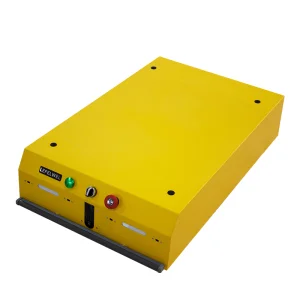
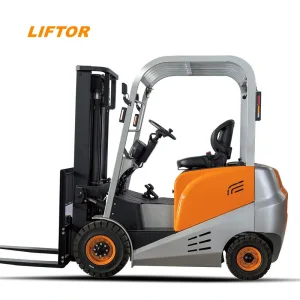
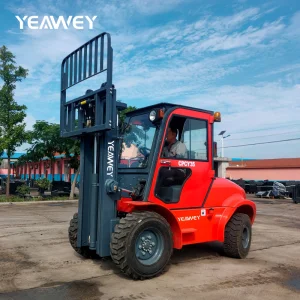
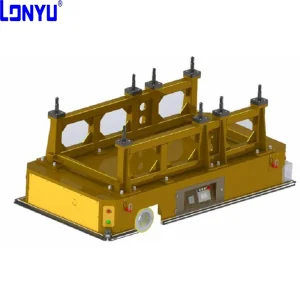
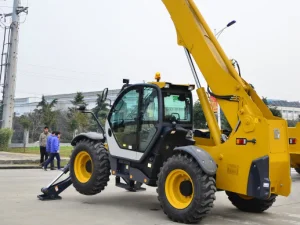
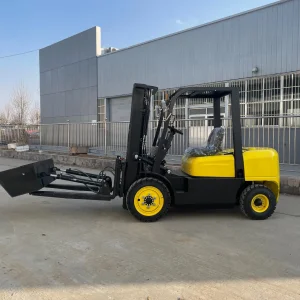
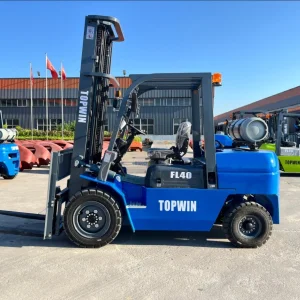
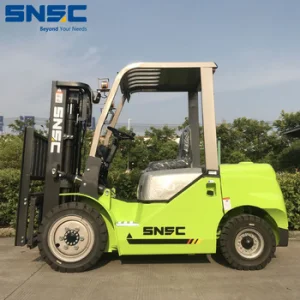
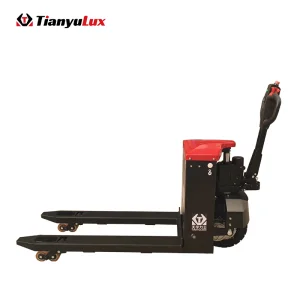
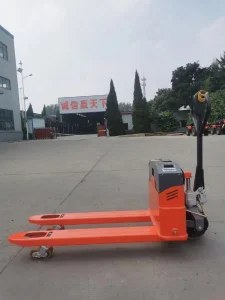
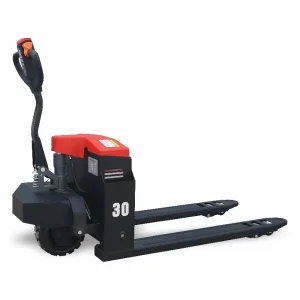
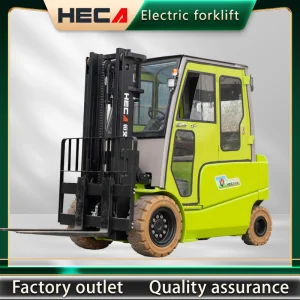
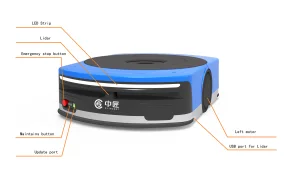
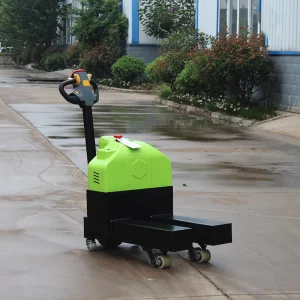
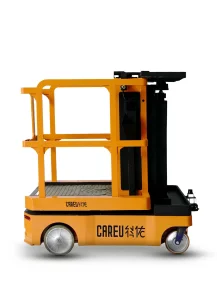
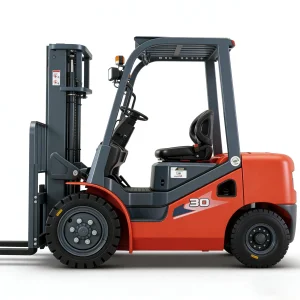
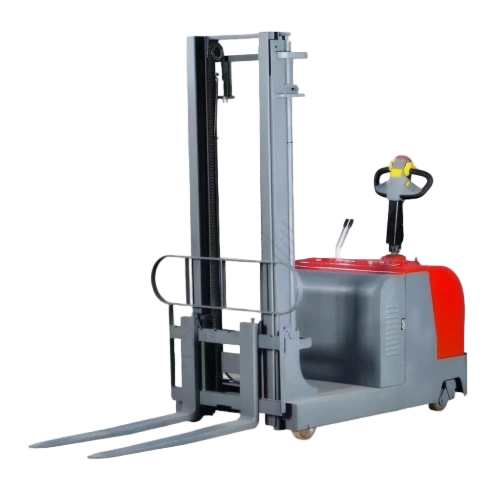
These first eight product configurations represent the core shuttle and handling layer used in receiving, storage, picking, staging, dispatch and outdoor yard transfer. Images and product URLs are retained for direct inquiry and technical review.
A warehouse shuttle is not a single machine. It is the operating layer that moves pallets, containers, totes and heavy components between receiving, storage, picking, staging and dispatch. For importers, distributors and industrial groups, supplier selection should be based on engineering fit, safety, uptime, documentation, export discipline and total cost of ownership rather than a single equipment price.
In semantic search and real procurement conversations, buyers use “warehouse shuttle” in different ways. Some mean automated guided vehicles that shuttle goods between fixed points. Others mean electric pallet jacks, stackers, order pickers, telehandlers or rough terrain forklifts that transport loads inside and around a facility. The strongest China warehouse shuttle suppliers and exporters can connect all of those categories into one clear material-flow proposal, with the correct load center, aisle width, floor condition, battery strategy, attachment, safety feature and service plan.
Hefei AJ Forklifts Equipment Co., Ltd. operates from that broader perspective. The company’s product range and customization capability allow buyers to source standard handling equipment and project-specific configurations through one export-oriented channel. That is important because warehouse shuttle projects often fail not at the product level, but at the handoff between load data, floor layout, charging infrastructure, operator behavior, maintenance access and spare-parts planning. A supplier that documents these variables early can reduce commissioning risk and long-term operating cost.
For every shuttle project, buyers should confirm load weight, load center, pallet size, rack beam height, aisle width, turning clearance and attachment weight. A model that looks suitable in a catalogue may lose capacity once an attachment, long fork or non-standard battery is added.
Lead-acid, lithium, LPG, diesel and explosion-proof power options solve different problems. Duty cycle, shift pattern, opportunity charging, battery room design, ventilation and local energy rules should be reviewed together before the configuration is fixed.
Warehouse shuttle equipment must be matched to the destination market, work environment and operator training plan. Export documentation, CE-related configurations, hazardous-area requirements and battery transport considerations should be clarified before shipment.
The lowest purchase price is rarely the lowest lifecycle cost. Spare-parts availability, service access, tire choice, battery life, charger quality, maintenance intervals and operator training all influence the real cost per pallet moved.
Global companies are rethinking material flow under pressure from labor availability, safety expectations, energy cost, real-estate constraints, e-commerce service levels, returns handling and supply-chain resilience. The result is stronger demand for equipment that can move goods predictably with fewer handoffs and clearer data.
Warehouses and factories in many regions face high turnover, aging workforces and long training cycles. Shuttle equipment reduces repeated manual travel and helps standardize work, but only when operators receive clear instructions and supervisors can monitor safe use.
Smaller order quantities, faster cut-off times and returns processing create more touches per order. Electric pallet jacks, order pickers and AGVs can reduce congestion and improve flow if they are selected against actual order profiles rather than assumed averages.
Real-estate costs push warehouses toward taller racks and narrower aisles. Reach trucks, stackers and compact electric trucks can improve storage density, but aisle width, floor flatness, rack protection and turning radius must be engineered as a system.
Buyers increasingly ask for anti-collision options, visibility features, speed control, warning systems, safe charging and operator training. A supplier that can document these items is easier to qualify with safety and compliance teams.
Electrification is not only a product choice; it is an infrastructure decision. Charging windows, peak demand, battery management, temperature, ventilation and emergency procedures all affect whether electric shuttle equipment delivers the expected benefit.
AGVs and automated order picking are most valuable when connected to WMS, ERP or production systems. Buyers should define data ownership, interfaces, exception handling and escalation rules before automation is deployed.
Warehouse shuttle systems should be designed around the environment of use. A 3PL warehouse, a steel plant, a construction yard, a food facility and a port staging area may all move pallets, but their floor conditions, safety rules, duty cycles and documentation requirements differ sharply.
Use electric pallet jacks, stackers, reach trucks, order pickers and AGVs to reduce travel, improve put-away and picking rhythm, and stabilize throughput during peak periods. Buyers should confirm aisle width, rack height, pallet quality and charging location.
Line-side replenishment requires predictable timing and clear traffic rules. Warehouse shuttle equipment can connect raw material storage, production cells and finished-goods staging, but safety zones and pedestrian interfaces must be designed before deployment.
Rough terrain forklifts and telescopic handlers support uneven ground, outdoor storage and lifting tasks that standard warehouse trucks cannot handle. Tire type, ground clearance, load chart and attachment choice are critical.
Fast-moving retail networks need flexible shuttle equipment for cross-docking, returns and seasonal peaks. Lithium pallet jacks and compact electric trucks can support multi-shift use where charging infrastructure is planned correctly.
Explosion-proof forklifts and specialized electric trucks may be required where flammable gases, vapors or dusts are present. Final acceptance must be based on certified models, zone classification and local authority requirements.
Staging yards and transfer hubs need durable equipment, strong service response and clear spare-parts planning. Outdoor-rated configurations, corrosion protection, tire selection and operator visibility should be reviewed for local conditions.
The technology roadmap for warehouse shuttle systems moves from manual and assisted equipment toward connected, automated and data-driven material flow. Most buyers should not jump directly to the most automated option; they should match each phase to load stability, process maturity, floor conditions, safety readiness and integration capability.
Replace repetitive manual movement with electric pallet jacks, stackers and compact electric trucks. Focus on operator comfort, battery strategy, charging layout and basic safety signage.
Add visibility aids, warning systems, speed governance and usage data where available. Standardize inspections and maintenance routines so equipment reliability can be measured objectively.
Deploy magnetic-guided, trackless or omni-directional AGVs for repeatable routes. Define traffic rules, exception handling, handoff points and operator escalation before scaling.
Connect shuttle equipment and AGVs to WMS, ERP and production systems. Use data for congestion analysis, predictive maintenance, slotting decisions and fleet-level performance review.
Across regions, procurement teams still value price, but they increasingly score safety, uptime, energy fit, spare-parts support and integration readiness. The weightings below are an illustrative RFQ scoring model; each project should adjust them according to local regulation, labor cost, duty cycle and growth plan.
Procurement lesson: the right warehouse shuttle supplier should help the buyer compare configurations, document assumptions and plan service before the purchase order is issued.
For buyers evaluating China warehouse shuttle suppliers and exporters, company capability matters as much as product appearance. The following profile is retained from the original company introduction and expanded with practical review points for international procurement teams.
Hefei AJ Forklifts Equipment Co., Ltd. is a modern and professional enterprise dedicated to the research, development, production, modification, sales, and service of forklift trucks and intelligent logistics handling equipment. With a strong commitment to innovation and quality, the company has established itself as a reliable provider of comprehensive material handling solutions across industries such as warehousing, manufacturing, logistics, construction, and retail.
Our extensive product portfolio covers a full range of equipment, including reach trucks, standing-type counterbalanced forklifts, seated counterbalanced forklifts, fully electric pallet trucks, fully electric stackers, compact electric transport vehicles, semi-electric stackers, semi-electric pallet trucks, hydraulic lifting platforms, as well as various packaging machinery such as square and round wrapping machines. In addition to standard products, we also provide customized solutions to meet specific operational needs, helping customers improve efficiency and reduce operational costs.
The company is supported by a team of experienced engineers, technical experts, and professional management personnel with extensive experience in electric logistics equipment design and manufacturing. By adopting high-quality materials, advanced components, and precision production processes, we ensure that every product meets strict quality standards. Meanwhile, we continuously introduce advanced international technologies and modern management systems, enabling our products to achieve excellent performance in terms of durability, safety, energy efficiency, and operational stability.
Quality is at the core of everything we do. From raw material selection to final inspection, every step is strictly controlled to guarantee product reliability and consistency. Our equipment is designed with a focus on high performance, user-friendly operation, safety, and long service life, helping customers maximize productivity while minimizing maintenance costs.
We also place great emphasis on customer service and support. Hefei AJ Forklifts Equipment Co., Ltd. has established a comprehensive service system, offering pre-sales consultation, technical guidance, installation support, and timely after-sales service. Our goal is to build long-term partnerships by delivering efficient, reliable, and value-driven solutions.
Driven by the philosophy of continuous improvement and innovation, we adhere to the principles of “quality first, customer foremost, and management excellence.” We actively explore new technologies, including intelligent control systems and energy-saving solutions, to meet the evolving demands of modern logistics and industrial automation.
 Engineering, customization and export support for warehouse shuttle and material handling projects.
Buyers can submit load, aisle, lift-height, floor, battery and attachment data for configuration review. This reduces the risk of capacity loss, unsuitable turning radius or mismatched charging plans.
Project-specific forks, attachments, battery options, warning systems and packaging requirements can be discussed during the quotation stage. Custom work should be documented with drawings and acceptance criteria.
Inspection should cover structure, hydraulic systems, electrical safety, braking, steering, labels, manuals and packing. A practical pre-shipment checklist helps buyers compare suppliers objectively.
Pre-sales consultation, technical guidance, installation support and after-sales response are central to long-term ownership. Spare-parts lists and maintenance schedules should be agreed before delivery.
International buyers rarely need the same configuration twice. Voltage, plug type, language, floor condition, ambient temperature, aisle width, local safety rules and operator habits all change the equipment specification. A reliable China warehouse shuttle exporter should turn those variables into a documented configuration and provide a clear compliance path for the destination market.
Confirm voltage, phase, frequency, plug type, control language, warning labels, seat or platform preferences, tire type and optional attachments. Final configuration should be recorded in the quotation and order confirmation.
Request operation manuals, maintenance schedules, electrical diagrams where applicable, spare-parts lists, packing lists and inspection records. Clear documentation reduces training time and service ambiguity.
Depending on model and destination, buyers may need CE-related documentation, battery transport information, electromagnetic compatibility review and hazardous-area certification. Final compliance must be verified by model and market scope.
Plan charging zones, ventilation, fire prevention, emergency procedures and operator responsibilities. Lithium and lead-acid systems require different handling, storage and maintenance practices.
A recommended wear-parts kit, filter list, brake components and hydraulic parts plan can protect uptime. Operator and technician training should be scheduled before commissioning or during the first production cycles.
Export packaging should protect the machine, battery, charger, manuals and accessories during multimodal transport. Container loading plans and lifting points should be confirmed with photos before shipment.
The most efficient RFQ includes operating data, not only product names. When buyers provide a structured requirement package, suppliers can respond with the right model, realistic options, proper documentation and a lower-risk delivery plan.
Map receiving, storage, picking, staging and dispatch routes. Record travel distance, transfer points, congestion zones, pedestrian interfaces and peak throughput.
Provide maximum weight, load center, pallet type, load stability, lift height, attachment requirement, floor slope and ground condition.
Check aisle width, door height, rack clearance, floor flatness, charging area, ventilation, ambient temperature and local electrical supply.
Agree on inspection, warranty, spare parts, training, service escalation, documentation and performance acceptance before the purchase order.
RFQ information gain: Ask every candidate supplier to explain why a model is recommended, what assumptions were used, which options affect lead time and how spare parts will be supported after commissioning. A transparent technical explanation is often more valuable than a larger catalogue.
These questions reflect the search intent of procurement managers, importers, distributors and industrial engineering teams comparing China warehouse shuttle suppliers and exporters.
Compare engineering response, product fit, safety documentation, quality control, export packing, spare-parts support and communication. Request a configuration explanation based on your load, aisle, floor, duty cycle and destination requirements.
A warehouse shuttle is a broad material-flow role. It can be performed by electric pallet jacks, stackers, order pickers, forklifts, telehandlers or AGVs. The correct choice depends on load, route, environment and automation maturity.
Yes, configuration should be confirmed before order. Buyers should state voltage, phase, frequency, plug type, language requirements and any local electrical or safety requirements in the RFQ.
Documentation depends on the specific model and destination market. CE-related configurations may be available for applicable products, and explosion-proof projects require verified certification scope for the target hazardous zone. Buyers should confirm final documents by model.
Select the correct capacity, avoid oversized batteries, plan charging around shift patterns, standardize wear parts, train operators, schedule preventive maintenance and keep a recommended spare-parts kit for critical components.
Project-dependent integration can be discussed at the engineering stage. Buyers should define the interface, data ownership, exception handling and acceptance tests before automation deployment.
The final eight configurations cover electric pallet jacks, lithium pallet trucks, automated order picking, AI-enabled AGVs, explosion-proof electric forklifts and versatile telescopic forklifts. Product images, titles and links are retained for direct comparison.
 AJ Forklifts