Understanding hydraulic fluid leakage in forklifts is essential for maintaining operational efficiency. According to John McCoy, a forklift maintenance expert with over 15 years of experience, "Noticing leakage early can save you costly repairs later." This insight underscores the importance of recognizing signs of hydraulic fluid leaks, as they can lead to serious issues if ignored.
Why does my forklift leak hydraulic fluid? Common causes include damaged seals or worn hoses. A small crack might seem insignificant, but it can lead to larger leaks. Operators should regularly inspect their equipment to catch these issues. The potential for fluid loss is not just a maintenance concern; it can also affect safety and productivity.
Regular maintenance is crucial. Neglecting minor leaks can escalate into major problems. Forklift operators must remain vigilant. While it's tempting to overlook small issues, doing so could lead to dangerous situations. Understanding the reasons behind hydraulic fluid leaks can prevent accidents and extend the life of your equipment.
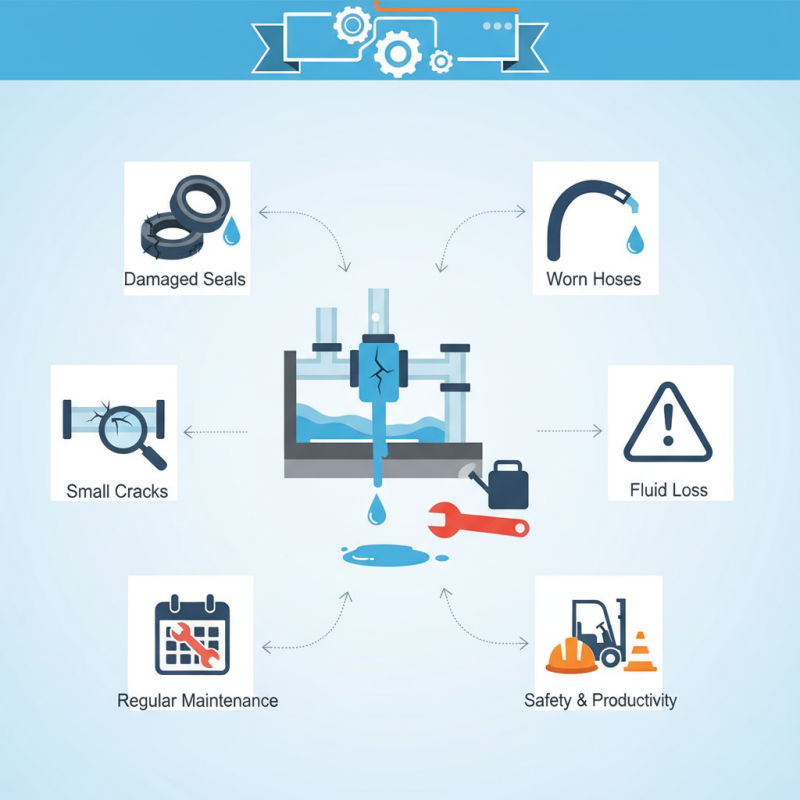
Hydraulic fluid leaks in forklifts are a common issue that can lead to operational inefficiencies. One primary cause is worn seals. According to industry reports, 40% of hydraulic system failures stem from failed seals. Regular maintenance can help prevent this. However, many operators overlook routine checks, leading to expensive repairs.
Another significant reason for leaks is damaged hoses. Hoses endure wear and tear from constant movement. Research indicates that about 30% of hydraulic issues originate from hose damage. Often, operators can miss small cracks until they become larger problems. Conducting visual inspections is crucial. Yet, many teams fail to prioritize this practice.
Additionally, improper assembly of hydraulic components can result in leaks. Studies show that poor assembly techniques account for 20% of problems. It’s vital to follow manufacturer guidelines precisely. Nevertheless, training may be lacking in some facilities. These overlooked details can create larger complications down the line. Recognizing these common causes is the first step towards maintaining a reliable forklift fleet.
Forklifts are essential in many industries for effective material handling. However, hydraulic fluid leaks can disrupt operations and pose safety risks. Identifying symptoms of leaks quickly is crucial for maintaining efficiency. Common signs include puddles of fluid under machinery, a noticeable drop in hydraulic pressure, and an unusually loud operation sound. According to industry reports, around 15% of forklift maintenance issues stem from hydraulic system failures, which often arise from overlooked leaks.
It's vital to conduct regular inspections to catch leaks early. A small fluid stain can indicate a larger problem. Check hoses and fittings for signs of wear and tear. Also, pay attention to the hydraulic fluid level. When it drops unexpectedly, there’s likely a leak somewhere in the system. Ensure that your operators are trained to recognize these symptoms, as they are the first line of defense against hydraulic issues.
Tip: If you notice a shift in operational sound, stop the forklift immediately. Continuing to use it could worsen the leak. Monitor your equipment’s performance diligently. An annual review can reveal hidden problems before they escalate. The cost of proactive maintenance is often lower than the consequences of hydraulic system failure.
| Reason | Symptoms | Potential Causes | Recommended Actions |
|---|---|---|---|
| Worn Seals | Spotting hydraulic fluid around the seals | Age and wear of seal materials | Replace seals and inspect for further damage |
| Damaged Hoses | Visible cracks or leaks on hoses | External damage or degradation | Replace damaged hoses immediately |
| Loose Connections | Fluid pooling under the connections | Improper tightening during maintenance | Tighten connections and recheck fluid levels |
| Overfilled Reservoir | Fluid spills over the reservoir | Incorrect fluid refill practices | Drain excess fluid to the correct level |
| Faulty Valves | Fluid leakage around valves | Wear and tear of valve components | Inspect and replace faulty valves |
| Leaking Cylinders | Fluid leakage from cylinder body | Corrosion or damage to the cylinder | Repair or replace the cylinder as needed |
| Cracked Frame | Fluid leaking from cracked areas | Stress fractures or heavy usage | Weld or replace the affected frame section |
| Improper Maintenance | General signs of neglect | Lack of regular inspections | Establish a regular maintenance schedule |
| Temperature Fluctuations | Viscous fluid or leaks when moving | Extreme weather conditions | Use fluid appropriate for temperature ranges |
| Aging Equipment | Multiple signs of wear | Overall age and usage hours | Consider refurbishing or replacing old equipment |
Hydraulic fluid leaks can severely impact forklift performance and safety. Even a small leak can lead to significant issues. With reduced fluid levels, vital components may not operate efficiently. This can slow down operations and increase energy consumption. Operators may also face difficulties in maneuverability. Such leaks compromise responsiveness, which can lead to accidents.
Safety is a major concern. A forklift with low hydraulic fluid is more likely to tip over or misjudge loads. Such mishaps pose a risk to both operators and nearby workers. Regular checks are essential to ensure the hydraulic system functions smoothly. However, many operators neglect this critical maintenance step. They often underestimate the importance of addressing leaks promptly.
Hydraulic systems are complex. A leak might seem minor but can indicate deeper issues. Operators must be vigilant and proactive. Ignoring these leaks is a mistake that can escalate. Consistent oversight and timely repairs can prevent larger problems down the line. Awareness of fluid levels should be part of daily checks. This attention to detail can enhance safety and extend the lifespan of the forklift.
Hydraulic fluid leaks in forklifts can be a significant issue. Regular preventive maintenance is vital to avoid these leaks. Inspect hoses and connections, looking for wear and cracks. Replace any damaged parts promptly. This simple step can save time and money in the long run.
Checking hydraulic fluid levels regularly is also crucial. Low fluid can cause the system to work harder, leading to leaks. Make sure to follow a maintenance schedule. Record your inspections and repairs. This creates a reliable history and helps identify recurring issues.
Don’t overlook cleaning the forklift regularly. Dust and grime can hide potential problems. By keeping your machine clean, you can spot leaks before they become serious. Reflecting on your maintenance routine can lead to better practices. Adjust and improve as needed.
Hydraulic fluid leaks in forklifts can lead to serious operational issues. Identifying when to seek professional help is crucial. If you notice a significant loss of hydraulic fluid, it's time to act. Even a small leak can escalate quickly if ignored. Inspect the floor under the forklift for any fluid puddles. A steady drip often signals a deeper problem.
Additionally, if the forklift's performance is impaired, consult an expert. Slow or unresponsive lifts indicate hydraulic issues. Regular maintenance is key, but some problems require professional diagnosis. Be aware of strange noises or unusual vibrations. These can signal a hydraulic failure. Trust your instincts; if something feels off, it’s better to have a trained technician assess the situation. Ignoring hydraulic issues can lead to costly repairs and downtime.
: Worn seals, damaged hoses, and improper assembly are main causes. Regular maintenance can help prevent these issues.
Worn seals are responsible for about 40% of failures. Overlooking routine checks can result in costly repairs.
Damaged hoses account for around 30% of hydraulic issues. Small cracks can be missed but lead to bigger problems.
Poor assembly is linked to 20% of hydraulic leaks. Following manufacturer guidelines is essential to avoid complications.
Leaks can reduce efficiency and increase energy consumption. They may also hinder maneuverability and slower operations.
Low hydraulic fluid levels increase the risk of tipping or misjudging loads. This poses dangers to operators and nearby workers.
Regular checks help ensure smooth operation. Neglecting maintenance can lead to severe performance issues and safety risks.
Yes, even minor leaks can signify larger problems. It’s vital for operators to stay vigilant and address leaks promptly.
Consistent oversight and timely repairs are crucial. Awareness of fluid levels should be part of daily checks.
Yes, many overlook routine maintenance. This can lead to operational problems and increased safety risks over time.
Understanding "Why does my forklift leak hydraulic fluid" is crucial for maintaining the efficiency and safety of your equipment. Common causes of hydraulic fluid leaks often include worn seals, loose fittings, or damaged hoses. Recognizing symptoms like puddles beneath the forklift, reduced lifting power, or irregular movements can help you address the problem early.
The impact of hydraulic fluid leaks on forklift performance can be significant, leading to decreased productivity and potential safety hazards. To prevent such issues, implementing regular maintenance is essential; this includes checking fluid levels, inspecting hydraulic components, and replacing worn parts promptly. If you encounter persistent leaks despite these efforts, seeking professional help is advisable to ensure the longevity and reliability of your forklift.

AJ Forklifts