Top Reasons Why Is My Forklift Making a Squeaking Noise?

Time:2026-09-16 Author:Sophia
0%

When a forklift starts squeaking, the sound may seem minor, especially in a noisy warehouse. However, repeated noise often signals friction, wear, or a part that needs attention. The question, “Why is my forklift making a squeaking noise,” deserves a careful answer. A brief squeak during steering may come from dry bushings or worn pivot points. A squeal near the wheels may suggest bearing, brake, or tire problems. Sounds from the mast can involve rollers, chains, guides, or insufficient lubrication. Each location provides a useful clue.

I have learned that sound alone can be misleading. A forklift may squeak only when lifting, turning, braking, or traveling over uneven concrete. That timing matters. Before further operation, trained personnel should park the machine safely, lower the forks, switch off the power, and follow the manufacturer’s instructions. A qualified technician can inspect lubrication points, wheel assemblies, mast components, hydraulic fittings, and brake systems. Maintenance records also help reveal whether the noise appeared after heavy use or a recent repair. Small details matter. A dry metal hinge, loose guard, or cracked wheel can produce a surprisingly sharp squeak. Never ignore a sound that worsens, affects steering, reduces braking, or appears with vibration or fluid leakage. The exact cause is not always obvious on the first inspection, and assumptions can delay a proper repair. This guide examines common causes, practical inspection steps, and signs that require professional service. Safety comes before convenience.
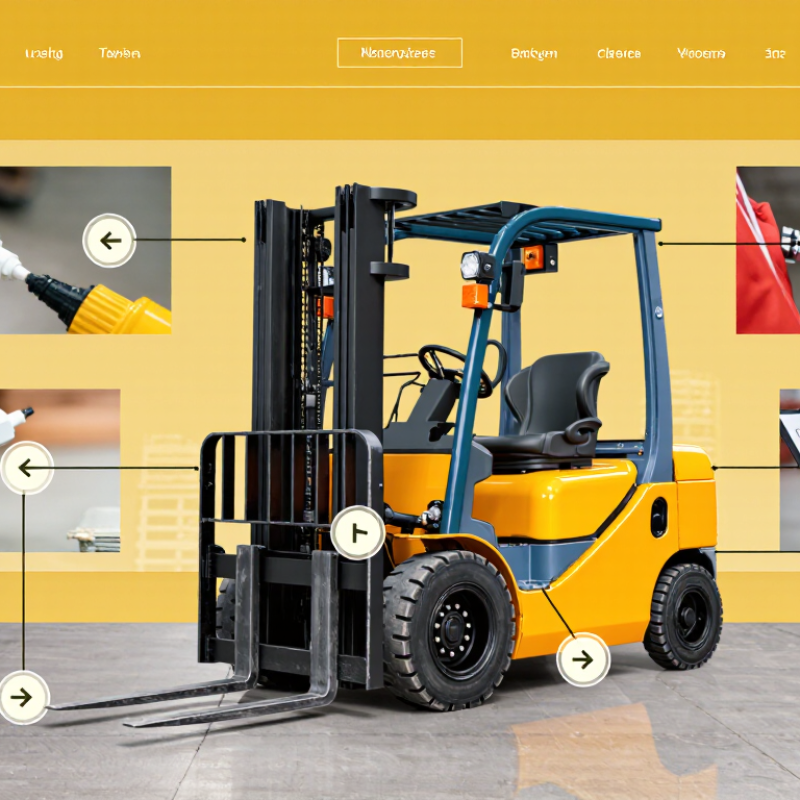
Top Reasons Why Is My Forklift Making a Squeaking Noise?

Define Squeak Sources Under OSHA 29 CFR 1910.178 Inspection Rules

Top Reasons Why Is My Forklift Making a Squeaking Noise?

A forklift squeak may come from dry pivots, worn bushings, loose fasteners, damaged wheels, or a strained lift chain. I have found that sound often travels through the frame. The apparent source can mislead even experienced operators. A squeak during braking deserves immediate attention. So does noise that changes during steering, lifting, or reversing. Metal dust, uneven tire wear, leaking fluid, and visible cracks provide useful clues. A quick spray of lubricant may silence the noise, but it can hide a developing defect.

OSHA 29 CFR 1910.178(q)(7) requires an examination before a truck enters service, at least daily. Trucks used continuously require examination after each shift. The inspection should include brakes, steering, tires, forks, chains, guards, warning devices, and fluid systems. Listen carefully during controlled operation. Never test a suspected defect in a busy aisle. Document the noise, operating condition, visible damage, and corrective action. This record supports reliable maintenance decisions.

Under 1910.178(p)(1), an unsafe truck must be removed from service until the condition is corrected. A trained person should isolate the cause, rather than guess from the sound alone. I once underestimated a faint squeak because the forklift still lifted normally. That judgment was poor. Normal lifting does not prove safe operation. If the source remains uncertain, tag the truck out and request qualified service personnel before returning it to work.

Trace Noise Across Wheels, Brakes, Mast, Chains, and Hydraulic Parts

Top Reasons Why Is My Forklift Making a Squeaking Noise?

A squeak from the wheels often points to worn bearings, dry bushings, or debris trapped near the tire. Check for uneven tire wear, loose wheel hardware, and metal dust around the hub. Brake noise may sound sharper when stopping. A glazed brake surface, worn lining, or small stones can create that sudden chirp. Test the service brake in a clear area, using a light load and low speed. Do not ignore a longer stopping distance.

The mast can squeak when rollers lack proper lubrication or when their surfaces become worn. Listen while raising and lowering the forks. A noise that changes with mast height may help locate the problem. Chains can scrape against guides when tension is uneven, lubrication is poor, or a link is damaged. Hydraulic parts deserve close attention too. A squeal during lifting may indicate restricted flow, low fluid, or a strained pump. I have found that sound alone can mislead; a quiet machine may still hide serious wear.

Tips: Park on level ground, lower the forks, switch off power, and follow the maintenance instructions before inspecting. Use the specified lubricant only. Never place hands near moving chains, wheels, or mast rollers. Record when the noise occurs, such as during braking, steering, lifting, or cold starts. If the sound continues after basic checks, remove the forklift from service and ask a qualified technician to inspect it. Small noises become expensive problems.

Check Lubrication Against OEM Intervals and ISO 3448 Viscosity Grades

A forklift squeaking near the mast, steering axle, or lift chain often signals missed lubrication. During workshop inspections, I have found dry pivot pins creating a sharp squeak before visible wear appears. Dirt can hide the problem.

Check the manufacturer’s service schedule before adding lubricant. Intervals may change with dust, moisture, heavy loads, or long shifts. Clean each grease fitting first. Then apply the specified amount slowly until fresh lubricant reaches the joint. Too little leaves metal surfaces dry. Too much can push seals out or attract abrasive dust.

For liquid lubricants, verify the ISO 3448 viscosity grade against the operating temperature and equipment manual. A higher viscosity is not automatically better. Cold oil may resist movement, while thin oil may fail under heat and pressure. Grease selection also needs care; its consistency is commonly identified by NLGI grade, not ISO 3448. Mixing incompatible products can cause separation or hardening. That mistake is easy to make.

Listen again after service. A remaining squeak may point to worn bushings, loose fasteners, damaged rollers, or a misaligned chain. Record the lubricant, date, operating hours, and observed noise. A short note helps reveal repeated failures. If the sound changes under load, stop guessing and request a qualified inspection. Sometimes the first diagnosis is wrong.

Top Reasons Why Is My Forklift Making a Squeaking Noise? - Check Lubrication Against OEM Intervals and ISO 3448 Viscosity Grades

Observed Squeak or Operating Condition Most Likely Lubrication-Related Cause Component to Inspect Recommended Inspection or Corrective Action Maintenance Timing Fluid or Grease Guidance
Squeak when the mast is raised or lowered Dry sliding surfaces, rollers, bushings, or pivot points Mast rollers, rail contact areas, lift-chain anchors, and mast pivots Clean away abrasive dirt, check for abnormal wear, and lubricate only the points specified in the service manual. Keep lubricant away from load-bearing roller treads unless the manual permits it. Follow the OEM interval; inspect during every planned maintenance service and after operation in dust, water, or corrosive conditions. Use the specified multipurpose grease or chain lubricant. Do not substitute hydraulic oil for grease unless approved by the equipment manufacturer.
Squeak during forward or reverse travel Insufficient grease at chassis joints or a dry steering linkage Steer-axle pins, tie-rod ends, kingpins, and suspension or frame pivots Check grease fittings for blockage, inspect for looseness or play, and apply grease until clean grease appears where the design allows purging. Use the OEM schedule; many lubrication points require more frequent attention in severe-duty applications. Use the specified NLGI grade and grease type. The NLGI consistency grade is not the same as an ISO 3448 viscosity grade.
Noise when turning the steering wheel Dry steering-column joint, steering shaft bearing, or linkage pivot Universal joints, steering shaft supports, steering knuckles, and linkage pivots Inspect for damaged seals, corrosion, excessive free play, and restricted movement. Lubricate only serviceable points identified by the maintenance documentation. Inspect at scheduled service intervals and whenever steering effort, return-to-center action, or steering play changes. Use the specified grease or light lubricant; avoid spraying lubricant onto brake friction surfaces or electrical connectors.
Squeak or chirp from the lift chains Dry chain pins, rollers, or plates; contamination can also cause abrasive wear Lift chains, chain anchors, chain sheaves, and chain guides Inspect for rust, stiff links, elongation, cracked plates, and unequal tension. Clean according to the service procedure and apply an approved chain lubricant sparingly. Inspect before each shift where required by the safety program; lubricate at the OEM interval and after washing or exposure to moisture. Use a chain lubricant that does not attract excessive dust and is approved for the application. Do not rely on an ISO VG hydraulic-oil grade as a chain-lubricant specification.
Whine or squeak becomes louder as hydraulic functions operate Low hydraulic-fluid level, aeration, restricted suction flow, or incorrect fluid viscosity Hydraulic reservoir, suction strainer, return filter, pump inlet, hoses, and fluid condition Check the level using the correct procedure, inspect for foaming or leaks, and replace filters or fluid only when the service procedure requires it. Do not open pressurized hydraulic lines. Check the level during pre-operation inspection; replace fluid and filters at the OEM interval or sooner after contamination or overheating. Select the viscosity grade specified for the ambient-temperature range. Common ISO 3448 grades include ISO VG 32, 46, and 68, but the equipment specification takes priority.
Squeak occurs mainly in cold weather Grease or hydraulic fluid is too viscous at the starting temperature Hydraulic pump, mast pivots, bushings, bearings, and steering joints Compare the operating temperature with the approved lubricant range. Allow the system to warm up as specified and investigate persistent noise rather than masking it with extra lubricant. Review seasonal requirements before temperature changes and whenever the truck is moved to a different climate. ISO VG 32 has a nominal kinematic viscosity of 32 mm²/s at 40°C; ISO VG 46 is 46 mm²/s; ISO VG 68 is 68 mm²/s. These grades are not automatically interchangeable.
Squeak after washing or outdoor operation Water displaced lubricant or entered a bearing, bushing, or chain joint Grease points, chain links, wheel bearings, mast pivots, and exposed joints Dry the truck, inspect seals and boots, remove contaminated lubricant where required, and relubricate according to the service instructions. Perform a post-wash inspection and follow the OEM interval; shorten the interval for frequent water exposure. Use a water-resistant grease only when specified. Never direct high-pressure water at seals, bearings, electrical parts, or hydraulic breathers.
Noise accompanied by vibration, heat, or rough movement Advanced wear, damaged bearing surfaces, misalignment, or a failing hydraulic component rather than simple lack of lubrication Wheel bearings, mast rollers, drive axle, hydraulic pump, and structural attachment points Remove the forklift from service if safe operation may be affected. Arrange a qualified inspection and do not continue adding lubricant to conceal the symptom. Inspect immediately; do not wait for the next scheduled lubrication interval. Use only the lubricant and replacement parts specified for the component. Viscosity selection cannot correct mechanical damage or misalignment.

Reference notes: ISO 3448 classifies industrial liquid lubricants by nominal kinematic viscosity at 40°C. The correct lubricant, quantity, and service interval must be verified against the forklift manufacturer’s maintenance instructions, operating environment, and component requirements.

Measure Brake and Wheel Wear Against ANSI/ITSDF B56.1 Service Limits

Top Reasons Why Is My Forklift Making a Squeaking Noise?

A squeaking forklift often points to brake or wheel wear, but the sound can mislead you. Dust, a dry pivot, or loose hardware may create similar noise. During a safety inspection, park the truck, lower the forks, and isolate its power source. Check brake linings, drums, discs, and linkages for uneven wear or contamination. Do not rely on sound alone.

Measure the braking components against the service limits in the current ANSI/ITSDF B56.1 requirements and the truck’s service documentation. Check wheel diameter, tread condition, chunking, flat spots, and exposed reinforcement. A wheel may still look usable while measuring below its permitted limit. Brake pedal travel, stopping distance, and pulling during braking also matter. Record measurements, not guesses. A quick spray may silence the squeak, but it is not a repair.

Tips: Use a calibrated gauge and clean measuring points first. Compare both sides of the axle. Replace parts when measurements reach the stated limit, or earlier if cracking, oil contamination, or unstable braking appears. Never mix inspection results with assumptions. That mistake happens. Recheck after repairs, because a quiet forklift can still have unsafe braking. If the standard and service manual differ, follow the stricter applicable requirement and obtain qualified technical review.

Repair Safely Using OSHA Lockout/Tagout Rules After 85 Annual Fatalities Data

A forklift squeaking noise can come from dry pivot points, worn bushings, loose hardware, damaged wheels, or a failing lift-chain component. The sound may change when the machine turns, brakes, or raises a load. Do not dismiss it as normal wear. A small squeak can signal a larger mechanical problem.

The cited 85 annual fatalities figure should make every repair decision more careful. Before inspection, park the forklift on a firm, level surface. Lower the forks completely, place controls in neutral, set the parking brake, and remove the key. Follow OSHA’s Lockout/Tagout requirements under 29 CFR 1910.147. An authorized worker must isolate electrical, hydraulic, fuel, and other energy sources. Release stored pressure where applicable. Then verify zero energy using approved procedures.

Test it properly.

Never depend on the key alone. Apply a personal lock and tag, and notify affected workers before service begins. A quick lubricant spray may silence the squeak, but it can hide worn parts or create a false sense of safety. Inspect chains, mast rollers, wheel bearings, brake components, and fasteners with the manufacturer’s service information. Replace damaged parts through a qualified technician. Even experienced teams can rush verification. That mistake is worth reconsidering. After repair, remove tools, clear personnel, and complete a controlled operational check before returning the forklift to service.

Top Reasons Why Is My Forklift Making a Squeaking Noise? — Repair Safely Using OSHA Lockout/Tagout Rules

OSHA reports approximately 85 forklift-related fatalities, 34,900 serious injuries, and 61,800 non-serious injuries among workers each year in the United States. A squeaking noise may indicate worn brakes, dry or damaged bearings, steering components, loose hardware, or problems with wheels and tires. Stop the forklift, isolate its energy sources, and apply OSHA lockout/tagout procedures before inspection or repair.

Source: U.S. Occupational Safety and Health Administration (OSHA), Powered Industrial Trucks safety information. Figures are approximate annual estimates.

FAQS

What does a squeaking forklift usually indicate?

It may indicate missed lubrication, wheel wear, brake wear, or loose hardware. Sound alone cannot identify the fault.

Where should lubrication be checked?

Inspect the mast, pivot pins, steering axle, and lift chain. Dry pivot pins can squeak sharply before visible wear appears.

How should grease fittings be serviced?

Clean each fitting first. Apply the specified amount slowly until fresh lubricant reaches the joint. Do not force excessive grease.

Why can too much lubricant cause problems?

Excess grease may push seals outward or attract abrasive dust. More lubricant is not always better.

How should liquid lubricant viscosity be selected?

Match the viscosity grade with operating temperature and the service manual. Thick oil may resist movement when cold.

Can different lubricants be mixed?

Mixing incompatible products can cause separation or hardening. That mistake is easy to make. Confirm compatibility before adding lubricant.

What should be checked when braking or wheel squeaks occur?

Inspect brake linings, drums, discs, linkages, and wheels. Look for flat spots, cracking, chunking, contamination, or exposed reinforcement.

How can wheel and brake wear be measured properly?

Clean the measuring points and use a calibrated gauge. Compare both axle sides with the current service limits.

Is a quiet forklift always safe after lubrication?

No. A remaining or changed squeak may indicate worn bushings, damaged rollers, loose fasteners, or chain misalignment.

What maintenance details should be recorded?

Record the lubricant, date, operating hours, measurements, and noise condition. My first diagnosis may be wrong. Recheck after repairs.

Conclusion

Why is my forklift making a squeaking noise? The sound can originate from several areas, including dry or worn wheels, brake components, mast rollers, lift chains, and hydraulic parts. A structured inspection should begin with the safety requirements in OSHA 29 CFR 1910.178, identifying when and where the noise occurs before the truck is returned to service. Check for loose hardware, damaged components, abnormal movement, fluid leaks, and signs of uneven wear. Lubrication should follow the equipment manufacturer’s recommended intervals, while the selected lubricant should match the required ISO 3448 viscosity grade and operating conditions.

Brake performance and wheel condition should also be compared with applicable ANSI/ITSDF B56.1 service limits. If repairs are necessary, park the forklift securely, isolate its energy sources, and apply proper OSHA lockout/tagout procedures before work begins. Because forklift incidents can result in serious injuries and fatalities, including the commonly cited annual fatality figures, even a minor squeak should be investigated promptly by a qualified technician.

Sophia

Sophia

Sophia is a dedicated marketing professional with an exceptional depth of knowledge about her company's products and services. With a keen understanding of market trends and customer needs, she crafts insightful blog posts that not only inform but also engage readers, enriching the company’s online......