In recent years, the logistics industry has faced mounting pressure to reduce environmental impacts. One major area of focus is carbon emissions. Many logistics companies are now seeking solutions to address this pressing issue. Electric trucks have emerged as a viable option. They offer several benefits that contribute to a greener supply chain. Understanding how to reduce carbon footprint in logistics with electric trucks is crucial for sustainability.
Adopting electric trucks can significantly lower greenhouse gas emissions compared to traditional diesel vehicles. These trucks can operate efficiently in urban areas, where pollution often poses health risks. However, the transition is not without challenges. Charging infrastructure remains a key concern. Companies must invest in strategic locations for charging stations.
Furthermore, one must consider the total cost of ownership. Sometimes, electric trucks appear more expensive upfront. Yet, the long-term savings on fuel and maintenance can outweigh initial costs. As businesses explore electric options, they need to evaluate their logistics networks. This reflection can lead to innovative solutions that promote sustainability. Embracing electric trucks is a step towards a more sustainable future in logistics.
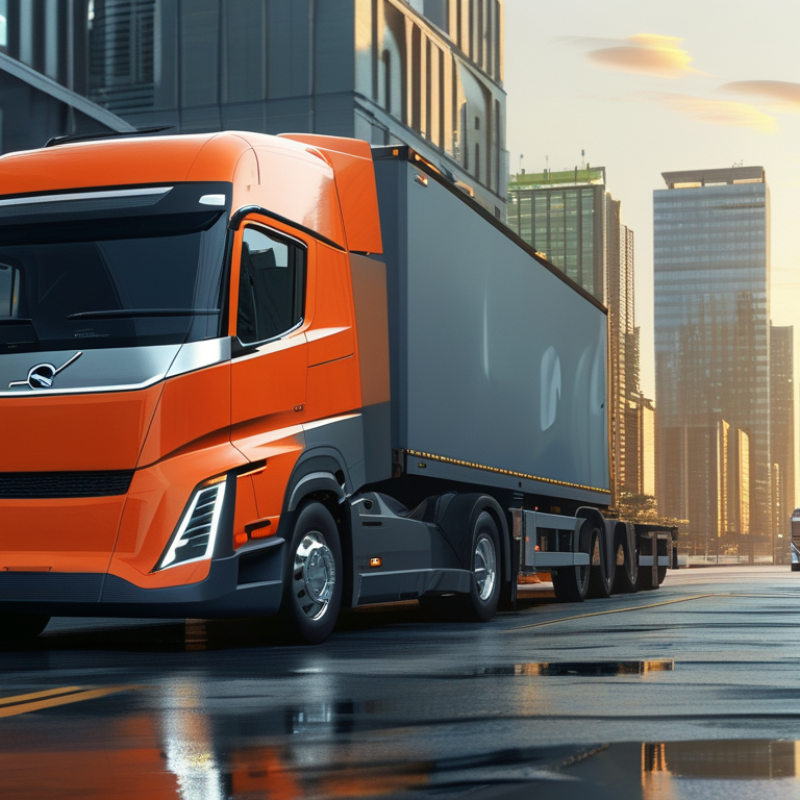
Electric trucks are transforming the logistics industry. Their reliance on batteries significantly reduces greenhouse gas emissions. According to the International Energy Agency, electric trucks can reduce carbon emissions by up to 40% compared to traditional diesel counterparts. This reduction is critical in combating climate change.
The logistics sector is responsible for a significant portion of global CO2 emissions—approximately 24%. As consumers increasingly demand sustainable practices, logistics companies face pressure to adapt. Electric trucks offer a viable solution, providing a cleaner alternative that meets both environmental goals and operational demands. However, challenges remain. Battery range and charging infrastructure are often cited as limitations in adopting electric vehicles for long-haul transport.
Successful integration of electric trucks requires strategic planning. Route optimization can enhance efficiency—leading to reduced energy consumption. The present infrastructure may not fully support widespread electric truck usage, raising questions about reliability and availability. Yet, the potential benefits are too significant to ignore, making it imperative for companies to invest in this transition.
| Metric | Traditional Diesel Truck | Electric Truck |
|---|---|---|
| Carbon Emissions (kg CO2/100 km) | 200 | 0 |
| Fuel Cost ($/100 km) | 90 | 40 |
| Maintenance Cost ($/year) | 10,000 | 5,000 |
| Range (km) | 600 | 400 |
| Charging Time (hours) | N/A | 1.5 |
| Government Incentives ($) | 0 | 10,000 |
: Electric trucks can reduce greenhouse gas emissions significantly. They may cut emissions by up to 40%.
Limited battery range and insufficient charging infrastructure are key challenges. Many areas lack enough charging stations.
Electric trucks have the potential to reduce carbon footprints by up to 50%. This potential highlights their importance in sustainable transport.
Proper training can improve performance. Well-informed drivers can enhance fuel efficiency by 20%.
Route optimization can lead to reduced energy consumption. This is essential for enhancing electric truck efficiency.
Only 25% of logistics hubs currently have electric vehicle chargers installed. This presents a significant gap.
Yes, initial costs can be higher. This raises concerns about return on investment for many companies.
Data collection is key. Organizations should measure fuel consumption and emissions regularly to track progress.
Strategic planning is necessary. Companies must consider infrastructure and training to ensure a smooth transition.
Analyzing metrics helps refine strategies. Thoughtful adjustments are essential as technology and infrastructure evolve.
The transition to electric trucks in logistics is crucial for companies aiming to reduce their carbon footprint. Understanding the importance of these vehicles is the first step, as they offer a sustainable alternative to traditional diesel trucks. When evaluating how to reduce carbon footprint in logistics with electric trucks, key factors such as vehicle range, charging infrastructure, and total cost of ownership should be considered.
To effectively integrate electric trucks into existing logistics systems, companies should adopt strategies that include route planning and fleet management adjustments. Best practices for charging and maintaining electric truck fleets will ensure optimal performance and longevity. Ultimately, measuring the impact of electric trucks on reduced emissions will provide valuable insights into their effectiveness and further enhance commitment to sustainability within the logistics industry.

 AJ Forklifts