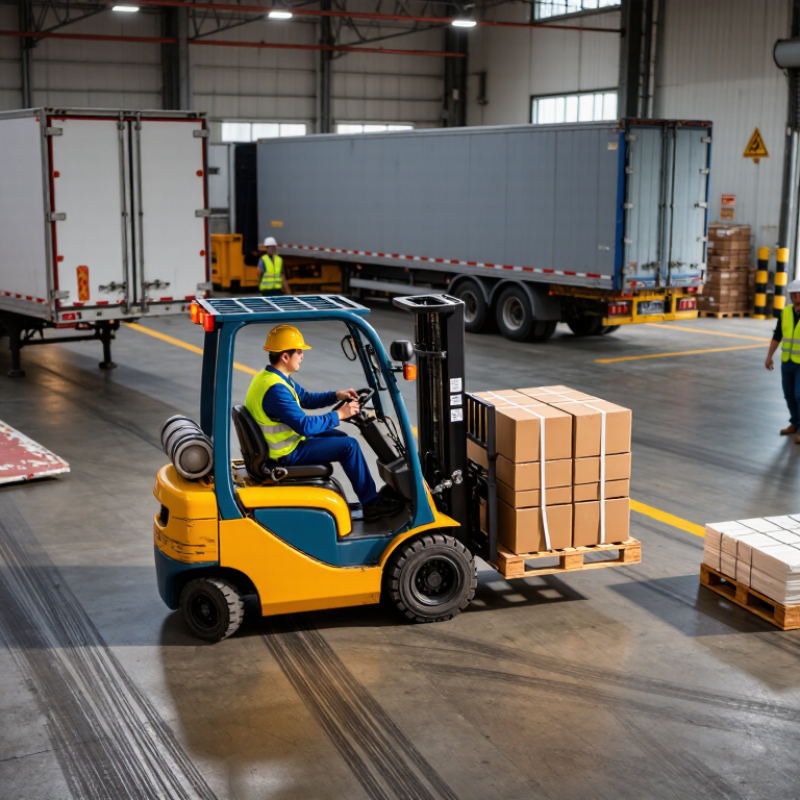
Top 10 Ways to Prevent Forklift Tip Overs in Busy Docks

Time:2026-10-01 Author:Madeline
0%

Busy docks turn small mistakes into serious instability. Pallets arrive unevenly, trailers shift, and pedestrians cross narrow lanes. A forklift can tip before an operator has time to react. This guide explains How to prevent forklift tip-overs in busy docks through practical controls, trained decisions, and disciplined equipment checks. It draws on established warehouse safety practices, manufacturer guidance, and lessons from daily dock operations. The focus is not speed alone. It is controlled movement around changing loads, ramps, edges, and traffic. Look closely at tire marks, damaged dock plates, and leaning pallets. These details often reveal risks before an incident occurs. Keep clear. Stay deliberate.

The ten methods cover load stability, travel speed, turning space, dock edges, trailer conditions, visibility, and operator communication. Each recommendation connects a common hazard with an action that supervisors can verify. For example, a pre-shift inspection should identify low tire pressure, faulty brakes, or a missing restraint before loading begins. Operators also need authority to stop work when conditions change. That point is easy to state and harder to maintain during peak dispatch hours. No checklist removes every risk. Poor judgment, rushed scheduling, and unclear ownership can still weaken a good system. Regular coaching, documented inspections, and honest near-miss reviews make prevention more reliable. Small corrections matter. Experienced dock leaders watch behavior, not only machines. They notice a driver leaning forward, a load blocking the mast, or a spotter standing too close.

Top 10 Ways to Prevent Forklift Tip Overs in Busy Docks

Understanding the Main Causes of Forklift Tip-Overs in Busy Docks

Forklift tip-overs in busy docks usually begin with unstable conditions, not a single dramatic mistake. A raised load shifts the center of gravity and reduces stability, especially during turns. Overloading makes this risk worse. The load may look secure, yet its weight can sit beyond the permitted load center. A small change matters.

Uneven dock plates, potholes, wet concrete, and loose shrink wrap can disturb a forklift’s balance. Turning too quickly near a dock edge creates dangerous sideways force. Sudden braking can also move a tall or poorly stacked load forward. Limited visibility encourages operators to reverse or steer without seeing pedestrians, trailer gaps, or floor damage. In a working dock, noise and time pressure add another layer of risk.

A reliable prevention plan starts with observing real work, not only reading procedures. Check tires, forks, warning devices, brakes, and steering before each shift. Confirm the load capacity plate and keep heavy items low and centered. Reduce speed at corners, ramps, and trailer entrances. Keep dock edges visibly marked and remove debris immediately. Operators need practical training with realistic loads and changing surfaces. Even experienced workers misjudge a tight turn. That assumption deserves review. Supervisors should record near misses, because a sideways tire mark or damaged pallet may reveal a weak control before a tip-over occurs. Stop the task when conditions change.

Top 10 Ways to Prevent Forklift Tip-Overs in Busy Docks

Understanding the Main Causes of Forklift Tip-Overs in Busy Docks

No. Main Tip-Over Cause Prevention Method Required Operating Practice Useful Dock Metric Reference Basis
1 Excessive speed
High speed reduces stopping distance and stability, especially when turning.
Set site-specific speed limits and require slower travel at turns, dock edges, ramps, intersections, and pedestrian crossings. Travel at a controlled speed, slow down before turning, and keep the load stable and low while moving. Speed observations; speeding reports; near-miss events at turns. OSHA 29 CFR 1910.178(n)(8)
2 Turning with an elevated load
A raised load raises the combined center of gravity and increases the risk of lateral instability.
Keep forks and loads as low as practical during travel and prohibit elevated-load travel except when required for the task. Lower the load before moving, keep the mast tilted back when appropriate, and turn gradually. Observed elevated-load travel; unsafe-turn findings. OSHA 29 CFR 1910.178(n)(6)
3 Overloading or unbalanced loads
Loads above capacity or with an off-center weight distribution can make the truck unstable.
Display capacity information, verify load weight, center the load, and use suitable attachments when necessary. Never exceed the rated capacity; position the load evenly and fully against the load backrest where applicable. Capacity violations; rejected or unstable loads; load-damage reports. OSHA 29 CFR 1910.178(a)(4), (e)(3)
4 Driving across dock edges or open trailers
Unsecured dockboards, trailer movement, or inadequate edge protection can cause a truck to fall or overturn.
Secure dockboards, inspect trailer floors, set brakes, chock wheels or use an effective restraint system, and confirm trailer stability. Do not enter a trailer until the dock connection and trailer controls have been verified. Pre-entry checks completed; unsecured-trailer findings; dockboard defects. OSHA 29 CFR 1910.178(m)(7), (n)(7)
5 Ramps, slopes, and uneven surfaces
Cross-sloping, potholes, debris, and abrupt transitions can shift the load or destabilize the truck.
Maintain smooth travel routes, repair surface defects, remove debris, and mark approved ramp paths. Travel with the load upgrade on slopes; keep the load pointed uphill as required by the operating situation. Surface defects awaiting repair; slope-related incidents; route inspection completion. OSHA 29 CFR 1910.178(n)(7)
6 Blocked visibility
A forward load that obstructs the operator's view can lead to sudden steering, collisions, or edge departures.
Require travel in reverse when the load blocks the forward view, or use a spotter when visibility remains restricted. Keep the travel path visible; sound the horn at blind intersections and maintain safe separation from people and equipment. Blind-corner observations; visibility-related near misses; spotter compliance. OSHA 29 CFR 1910.178(n)(6), (n)(4)
7 Pedestrian and vehicle congestion
Unexpected stops or evasive maneuvers in busy docks can cause lateral instability.
Separate pedestrian and forklift routes, use marked crossings, control traffic flow, and schedule high-risk movements. Yield at crossings, maintain a clear operating zone, and stop when pedestrians enter the travel path. Pedestrian-route violations; congestion observations; near misses. OSHA 29 CFR 1910.178(h)(2), (n)(4)
8 Improper loading or stacking
Unstable pallets, damaged packaging, and shifting materials can move the center of gravity.
Inspect pallets, stabilize loads, use appropriate wrapping or restraints, and reject damaged or unstable units. Keep the load centered and secure; avoid sudden braking, acceleration, or direction changes. Damaged-pallet rate; unstable-load rejections; load-shift incidents. OSHA 29 CFR 1910.178(o)(1)
9 Untrained or unauthorized operation
Operators who lack required knowledge or practical skill may misuse controls or misjudge stability.
Use trained and authorized operators only, with classroom instruction, practical training, evaluation, and refresher training when needed. Document operator authorization and evaluate performance after unsafe operation, incidents, or workplace changes. Current authorization rate; overdue evaluations; training-related findings. OSHA 29 CFR 1910.178(l)
10 Skipped inspections or defective equipment
Brake, tire, steering, mast, fork, or warning-device defects can reduce control and stability.
Complete pre-shift inspections, remove unsafe trucks from service, and repair defects before returning equipment to operation. Inspect at least daily, or after each shift when the truck is used around the clock, as required by site conditions. Inspection completion; out-of-service defects; overdue corrective actions. OSHA 29 CFR 1910.178(q)(7), (p)(1)

Note: Dock-specific speed limits, traffic controls, inspection frequencies, and training procedures should be established through a documented workplace hazard assessment and the applicable local regulations.

Inspecting Dock Conditions, Ramps, Floors, and Trailer Connections

Busy docks punish small assumptions. A forklift can tip after one uneven turn or a sudden wheel drop. Experienced supervisors inspect the route before traffic begins. Walk the dock edge and check for broken concrete, wet patches, loose plates, and missing curbs. Mark hazards clearly and remove standing water. A clean-looking floor may still hide weak sections.

Ramps deserve close attention. Confirm they are stable, dry, and suitable for the forklift and load. Approach slowly, keep the wheels straight, and avoid turning on the slope. Check floor joints, potholes, oil, and debris inside the dock and trailer. Small obstacles matter. Trailer connections need equal care. Verify the trailer is positioned correctly, brakes are applied, and wheel restraints are secure. Inspect the dock plate for full seating, visible damage, and enough capacity. Never assume the trailer will stay still.

I once trusted a familiar bay and skipped a detailed floor check. That shortcut was a mistake. A damaged trailer floor appeared only after the first load crossed it. Now, operators report defects before entry and stop when conditions change. The checklist is useful, but it is not perfect. Real-time judgment still matters. Supervisors should review repeated defects and adjust traffic routes, lighting, or maintenance schedules.

Stabilizing Loads and Maintaining Safe Forklift Weight Distribution

Top 10 Ways to Prevent Forklift Tip Overs in Busy Docks

Stabilizing Loads and Maintaining Safe Forklift Weight Distribution

A stable forklift starts with a stable load. Keep heavy items low, centered, and fully supported by both forks. Uneven pallets can shift the center of gravity before the truck moves. Check the load rating plate and consider the load center distance, not only total weight. A long crate may exceed safe limits even when it feels light.

Keep the mast tilted slightly back during travel, with forks only a few inches above the floor. Drive slowly across dock plates, ramps, and wet patches. Sharp turns can move the combined center of gravity beyond the stability triangle. Slow down.

Operators should inspect pallets, fork damage, tire condition, and overhead clearance before each shift. A damaged pallet deserves isolation, not optimism. In busy docks, pedestrians, trailers, and blind corners create sudden braking risks. Use clear routes, working alarms, and a spotter when visibility is restricted. Never add improvised counterweights or carry a load that blocks forward vision.

Supervisors can improve safety by reviewing near misses without blaming workers. These reviews often reveal rushed staging, unclear weight information, or poorly maintained surfaces. Training should include practical demonstrations with realistic pallet sizes and changing load centers. Even experienced operators misjudge a turn occasionally; that uncomfortable fact deserves attention, not silence. Recording those moments helps refine procedures before a small error becomes a tip-over.

Applying Safe Driving, Turning, Speed, and Load-Handling Practices

Busy docks demand calm, deliberate forklift driving. Keep both hands available, wear the required restraint, and check the route before moving. Travel with the forks low, centered, and slightly tilted back. Keep loads within the rated capacity. Never carry a load that blocks forward visibility; use a spotter or travel in reverse when conditions allow. Slow is controlled. Match speed to floor conditions, pedestrian traffic, lighting, and load size. Sudden braking can shift a tall or uneven load.

Turning requires extra discipline. Reduce speed before the turn, not during it. Keep the load uphill on ramps, and avoid sharp steering near dock edges. Maintain a safe distance from dock plates, trailer gaps, and wet surfaces. Sound the warning device at blind corners, but do not treat it as permission to rush. Watch the rear swing, especially beside stacked pallets and parked equipment. Never turn with raised forks. Lower the load before entering a congested area.

Practical dock observations show that most tip-over risks build through small choices. An operator may hurry after several uneventful trips. That assumption deserves challenge. Check tire condition, steering response, brakes, and warning lights before work begins. Report unstable pallets instead of trying to “make them work.” Pause when visibility, traction, or space feels uncertain. It may cost a minute. A damaged load or injured person costs far more. Supervisors should reinforce these habits through brief observations, coaching, and refreshed training, not only after an incident.

Training Operators and Reviewing Forklift Safety Procedures Regularly

Busy docks create pressure, noise, and changing traffic patterns. Forklift operators must receive practical training before handling loads independently. Classroom instruction matters, but supervised driving reveals habits that tests may miss. Watch for sharp turns, raised forks, uneven surfaces, and rushed reversing.

Training should include site-specific risks. Operators need to understand load limits, visibility restrictions, pedestrian routes, and dock-edge hazards. Use realistic exercises with empty pallets, narrow aisles, and staged distractions. Supervisors should document performance, not simply attendance. A signed form cannot prove safe judgment. It only proves participation.

Tips: Review forklift procedures every month. Ask operators what feels unsafe. Inspect turning areas after layout changes. Require refresher training after incidents, near misses, or extended absences. Keep speed expectations clear. Demonstrate stable load placement. Correct unsafe actions immediately, but explain why they create rollover risks.

Regular reviews should involve operators, maintenance staff, and dock supervisors. Their experience often exposes problems hidden in written procedures. Check whether warning signs remain visible and whether pedestrian controls still work during peak deliveries. A procedure may look complete and still fail under pressure. We once overlooked a blind corner because the route seemed familiar. That assumption needed correction. Encourage respectful reporting, including small mistakes and uncertain decisions. Honest feedback supports better training and more reliable forklift safety practices.

FAQS

What should be checked before a forklift enters a loading dock?

Inspect broken concrete, wet patches, loose plates, missing curbs, and standing water. Mark hazards clearly. A clean floor may still hide weak sections.

How can a ramp be crossed safely?

Confirm the ramp is stable, dry, and rated for the forklift and load. Approach slowly with straight wheels. Do not turn on the slope. Slow is controlled.

What must be verified before entering a trailer?

Confirm correct trailer positioning, applied brakes, and secure wheel restraints. Check the dock plate for full seating, visible damage, and adequate capacity. Never assume it will stay still.

How should a forklift load be positioned?

Keep heavy items low, centered, and fully supported by both forks. Check the load rating plate and load center distance. A long crate can exceed limits despite low weight.

What should operators do with damaged pallets?

Isolate damaged pallets instead of using them. Inspect pallet strength, fork condition, tires, and overhead clearance before each shift. Optimism is not a repair method.

How should operators drive around pedestrians and blind corners?

Use clear routes, working alarms, and a spotter when visibility is restricted. Sound the warning device at blind corners. Do not treat it as permission to rush.

What driving practices reduce tip-over risks?

Keep forks low, centered, and slightly tilted back. Match speed to floor conditions, traffic, lighting, and load size. Reduce speed before turning. Stop when unsure.

How should supervisors improve forklift safety over time?

Review near misses without blaming workers. Look for rushed staging, unclear weight information, poor lighting, and damaged surfaces. Adjust routes, maintenance schedules, and training. The checklist helps, but judgment still matters.

Conclusion

Preventing forklift tip-overs in busy docks requires a combination of hazard awareness, equipment checks, and disciplined operation. How to prevent forklift tip-overs in busy docks begins with identifying common risks, including uneven floors, damaged ramps, slippery surfaces, poorly positioned trailers, sharp turns, excessive speed, and unstable or overloaded materials. Before work starts, operators should inspect dock plates, trailer connections, floor conditions, ramps, and surrounding traffic areas. Loads must be centered, secured, and kept within the forklift’s rated capacity to maintain proper weight distribution and visibility.

Safe driving habits are equally important. Operators should travel at controlled speeds, slow down before turning, keep loads low, avoid sudden braking, and use extra caution near dock edges and ramps. Regular training should reinforce these procedures, while supervisors should review working conditions and safety practices routinely. Clear communication, designated travel routes, and consistent inspections help create a safer, more organized dock environment and significantly reduce the likelihood of forklift tip-overs.

Madeline

Madeline

Madeline is a dedicated marketing professional with a wealth of expertise in our company's core offerings. With a keen understanding of the industry, she brings a unique perspective to her role, consistently delivering high-quality content that highlights the superior aspects of our products. As......