How to Prepare Your Forklift for Winter Operations Safely

Time:2026-07-13 Author:Ethan
0%

As winter approaches, the importance of workplace safety becomes paramount. Operators must know how to prepare your forklift for winter operations effectively. Cold temperatures and harsh conditions can challenge even the best-maintained equipment. Faulty operations can lead to accidents, resulting in injuries or property damage.

Understanding how to prepare your forklift for winter operations is essential. It’s not just about ensuring that your machinery runs smoothly; it’s about creating a safe environment for all employees. Check battery health and tire condition. Winter can be unforgiving; even minor issues can escalate into major problems. Consider adding winter-grade fluids to your forklift.

Pay attention to the operators as well. Training them on winter-specific hazards can help to mitigate risks. For instance, slips and falls are more common in icy conditions. It’s vital to remember that even with proper preparation, unforeseen issues may arise. Regular inspections and maintenance are necessary. Reflecting on past winters can provide valuable lessons for the future.
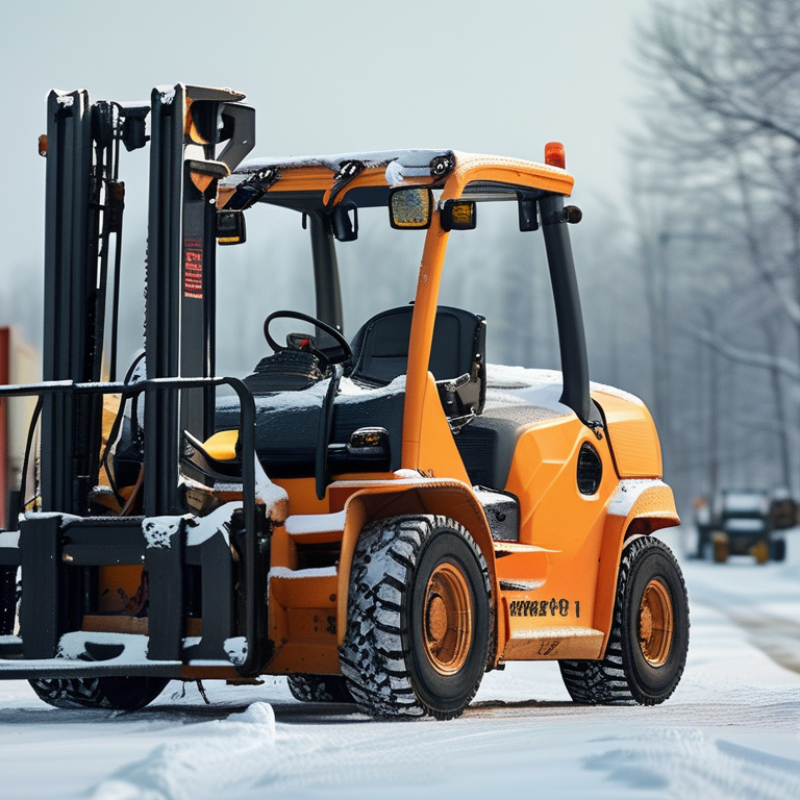
How to Prepare Your Forklift for Winter Operations Safely

Preparing Your Forklift for Safe Winter Operations: A Comprehensive Guide

Winter poses unique challenges for forklift operations. Cold temperatures can affect battery performance and hydraulic systems. Ensure your forklift is in prime condition before the first frost. A thorough inspection is essential. Check the battery for corrosion and proper charge levels. Cold weather reduces efficiency, which can lead to unexpected downtime.

Tire pressure is crucial during winter. Low temperatures can cause tire pressure to drop. Inspect the tires for tread wear and ensure they are filled to the manufacturer’s recommended pressure. Also, consider switching to winter-grade tires for better traction on icy surfaces. A simple slip can cause accidents, affecting both workers and equipment.

Hydraulic fluids may thicken in cold conditions. Use winter-grade fluids to avoid operational issues. Regularly monitor fluid levels and inspect for leaks. Remember to clean the forklift regularly during winter months. Ice and snow can accumulate on parts, creating hazards. Make it a habit to remove any buildup promptly.

How to Prepare Your Forklift for Winter Operations Safely

Task Description Frequency Notes
Inspect Battery Check for corrosion and ensure it's fully charged. Weekly Replace if needed.
Check Tires Inspect tread depth and condition for winter traction. Monthly Consider winter tires.
Fluid Levels Check hydraulic fluid and coolant levels. Weekly Top off if necessary.
Inspect Forks Ensure forks are straight and free of cracks. Before each use Replace damaged forks.
Clean & Protect Remove ice and snow; apply lubricant to moving parts. After each use Use winter-grade lubricant.
Training Ensure operators are trained for winter conditions. Annually Include safety procedures.

Understanding the Impact of Cold Weather on Forklift Performance

Cold weather significantly affects forklift performance. As temperatures drop, various components can fail. Batteries lose efficiency, while hydraulic fluids thicken. Operators might notice sluggish responses or decreased lifting capacities. This can lead to safety risks and operational delays, which are not ideal in any workplace.

Proper preparation is crucial. Regular maintenance checks are essential. Inspect batteries, tires, and engine fluids weekly. Ensure that your forklift's tires have adequate tread and are suited for winter conditions. Drivers should also be aware of how cold slippage can impact stability. Real-life examples show that neglecting these aspects can lead to accidents. Refining your forklift protocols can help avoid this.

Training is just as important. Operators must understand how cold affects the machinery. Encourage them to report any unusual behavior. Remind them to be cautious in icy conditions. Awareness can prevent accidents and improve overall safety. These minor adjustments can lead to improved performance, making it possible to navigate the winter months effectively.

Essential Pre-Winter Maintenance Checks for Forklifts

As winter approaches, preparing your forklift for cold weather operations is crucial. The winter months can be tough. Snow, ice, and frigid temperatures may affect performance and safety. To ensure your forklift operates efficiently, conducting essential pre-winter maintenance checks is vital.

Check the battery. Cold temperatures can reduce battery efficiency. Ensure terminals are clean and connections are secure. A poorly maintained battery may lead to unexpected downtime. Inspect the battery regularly.

Tires are another key area. Ensure that they have adequate tread. Worn tires can compromise grip on icy surfaces. Consider using winter-grade tires if operating in snowy conditions. It might be worth evaluating your current setup.

Fluids require special attention too. Check engine oil levels, antifreeze, and hydraulic fluid. Cold weather can thicken fluids, causing performance issues. Proper fluids ensure smooth operation. Monitor these levels frequently, especially as temperatures drop. Regular maintenance checks can save time and enhance safety.

Winterizing Forklift Fluids: Best Practices and Industry Standards

Winter brings specific challenges for forklift operations. Ensuring that forklift fluids are properly winterized is crucial for safe functioning. Industry reports indicate that up to 30% of operational downtime is due to fluid-related issues in cold weather.

Regular inspections of hydraulic fluids and engine oil are essential. These fluids must meet specific viscosity standards for low temperatures. For instance, multi-viscosity oils can perform adequately in varying temperatures. However, some operators use improper mixtures, leading to suboptimal performance and potential mechanical failures.

Another consideration is coolant levels and antifreeze recommendations. A well-prepared system typically contains 50% water and 50% antifreeze. An improper mix can cause freezing or overheating. A common mistake is not checking fluid levels before winter operations begin. Operators must adopt a proactive approach to avoid breakdowns and ensure efficiency.

Safety Protocols for Forklift Operators During Winter Conditions

Winter can bring unique challenges for forklift operators. Ensuring safety during these conditions is paramount. Slippery surfaces, reduced visibility, and cold-related issues can lead to accidents. Operators must stay vigilant and follow strict safety protocols.

To enhance safety, one must regularly check the forklift for winter readiness. Inspect tire tread and pressure. Ensure tires are suitable for winter conditions. Keep the windshield and mirrors clean for optimal visibility. Always check fluid levels, especially antifreeze. Cold temperatures can affect performance.

Operators should also dress appropriately. Wearing layers helps maintain body temperature while allowing for movement. Gloves can affect grip, so choose those designed for dexterity. Take breaks to avoid fatigue. Remember, fatigue can compromise focus.

Consider training sessions during winter preparation. Discuss best practices with your team. Share experiences about handling winter conditions. This can be a valuable learning opportunity. Reflect on past challenges and how to improve. Staying proactive is essential.

FAQS

: How does cold weather affect forklift performance?

: Cold weather can decrease battery efficiency and thicken hydraulic fluids, leading to sluggish responses.

What maintenance should be done before winter?

Regular maintenance checks are crucial. Weekly inspections of batteries, tires, and engine fluids can prevent issues.

Why is tire condition important in winter?

Tires need adequate tread for winter conditions. Poor tires can lead to slippage and instability while driving.

What should operators do regarding visibility?

Keep the windshield and mirrors clean to maintain visibility in winter. Reduced visibility can lead to accidents.

How can operators stay safe in icy conditions?

Operators should dress in layers and choose gloves that allow for dexterity. Proper attire helps maintain warmth and grip.

Why is operator training essential in winter?

Training helps operators understand cold effects on machinery. Awareness improves safety and prevents accidents.

What should be done if unusual behavior is noticed?

Operators must report any unusual machine behavior immediately. This can prevent bigger problems from developing.

How can fatigue affect forklift operation?

Fatigue can reduce focus and increase accident risk. Taking breaks regularly is important to maintain alertness.

What kind of training should take place during winter preparation?

Discuss best practices and share past challenges. Reflecting on experiences can enhance team readiness for winter conditions.

Are there specific protocols for checking fluids?

Regularly check fluid levels, especially antifreeze. Cold can significantly impact performance if fluids are not appropriate.

Conclusion

In the article "How to Prepare Your Forklift for Winter Operations Safely," we delve into the essential steps for ensuring safe and efficient forklift performance during colder months. Understanding the impact of cold weather on forklift functionality is crucial, as temperatures can affect battery life, fluid viscosity, and overall machine responsiveness.

The guide emphasizes the importance of conducting essential pre-winter maintenance checks, such as inspecting tires, lights, and connections, to enhance safety and operational efficiency. Additionally, winterizing forklift fluids is a key aspect, with best practices outlined to ensure optimal performance. Finally, we highlight important safety protocols for operators, ensuring that they are well-prepared to handle winter conditions effectively. This comprehensive preparation is vital for any warehouse or operations relying on forklifts during winter months.

Ethan

Ethan

Ethan is a seasoned marketing professional with a deep expertise in our company's innovative product line. With a passion for sharing knowledge and insights, he takes the lead in regularly updating our corporate blog, where he explores industry trends, product features, and effective marketing......