When considering industrial operations, an essential question arises: "What is the lifespan of a heavy duty industrial forklift?" According to various industry studies, the average lifespan of such forklifts is around 10,000 to 20,000 hours, depending on usage and maintenance. Factors like operating conditions, load capacity, and service frequency can significantly influence this lifespan.
To maximize longevity, proper maintenance is paramount. Regular inspections and adherence to manufacturer guidelines can boost performance and extend the operational life of heavy duty forklifts. However, inconsistencies in maintenance practices often lead to premature equipment failure. A study by the Forklift Truck Association emphasizes that 30% of forklifts fail to meet maintenance schedules.
Investing in quality machinery from reputable manufacturers also plays a crucial role in lifespan. The choice of forklift type—electric, diesel, or propane—can affect durability and efficiency. Understanding these dynamics equips buyers with the knowledge to make informed decisions. While the industry offers guidelines, every warehouse presents unique challenges that require tailored approaches for optimal forklift management.
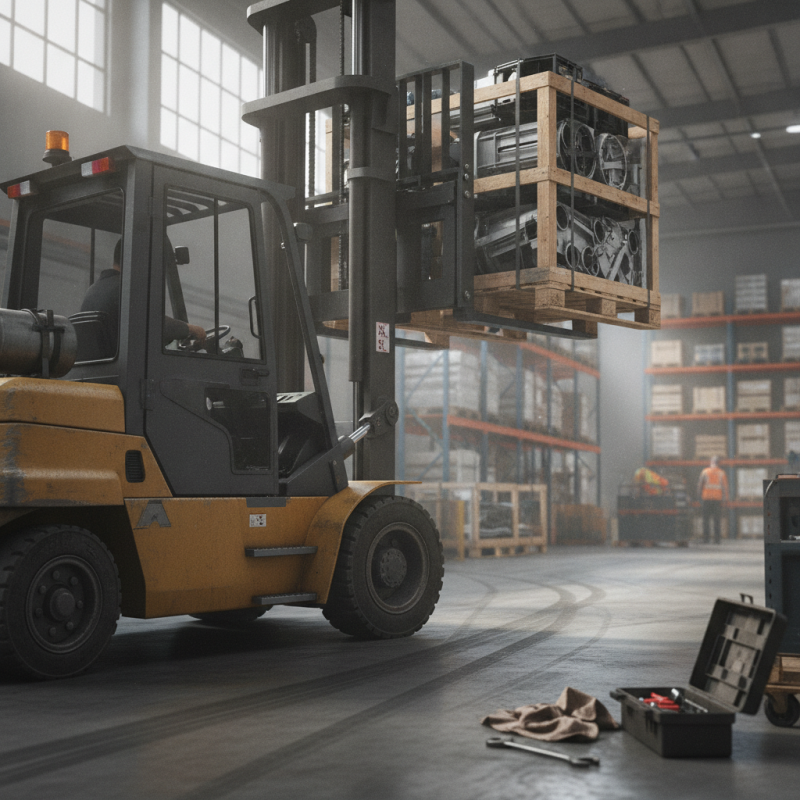
Understanding the Lifespan of Heavy Duty Industrial Forklifts
Understanding the lifespan of heavy-duty industrial forklifts is crucial for buyers. Typically, these forklifts can last anywhere from 10,000 to 15,000 hours of operational use. This varies based on maintenance, usage, and environmental factors. According to industry reports, neglecting regular maintenance can significantly reduce this lifespan. Buyers must be proactive in their upkeep to maximize the investment.
Daily inspections play a vital role in extending the forklift's life. Checking fluid levels, tire conditions, and brakes can prevent small issues from becoming costly repairs. A study by the American Industrial Truck Association indicates that routine maintenance can extend a forklift’s lifespan by up to 25%. However, many businesses overlook this essential step.
The environment where the forklift operates also impacts its longevity. Harsh conditions can cause excessive wear. Forklifts used outdoors are often subjected to dirt, moisture, and temperature extremes. These factors can shorten their lifespan if proper care is not taken. Reflecting on these aspects can help buyers make informed decisions when selecting and maintaining their industrial forklifts.
Key Factors Influencing Forklift Longevity
When purchasing a heavy-duty industrial forklift, understanding the factors influencing its lifespan is crucial. A report from the Industrial Truck Association highlights that proper maintenance can extend a forklift's life by up to 50%. This emphasizes the importance of routine checks. Notably, the environment plays a significant role. Forklifts used in harsh conditions, like extreme temperatures or moisture, may have shorter operational lives.
Operational habits also significantly affect longevity. According to a study by the Material Handling Industry, aggressive driving behaviors can reduce a forklift's lifespan by up to 20%. Operators should be trained to handle equipment gently and avoid overloading. Fuel type is another consideration. Forklifts powered by electricity often outlast their fuel-driven counterparts. Electric models typically last 5000 hours or more with proper care.
Maintenance practices must adapt to usage patterns. Regular inspections, tire checks, and battery maintenance can prevent premature failures. However, many companies overlook these essentials. Investing in reliable training for operators can uncover hidden issues before they become costly repairs. A proactive approach leads to better performance and ensures a longer service life.
Maintenance Practices for Extending Forklift Life
Maintaining heavy-duty industrial forklifts is crucial for longevity. Regular maintenance practices can significantly impact a forklift's lifespan. One key area is fluid management. Operators should check hydraulic fluids, engine oils, and coolant levels weekly. A small leak can escalate into a major problem if not addressed.
Tires and brakes also require careful attention. Inspecting tires for wear and tear helps avoid accidents and enhances fuel efficiency. Many overlook brake adjustments, but they are essential for safe operations. A poorly functioning brake system can lead to costly repairs and safety hazards.
Additionally, training operators in proper usage is fundamental. Many machines suffer damage from incorrect handling. Encouraging operators to report issues promptly can prevent further deterioration. Establishing a routine preventive maintenance schedule can promote reliability. Even minor issues deserve immediate action. Ignoring them can compromise the entire system.
Heavy Duty Industrial Forklift Lifespan Tips for Buyers
| Maintenance Practice |
Frequency |
Expected Effect on Lifespan |
Recommended Tools |
| Regular Oil Changes |
Every 250 hours of operation |
Increases engine lifespan by 20% |
Oil filter wrench, oil catch pan |
| Battery Maintenance |
Weekly |
Extends battery life by 30% |
Hydrometer, multimeter |
| Tire Inspection |
Monthly |
Improves traction and safety |
Tire pressure gauge, tread depth gauge |
| Hydraulic System Check |
Every 500 hours |
Prevents system failure |
Fluid tester, wrenches |
| Filter Replacement |
Every 1000 hours |
Enhances performance and efficiency |
Replacement filters, screwdriver |
| General Inspection |
Daily |
Identifies issues before they escalate |
Inspection checklist |
Signs of Wear and Tear: When to Replace Components
Signs of wear and tear in heavy-duty industrial forklifts are critical for maintaining operational efficiency. Many operators overlook the importance of regular inspections. However, it is crucial to monitor key components closely. According to industry reports, more than 30% of forklift downtime is due to component failure. Recognizing these signs early can save a company significant costs in repairs and lost productivity.
Check the tires regularly. Worn tires can compromise safety and lead to longer stopping distances. A tire with less than 1 inch of tread should be replaced immediately. Inspect the forks for cracks or bending, as these issues can directly impact load capacity. Industry standards suggest replacing forks every 10 years or sooner, depending on usage. Additionally, hydraulic systems should be checked for leaks. Even minor leaks can lead to decreased lifting power and efficiency.
Electrical components are often neglected. Frayed wires or malfunctioning lights can create safety hazards. Over time, batteries may also deteriorate and lose charge. A battery typically lasts 5 to 7 years, but monitoring its performance is essential. Ensure that terminals are clean and connections tight. Awareness of these signs fosters a proactive maintenance routine. A forklift’s lifespan can be significantly extended with proper attention.
Choosing the Right Forklift for Your Industrial Needs
Choosing the right forklift for your industrial needs is essential. A well-chosen forklift can enhance productivity and safety. Begin by assessing the nature of your operations. Do you move heavy loads on uneven terrain? Or are your operations primarily indoors, on smooth surfaces? Each condition requires a different type of forklift.
Tips: Consider the weight capacity of the forklift. Overloading can shorten its lifespan. Regular maintenance is also crucial. Inspect tire conditions and fluid levels frequently. Neglecting these can lead to unexpected failures.
Another critical factor is the forklift's size. Compact models operate well in tight spaces, while larger ones suit open areas. Comfort and visibility for operators matter too. A well-designed cabin helps reduce fatigue and increase efficiency. Always think about your team’s safety as well. A mismatch between your forklift and your tasks could lead to costly accidents. Keep these details in mind when making your decision.
Conclusion
Understanding the lifespan of heavy duty industrial forklifts is crucial for buyers looking to make informed purchasing decisions. What is the lifespan of a heavy duty industrial forklift typically? Several key factors influence their longevity, including frequency of use, operating conditions, and overall maintenance practices. Regular maintenance can significantly extend the life of a forklift, making it essential for owners to adhere to service schedules and perform routine inspections.
Additionally, recognizing signs of wear and tear is vital for determining when components need replacement, which can help prevent costly downtime. Lastly, choosing the right forklift for specific industrial needs ensures that the equipment can withstand operational demands, further enhancing its lifespan. By following these tips, buyers can invest in forklifts that not only meet their needs but also provide longevity and reliability in their operations.

 AJ Forklifts