When it comes to maintaining heavy-duty forklifts, a key question arises: How often should a heavy duty forklift be serviced? Regular servicing is crucial for ensuring the reliability and safety of these powerful machines. According to industry reports, forklifts that undergo regular maintenance can experience up to 20% fewer breakdowns. In addition, scheduled inspections can extend the lifespan of the equipment significantly.
Service intervals can vary based on usage intensity and manufacturer recommendations. Many experts suggest that servicing should occur every 500 hours of operation or at least once every six months. However, for forklifts in heavy use, monthly inspections could be necessary. Unfortunately, some operators underestimate these needs, leading to unexpected downtime and costly repairs.
Ultimately, neglecting regular servicing can compromise both performance and safety. Forklifts are not only investments but also essential tools in various industries. Therefore, understanding the importance of timely maintenance is critical for operators aiming to maximize their investment. Regular checks ensure they operate efficiently, saving money in the long term.
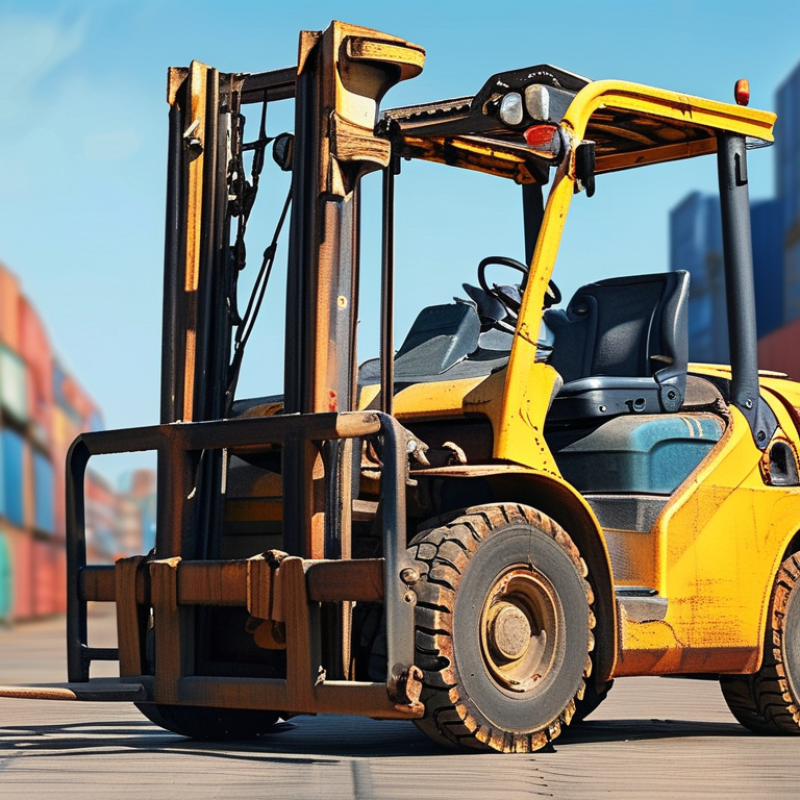
Factors Influencing Forklift Service Frequency
When considering how often to service a heavy-duty forklift, several key factors come into play. The type of operations the forklift is involved in greatly affects its service frequency. For instance, forklifts operating in harsh environments, such as outdoors or in extreme temperatures, are subject to greater wear and tear. In these scenarios, inspections should be more frequent to catch potential issues early.
Another important aspect is the intensity of usage. Forklifts that are used for long hours every day may require more regular maintenance. A machine that operates on a three-shift basis will undoubtedly face more stress than one that works part-time. It's essential to monitor operational hours closely. Regular check-ups can prevent unexpected breakdowns and extend the vehicle's lifespan.
Operator conduct also impacts service needs. Skilled operators may minimize damage, but lack of training could lead to neglect or improper use. Maintenance logs and documented service records should reflect any inconsistent practices. Understanding these varied influences can help inform a more tailored maintenance schedule, ensuring higher reliability and performance of the forklift.
Common Maintenance Practices for Heavy Duty Forklifts
Regular maintenance is crucial for heavy-duty forklifts, ensuring safety and efficiency. Routine inspections should be conducted at least once a month. Check the hydraulic fluids and tire pressure. Inspect the brakes and lift chains. These components wear down quickly and can lead to costly repairs.
Daily maintenance tasks are equally important. Operators should check fuel levels and battery status. Cleaning the forklift keeps it in good shape. Remove any debris from the forks and wheels. This practice not only extends the lifespan of the machine but also enhances operational performance.
Being proactive in maintenance can save transport companies time and money. However, many overlook these simple tasks. Neglecting basic checks might lead to unexpected breakdowns. It’s essential to foster a culture of responsibility among operators and maintenance staff. Consistent attention to these common practices can significantly prevent future issues.
Recommended Service Intervals Based on Usage
Heavy-duty forklifts are crucial for demanding industrial environments. The frequency of servicing these machines largely depends on their usage patterns. For forklifts used continuously in a high-capacity warehouse, a quarterly service is advisable. Routine checks help prevent major issues down the line. If your forklift operates less frequently, semi-annual servicing might suffice. However, this can lead to oversight of smaller problems.
Monitoring specific indicators is essential for effective maintenance. For example, check the oil levels regularly. Fluid changes should align with usage—more use means more frequent oil changes. Tire wear is another significant factor. Often, operators overlook tires until it becomes a safety issue. Maintaining proper tire pressure affects performance and safety.
Investing in routine services can reveal hidden problems. Often, operators might feel comfortable pushing their equipment to limits. This is risky and may lead to higher repair costs. Regular check-ups can enhance the forklift's lifespan. They ensure safety for the operators and surroundings. Being diligent with maintenance is not just about following schedules; it's about understanding the equipment's needs.
Signs That Your Forklift Needs Immediate Servicing
Regular maintenance of heavy-duty forklifts is crucial for safety and efficiency. There's no room for neglect. Spotting signs of wear can prevent serious accidents. Listen for unusual noises; these could indicate mechanical issues. Check for leaks, especially under the engine and hydraulic components. Delays in addressing these can lead to costly repairs and unsafe working conditions.
Tires are often overlooked, yet they're vital to your forklift's performance. Inspect them frequently for wear. If you notice bald spots or bulges, it’s time for a replacement. A flat tire can compromise stability during operation. Keep the forks and lifting mechanisms clean. Dirt build-up can affect performance. Regularly check for proper alignment and wear on forks.
For effective maintenance, establish a routine inspection schedule. Make it part of your operating procedures. Engage your operators in the process. Train them to identify early signs of wear. Encourage open communication regarding any suspicious sounds or changes in handling. An engaged workforce brings many benefits.
Heavy Duty Forklift Service Frequency
This bar chart illustrates the recommended service frequency for heavy duty forklifts. Regular maintenance is crucial for optimal performance and safety. Depending on the usage and specific conditions, servicing may vary from monthly checks to annual overhauls.
Consequences of Neglecting Regular Forklift Maintenance
Neglecting regular maintenance for heavy duty forklifts can lead to serious consequences. Without routine checks, minor issues can escalate into major failures. This often results in unexpected downtime, which can disrupt operations and affect productivity. A single malfunction might lead to a halt in warehouse activities, costing businesses time and money.
Moreover, the safety of operators is at risk. Forklifts in poor condition can become hazardous, increasing the likelihood of accidents. Worn-out brakes or malfunctioning steering can lead to injuries. Operators might face risks that could have been easily avoided with proper inspections. Regular maintenance is not just about keeping machinery running; it is about ensuring a safe working environment.
In some cases, neglect may also void warranties. Heavy duty forklifts often come with service agreements. Organizations might assume they are covered, only to find out otherwise when repairs are needed. This financial burden can be substantial. Regularly servicing forklifts is an investment in safety, efficiency, and long-term savings. It reflects a commitment to operational excellence that requires consistent attention.
How Often Should You Service a Heavy Duty Forklift? - Consequences of Neglecting Regular Forklift Maintenance
| Maintenance Type |
Recommended Frequency |
Consequences of Neglect |
| Oil Change |
Every 250 hours |
Increased engine wear, reduced performance |
| Battery Check |
Monthly |
Risk of battery failure, reduced lift capability |
| Brake Inspection |
Every 500 hours |
Increased stopping distance, potential accidents |
| Tire Pressure Check |
Weekly |
Uneven wear, decreased safety, poor handling |
| Hydraulic Fluid Level |
Every 250 hours |
Reduced lifting power, potential fluid leaks |
Conclusion
Regular maintenance of heavy duty forklifts is crucial for their performance and longevity. Factors influencing how often should a heavy duty forklift be serviced include the intensity of usage, operating conditions, and the age of the equipment. Generally, common maintenance practices involve routine checks of the hydraulic systems, brakes, tires, and electrical systems, which are essential for ensuring safe operation.
Recommended service intervals vary based on usage; for instance, forklifts operating in demanding environments may require more frequent servicing than those used lightly. Signs that your forklift needs immediate servicing include unusual noises, decreased performance, and warning indicators. Neglecting regular maintenance can lead to expensive repairs, safety hazards, and decreased operational efficiency, making it essential to adhere to a proper service schedule for heavy duty forklifts. Ultimately, understanding how often should a heavy duty forklift be serviced is key to maintaining a safe and productive work environment.

 AJ Forklifts