7 Tips on How Long Heavy Duty Forklifts Last

Time:2026-11-03 Author:Amelia
0%

A heavy-duty forklift rarely retires on its birthday. Its hour meter, workload, maintenance history, and operating environment tell a more useful story. So, What is the lifespan of a heavy duty industrial forklift? There is no single figure that fits every fleet. Manufacturers and service providers commonly assess life in operating hours, with roughly 10,000–20,000 hours often used as a broad planning range—not a guarantee. Verify the range against the truck’s manual and service records.

The U.S. Occupational Safety and Health Administration’s powered-industrial-truck requirements emphasize inspection and safe maintenance, not a fixed retirement age. That distinction matters. A forklift lifting dense loads across a dusty yard faces different wear from one moving lighter pallets on smooth indoor floors. A cracked seat, noisy mast, or rising repair bill can reveal trouble before the calendar does.

For a dependable estimate, compare hour-meter readings, maintenance invoices, battery or engine condition, and the cost of recurring repairs. Industry reports can inform fleet trends, but they do not replace model-specific inspection. An expert quotation should be checked against its original source; without one supplied, attributing a lifespan claim to a named specialist would be misleading. One overlooked detail can change the estimate. A well-maintained truck may keep working, while an abused one may become uneconomical much earlier.
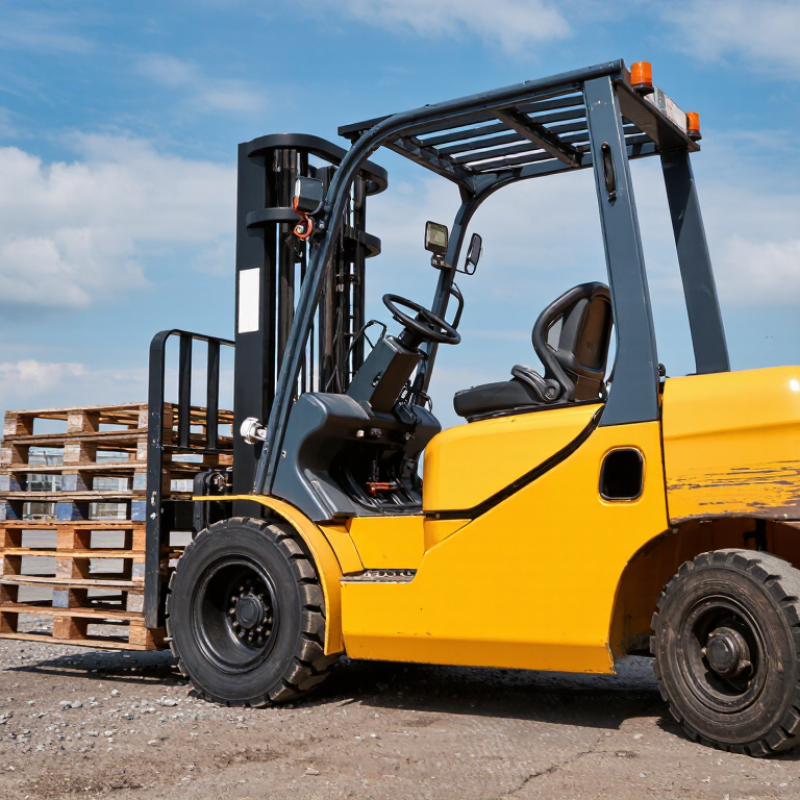
7 Tips on How Long Heavy Duty Forklifts Last

Typical Service Life of Heavy-Duty Forklifts

A heavy-duty forklift commonly lasts about 10,000 to 20,000 operating hours, or roughly 8 to 12 years. That is a working estimate, not a promise. A truck running two shifts in a dusty yard may wear faster than one used occasionally on clean, level floors. Count hours, not just calendar years. A machine can look relatively new and still have a tired transmission.

Service life depends on load weight, terrain, operator habits, and maintenance. Repeatedly lifting near capacity strains the mast, hydraulics, and tires. Uneven ground adds vibration and stress. Small habits matter: smooth starts, careful turns, and letting the engine warm up can reduce unnecessary wear. Keep service records, and check for hydraulic leaks, cracked hoses, loose chains, and uneven tire wear. It helps to note when repairs begin clustering. That estimate is imperfect.

Past 10,000 hours, a forklift may still be dependable if key components remain sound and maintenance has been consistent. But frequent breakdowns, rising repair bills, or hard-to-find parts can make continued use less practical. Inspect the forks for cracks or excessive wear, and watch for slow lifting or unusual noises. A single repair bill does not tell the whole story; repeated downtime does. That is easy to overlook.

Key Factors That Affect Forklift Longevity

Heavy-duty forklift longevity depends on workload, maintenance, operating conditions, and operator habits. Hour meters matter, but so do load cycles: repeated lifts near rated capacity strain the mast, hydraulics, tires, and drivetrain. Dust can clog filters, while cold storage and outdoor temperature swings stress batteries and seals. Small leaks count. A truck working one shift on clean concrete may age more slowly than one handling heavy loads across rough, wet yards.

Tips: Track hours and major repairs. Follow the service schedule. Inspect tires, forks, chains, and hoses each shift. Keep cooling areas clear. Match the truck to the load and surface. Train operators to avoid harsh braking and impacts. Record recurring faults; a repair log reveals patterns that memory misses. One weak point: busy teams may rush inspections, so make checks quick and documented.

Maintenance also protects people. OSHA’s Powered Industrial Trucks guidance cites estimates of about 85 forklift-related deaths and 34,900 serious injuries annually in the United States. OSHA standard 1910.178(q)(7) requires trucks to be examined before service, at least daily or after each shift. These figures concern safety, not equipment lifespan, but they show why inspection routines matter. A cracked tire or loose chain is not merely a repair cost. It can signal wear that deserves prompt attention.

How Long Do Heavy-Duty Forklifts Last?

A general planning benchmark is about 10,000–15,000 operating hours. The chart translates that range into years at different annual usage levels; actual service life depends on maintenance, load severity, operating conditions, and operator practices.

How Operating Conditions Influence Wear

A heavy-duty forklift does not wear out at one steady rate. Hours matter, but the work behind each hour matters more. Repeatedly lifting near rated capacity puts extra strain on the mast, forks, tires, and hydraulic system. Frequent short trips can also mean more starts, stops, and steering corrections. Those small demands add up.

Dust gets everywhere. On gravel yards or demolition sites, grit can work into moving parts and clog filters. Uneven floors increase jolts through the tires and frame, while steep ramps demand more from the brakes and drivetrain. Heat can affect fluids and cooling; cold starts may increase engine wear before components reach working temperature. A clean warehouse is easier on equipment, but tight aisles can still cause tire scuffing and minor impacts.

Operator habits shape wear, too. Smooth acceleration, careful turns, and lowering loads gently reduce unnecessary stress. A forklift used outdoors in long shifts may need more frequent checks than one used briefly on a level floor. Follow the service schedule, and record leaks, unusual noise, tire damage, or slower lifting. A neat log is useful, but it cannot catch everything; rushed inspections sometimes miss small changes. Pay attention to them.

Maintenance Practices That Extend Equipment Life

A heavy-duty forklift often ages through neglected small faults, not one dramatic failure. Walkaround inspections catch them early. OSHA’s powered-industrial-truck standard requires checks at least daily, or after each shift for around-the-clock operations (29 CFR 1910.178(q)(7)). Check forks for cracks, tires for chunks or uneven wear, and hoses for fresh leaks. Look beneath the truck, too. A new fluid spot deserves attention.

Clean radiator screens and cooling areas before dust and chaff restrict airflow. Keep battery terminals clean and follow the battery maker’s charging and watering instructions; chronic undercharging can shorten battery life. Check engine oil, hydraulic fluid, coolant, and filters against the service schedule, not just when warning lights appear. Small details matter. Grease pivot points on schedule, and investigate unusual heat, vibration, or slow lifting before a minor defect spreads. Record hours, repairs, and repeat faults in a maintenance log. OSHA’s inspection cadence is a useful baseline, not a substitute for the truck’s service manual or qualified technician. In practice, skipped checks still happen on busy shifts; that is exactly when a quick inspection can prevent avoidable wear.

Signs a Forklift May Need Major Repairs or Replacement

A forklift rarely fails all at once. Watch for hydraulic fluid beneath the chassis, a mast that jerks while lifting, or a load that slowly sinks after the controls stop. Cracked welds, bent forks, unusual chain noise, and inconsistent braking also deserve prompt inspection. Small symptoms can become costly downtime.

OSHA’s powered industrial truck materials cite estimates of about 85 forklift-related deaths and 34,900 serious injuries each year. These broad estimates are not a forecast for any individual workplace. Still, they underline why recurring defects should not be dismissed as normal wear. Under OSHA standard 29 CFR 1910.178(q)(7), unsafe trucks must be removed from service until restored to safe operating condition. That is a firm threshold.

Look for patterns in maintenance records. Frequent leaks, repeated electrical faults, declining battery run time, or recurring steering repairs may point to deeper wear. A qualified technician can assess the mast, hydraulics, brakes, frame, and power system. Then compare repair costs and expected downtime with replacement costs and parts availability. Age alone is a poor verdict. And a machine that still starts may not be dependable. Sometimes the honest answer is that another repair only buys a little time.

FAQS

How long does a heavy-duty forklift typically last?

Many operate for 10,000 to 20,000 hours, or about 8 to 12 years. It is only an estimate.

Do operating hours matter more than the forklift’s age?

Often, yes. A newer truck with many dusty-yard shifts may have more wear than an older, lightly used one.

What conditions can shorten forklift service life?

Heavy loads, rough ground, dust, and temperature swings add strain. Repeated near-capacity lifts can wear the mast and hydraulics.

Which daily habits help reduce wear?

Use smooth starts, careful turns, and gentle braking. Match the truck to the load and surface. Small choices add up.

What should operators inspect regularly?

Check tires, forks, chains, and hoses. Look for cracks, leaks, loose chains, or uneven tire wear. Keep checks brief, but record them.

Can a forklift remain dependable after 10,000 hours?

Yes, if key parts are sound and maintenance has been consistent. Still, hours alone cannot tell the whole story.

What signs suggest repairs are becoming less practical?

Frequent breakdowns, rising bills, slow lifting, and unusual noises deserve attention. One repair is not the pattern; repeated downtime may be.

How can maintenance records help?

Note hours, repairs, and recurring faults. A log can reveal patterns that memory misses, though busy teams may still overlook details.

Conclusion

What is the lifespan of a heavy duty industrial forklift? The answer depends on how often it is used, the loads it carries, its operating environment, and the quality of its care. With consistent maintenance and suitable operating practices, a heavy-duty forklift can provide reliable service for many years, though intensive use, rough surfaces, dust, moisture, and frequent overloading may accelerate wear. Its service life is therefore better understood as a range than a fixed number.

Regular inspections, timely repairs, proper operator training, and following recommended service intervals can help extend equipment life and reduce unexpected downtime. Pay attention to warning signs such as recurring breakdowns, declining performance, unusual noises, excessive fluid leaks, or repairs that are becoming more frequent and costly. When these issues arise, a professional assessment can help determine whether major repairs are worthwhile or replacement is the more practical option.

Amelia

Amelia

Amelia is a seasoned marketing professional with a wealth of expertise in our company’s core offerings. With an unwavering passion for driving growth and innovation, she plays a pivotal role in shaping our marketing strategies and enhancing brand visibility. A key aspect of her responsibilities......