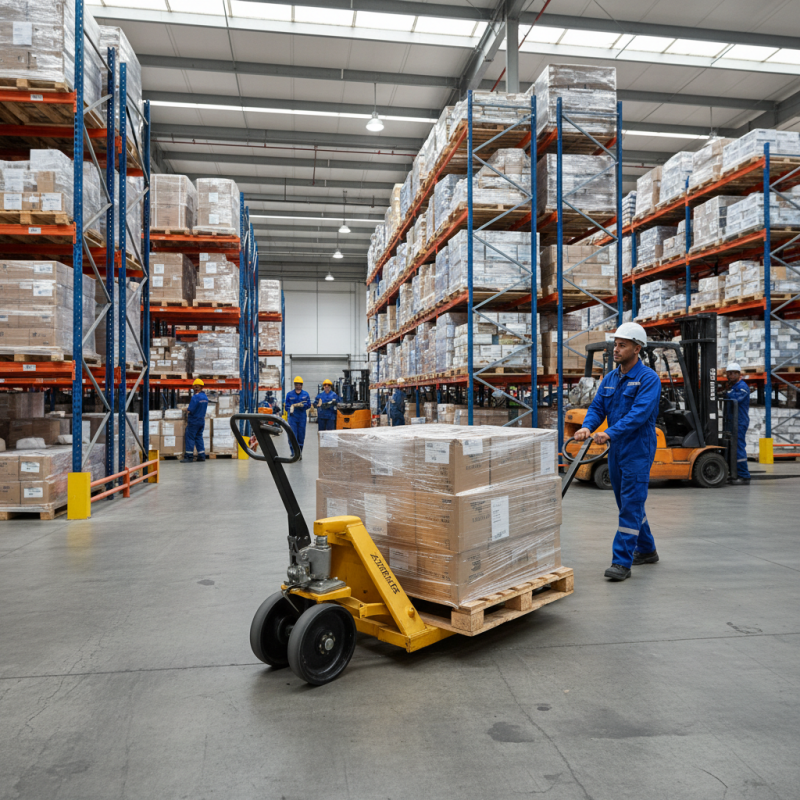
In the bustling environment of warehouse operations, efficiency is key. A Heavy Duty Pallet Jack plays a vital role in this realm. Designed to handle substantial loads, it enhances productivity significantly. However, proper usage and maintenance are essential for optimal performance.
Many workers underestimate the importance of training. Improper handling can lead to accidents or equipment damage. Familiarizing staff with the Heavy Duty Pallet Jack ensures safety and maximizes output. Understanding load capacities and maneuverability makes a notable difference in daily operations.
Regular inspections are crucial yet often overlooked. Ensuring that the pallet jack functions without mechanical failures can prevent costly downtime. Investing in quality tools pays off in the long term. Simple tips and mindful practices can transform warehouse operations into a well-oiled machine.
Understanding the Basics of Heavy Duty Pallet Jacks in Warehousing
Heavy duty pallet jacks are essential for efficient warehouse operations. They help move heavy loads quickly and safely. Understanding their components is key. A robust frame, durable wheels, and an ergonomic handle all contribute to their effectiveness. Using the right pallet jack can reduce physical strain on workers.
Proper training is critical when operating these machines. Workers must learn how to maneuver safely and effectively. Familiarity with weight limits is vital. Overloading a pallet jack can cause accidents. Regular maintenance checks are necessary to ensure functionality. Worn wheels or damaged frames can lead to operational hiccups.
Efficiency can be hindered by improper use. Inexperienced operators may struggle with turning or navigating tight spaces. This can slow down fulfillment processes. Reflecting on these challenges can lead to better practices. Establishing clear protocols for equipment use enhances safety and efficiency. Investing time in training pays off in the long run.
Key Features to Look for in Heavy Duty Pallet Jacks
When selecting a heavy-duty pallet jack, several key features are crucial for efficient warehouse operations. These jacks are designed to handle larger loads, so durability is paramount. Look for high-quality steel construction that can withstand the rigors of daily use. A robust frame can significantly extend the lifespan of the equipment.
Ergonomics plays a vital role too. The handle design should allow for easy maneuvering with minimal strain. Consider jacks with comfortable grips and adjustable height options. This design helps reduce fatigue during long periods of operation. Also, ensure that the wheels provide smooth operation on various surfaces. Remember, the type of wheels—polyurethane, rubber, or nylon—affects performance drastically.
Additionally, pay attention to weight capacity. Choose a model that exceeds your usual load requirements. This precaution provides a safety buffer during peak operations. Another aspect often overlooked is maintenance. Regular checks can prevent breakdowns and improve reliability. Heavy-duty pallet jacks can be an investment, so reflecting on these qualities ensures smarter purchase decisions. Making the right choice can streamline your workflow and increase overall productivity.
Key Features of Heavy Duty Pallet Jacks
Safety Protocols for Using Heavy Duty Pallet Jacks Effectively
When operating heavy duty pallet jacks, safety is paramount. According to the Occupational Safety and Health Administration (OSHA), nearly 100,000 workers are injured each year due to improper handling of materials. Training and adherence to safety protocols can significantly reduce these incidents. Workers should receive training on the correct use of pallet jacks, including weight limits and maneuvering techniques. It's essential to understand the load capacity of each jack. Overloading can lead to tipping and accidents.
In addition to training, implementing daily inspections is critical. Reports suggest that a mere 10% of operators perform pre-use checks. Operators should inspect the wheels, forks, and hydraulics before each shift. Any signs of wear or damage must be addressed immediately. Furthermore, proper posture during lifting can prevent strain injuries. Many workers neglect body mechanics, which can lead to long-term health issues. A simple adjustment can enhance both safety and efficiency during operations.
Engaging with nearby workers while operating can enhance safety further. Communication minimizes the risk of collisions in tight spaces. A recent study noted that accidents were reduced by 30% when teams used walkie-talkies to coordinate movements. Remember to be aware of your surroundings and prioritize safety above all. Continuous improvement in safety practices can lead to more efficient warehouse operations and a healthier workforce.
Best Practices for Maneuvering Heavy Duty Pallet Jacks in Tight Spaces
Navigating tight spaces in a warehouse can be challenging, especially when using heavy-duty pallet jacks. Proper maneuvering is essential for safety and efficiency. According to industry research, about 25% of workplace injuries are caused by improper handling and maneuvering of materials. This statistic highlights the importance of training and knowledge in operating pallet jacks effectively.
When maneuvering in confined areas, it is crucial to maintain a steady speed. Quick movements can lead to accidents. Keep the load low to the ground; this provides better visibility and stability. Adjusting the jack's angle can also help in tight spots. A study by the Occupational Safety and Health Administration shows that maintaining control significantly reduces the risk of accidents.
Regular maintenance of the equipment is another essential tip. Worn wheels or hydraulic issues can hinder performance and safety. Inspect all aspects periodically to ensure optimal functioning. Most accidents occur due to negligence, and addressing maintenance can minimize risks. Lastly, always remain aware of surroundings. Consider potential obstructions when moving your load.
Maintenance Tips to Enhance the Lifespan of Pallet Jacks
Proper maintenance of pallet jacks is crucial for extending their lifespan and ensuring efficient warehouse operations. Regular checks on hydraulic oil levels can prevent performance issues. It's wise to replace low oil and look for leaks. Keeping the wheels clean and free from debris enhances maneuverability. Small particles can cause damage, leading to costly repairs later. A solid cleaning routine should be enforced.
Operators should also be trained to identify potential problems early. Inspecting the forks regularly for signs of wear can be beneficial. If the forks show significant wear, the entire pallet jack may need replacement sooner. Additionally, regularly lubricating moving parts can prevent friction and reduce wear. Investing time in these small details contributes to smoother operations.
Despite following these guidelines, occasional failures may still happen. No system is infallible, and unexpected issues can arise. Reflecting on maintenance practices may lead to improvements. Identifying gaps or inconsistencies is essential for future planning. A proactive approach is necessary to adapt and enhance long-term performance.
FAQS
: Look for high-quality steel construction for durability. This ensures the jack withstands daily use.
Ergonomics helps reduce strain and fatigue. Comfortable grips and adjustable heights make operation easier.
Choose models with wheels suitable for various surfaces. Consider wheel materials like polyurethane, rubber, or nylon.
Select a jack that exceeds your usual load requirements. This provides a safety buffer for peak operations.
Daily checks prevent breakdowns and ensure reliability. Inspect wheels, forks, and hydraulics before each shift.
Many neglect proper lifting posture, risking strain injuries. A small adjustment can greatly enhance safety.
Engaging with nearby workers reduces collision risks. Clear coordination can lower accidents in tight spaces.
Regular training is essential. Workers must understand weight limits and proper maneuvering techniques.
Overloading can lead to tipping and serious accidents. Always respect the load capacity of your jack.
It enhances overall efficiency and promotes a healthier workforce. Reflecting on safety protocols is vital for progress.
Conclusion
Heavy Duty Pallet Jacks are essential tools for enhancing efficiency in warehouse operations. Understanding the basics of these jacks helps in selecting the right equipment for specific tasks. Key features to consider include weight capacity, durability, and ease of maneuverability. Safety protocols are vital when operating heavy duty pallet jacks, ensuring that workers are protected and loads are transported without risk.
Additionally, best practices for maneuvering in tight spaces can significantly improve operational flow, while regular maintenance is crucial for extending the lifespan of these pallet jacks. By implementing these tips and guidelines, warehouse teams can maximize the effectiveness of heavy duty pallet jacks, ultimately leading to more streamlined and productive operations.

 AJ Forklifts