In industrial settings, the performance of heavy-duty forklifts is crucial. Many operators wonder, "How often should a heavy duty forklift be serviced?" Regular maintenance ensures efficiency and safety. It can extend the lifespan of these machines, reducing costly downtime in operations.
Factors influencing service frequency include workload, usage intensity, and environmental conditions. Forklifts in demanding environments may require more frequent check-ups. Conversely, those used less regularly might sustain longer intervals. Ignoring service schedules can lead to mechanical failures and unsafe working conditions.
Ultimately, establishing a reliable servicing routine is essential. It's about balancing operational demands with prudent maintenance practices. Regularly reviewing service intervals can lead to better performance and reliability. However, it’s important to reflect on past experiences and adjust schedules accordingly. Each operation is unique, and flexibility in service plans can enhance overall productivity.
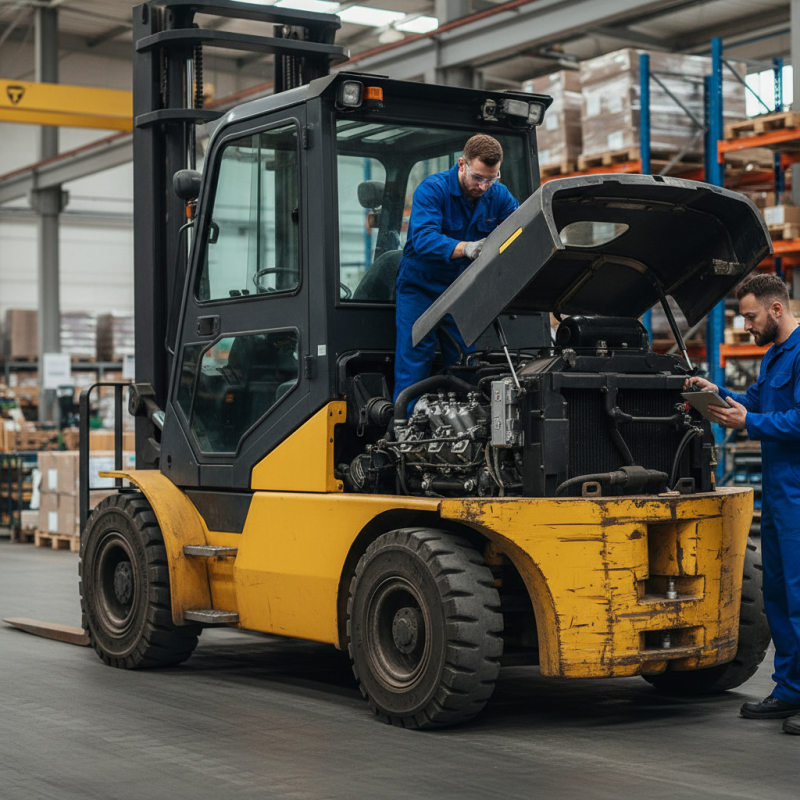
Understanding the Importance of Regular Forklift Servicing
Regular servicing of heavy-duty forklifts is crucial for optimal performance. According to industry studies, timely maintenance can improve efficiency by up to 25%. Scheduled servicing generally includes inspections every 250 hours of operation or every six months, whichever comes first. This routine helps identify potential issues before they escalate into major repairs.
Neglecting regular maintenance can lead to significant downtime. A report from the Forklift Safety Institute noted that over 50% of equipment failures result from inadequate servicing. This fact emphasizes the importance of implementing a reliable maintenance schedule. Simple tasks, such as lubricating parts and checking fluid levels, can prevent costly failures.
Moreover, operators should be trained to perform basic checks daily. Limited understanding of the equipment can lead to oversight. Investing in operator training improves safety and efficiency. Properly serviced forklifts not only enhance performance but also extend the lifespan of the equipment.
Ensure that the servicing is done by certified professionals who follow the manufacturer's guidelines for best results.
Factors Influencing Service Frequency for Heavy Duty Forklifts
When it comes to servicing a heavy-duty forklift, various factors affect how often maintenance should occur. Environment plays a huge role. If the forklift operates in a dusty or wet area, more frequent check-ups are necessary. Heavy loads can also strain equipment, demanding more regular inspections. Operators should evaluate their specific working conditions and adjust service frequency accordingly.
Tips: Keep an eye on wear and tear. Check the tires regularly for any signs of damage or bald spots. Always ensure fluid levels are adequate; this prevents potential engine damage. A simple routine check can save significant repair costs down the line.
Operator training is another critical factor. Well-trained operators are less likely to misuse equipment, reducing the chance of breakdowns. A comprehensive training program encourages safe handling and regular inspections. Mistakes happen, and sometimes they lead to more repairs than anticipated. Taking the time for proper training helps mitigate that risk and keeps operations smooth.
How Often Should a Heavy Duty Forklift Be Serviced for Best Performance?
| Service Interval (Hours) |
Type of Service |
Factors Influencing Frequency |
Recommended Frequency |
| 250 hours |
Basic Maintenance |
Light Duty Usage |
Every 1-2 months |
| 500 hours |
Detailed Inspection |
Moderate Duty Usage |
Every 3-4 months |
| 1000 hours |
Comprehensive Service |
Heavy Duty Usage |
Every 6-12 months |
| 2000 hours |
Major Overhaul |
Extreme Duty Usage |
Annually |
Recommended Service Intervals Based on Usage and Environment
Service intervals for heavy duty forklifts depend greatly on usage and environmental conditions. For typical warehouse settings, servicing every 500 hours is a standard recommendation. However, in harsh environments, like construction sites or outdoors, maintenance should occur every 300 hours. Dust and debris can wreak havoc on a forklift’s components.
Operators should monitor their equipment closely. Indicators of wear often show before scheduled service. Unusual noises or decreased lifting capacity signify that it’s time for inspection. Regular checks of fluids and wear parts can prevent costly breakdowns later. Noticing these signs can extend equipment lifespan significantly.
Workers who consistently use their forklifts should plan for more frequent maintenance. Ignoring signs of wear can lead to unexpected downtimes. This imbalance between usage and care often results in larger repair bills. Maintaining a detailed service log can help in identifying trends and areas needing attention. It’s a proactive approach, rooted in real-world experience.
Key Maintenance Checks to Ensure Optimal Forklift Performance
Regular maintenance is vital for heavy-duty forklifts to ensure they operate at peak performance. According to industry standards, forklifts should undergo servicing every 200 hours of operation or at least once a month, whichever comes first. This frequency can prevent common issues that may arise from wear and tear.
Key maintenance checks include inspecting the hydraulic system and brakes. These components are crucial for safety and performance. A study reported that up to 30% of lift truck accidents are related to brake failure. Operators should also examine the forks for bending or cracking. Forks that carry heavy loads should not experience deformities. Inspections add value by extending the lifespan of equipment.
Another important aspect is battery maintenance. Batteries should be checked regularly for leaks and corrosion. Keeping terminals clean can enhance productivity. Interestingly, improper battery care can lead to reduced efficiency, costing companies thousands annually. Operators often overlook these small details, but they have significant consequences on overall forklift performance.
Forklift Maintenance Frequency vs. Performance
Signs Indicating a Need for Immediate Forklift Servicing
Heavy-duty forklifts are vital in many industries. However, there are clear signs that indicate they need immediate servicing. If you notice
unusual noises, such as grinding or clanking, be alert. These sounds often signal serious mechanical issues that require professional attention.
Vibrations during operation can also indicate problems. They could point to an imbalance or worn-out parts that need assessment.
Another sign is a decline in performance. If your forklift struggles to lift or move loads it once handled easily, it's time to act. Reduced stopping power or slow response time are equally concerning. These performance issues can lead to safety risks. Pay attention to warning lights on the dashboard as well. They are designed to alert operators about possible malfunctions.
Visible leaks are another critical indicator. Fluid leaks beneath the forklift not only compromise functionality but also pose environmental hazards. It's essential to address these leaks promptly. Regular checks help prevent more extensive damage and keep your equipment in peak condition. Waiting too long for servicing can result in costly repairs and downtime.
FAQS
: Regular servicing boosts performance and can improve efficiency by up to 25%.
Forklifts need servicing every 250 hours or every six months, whichever comes first.
Neglecting maintenance can lead to downtime and costly repairs due to equipment failures.
Simple tasks include lubricating parts and checking fluid levels regularly.
Operators should perform daily basic checks and receive proper training for better handling.
Environmental conditions, load weights, and operator training all influence servicing frequency.
Regularly check tires for damage and ensure fluid levels are adequate.
Well-trained operators are less likely to misuse equipment, reducing breakdown chances.
Comprehensive training programs help mitigate risks and ensure smoother operations.
Operators should assess working conditions, such as dust or load strain, before modifying service schedules.
Conclusion
In the context of understanding "How often should a heavy duty forklift be serviced," it is essential to recognize the impact of regular servicing on performance and longevity. Factors such as usage frequency, load capacity, and the working environment play a significant role in determining service intervals. Generally, heavy-duty forklifts should be serviced every 200 to 500 hours of operation, with more frequent checks for those operating in harsh conditions.
Key maintenance checks include fluid levels, brake functionality, and tire conditions, which are critical for optimal performance and safety. Additionally, operators should be vigilant for signs indicating the need for immediate servicing, such as unusual noises, decreased lifting capability, or warning lights. By adhering to recommended service intervals and conducting thorough inspections, businesses can ensure their forklifts operate efficiently and safely.

 AJ Forklifts