Electric forklifts are essential for many industries, yet they can face challenges in battery management. A common issue operators encounter is, "Why is my electric forklift battery not charging?" This problem can lead to downtime and lost productivity. According to a report from the Material Handling Industry of America, improper charging practices can reduce battery lifespan by up to 50%.
Expert Jack Thompson, a forklift battery specialist, emphasizes, “Understanding charging issues is key to maintaining efficiency.” Effective troubleshooting can identify problems such as loose connections or faulty chargers. These issues may appear minor but can have significant implications on overall operational efficiency.
Battery technology is evolving, and so are the common challenges. Maintenance routines need to be adapted as new advancements emerge to ensure that the equipment remains reliable. Operators must remain vigilant about the health of their batteries. After all, a well-maintained battery not only enhances productivity but also extends its lifecycle.
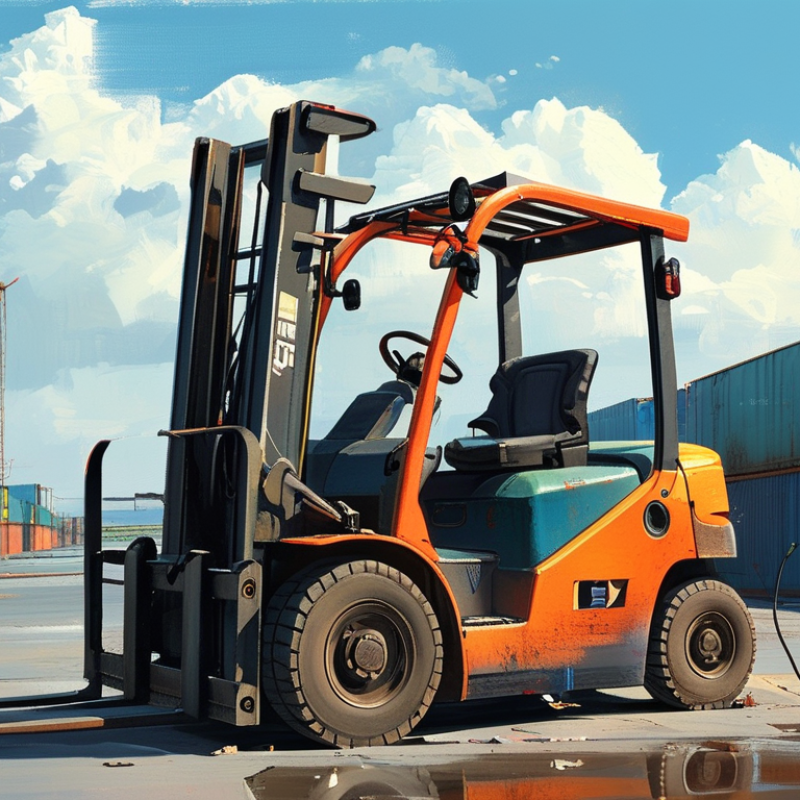
Common Causes of Electric Forklift Battery Charging Issues
Electric forklifts are essential for many warehouses and logistics operations. However, battery charging issues can arise unexpectedly. Understanding common causes can help you troubleshoot effectively.
One common issue is a faulty charger. If the charger isn’t working correctly, it won’t supply the needed power. Inspect the charger for signs of wear or damage. Check the connections to ensure they are tight and free of corrosion.
Another reason could be battery age. Over time, batteries lose their ability to hold a charge. If your battery is several years old, it may be time for a replacement. Monitor the battery's performance closely. Sometimes, batteries appear fine but fail under heavy loads.
Poor maintenance can also lead to charging problems. Ensure that battery terminals are clean and free from debris. Regular inspections are vital. They help identify issues early, preventing bigger problems later. Instead of waiting for a complete failure, take a proactive approach. These details can make a significant difference in battery performance and longevity.
Signs Indicating a Battery That Needs Charging
Battery performance in electric forklifts is crucial for operational efficiency. Common signs that the battery may require charging include:
- reduced lifting power,
- slower movement,
- and inconsistent performance.
According to industry reports, a well-maintained battery can last up to
1,500 cycles, but neglect can lead to premature failure. Monitoring these signs is essential.
Another clear indicator is the charging time.
If an electric forklift takes longer than usual to charge, this might suggest an underlying issue. Similarly,
frequent trips to the charger often signal battery fatigue. Studies reveal that approximately
30% of battery-related issues stem from inadequate charging practices. Understanding these signals can help identify problems early.
Consider the voltage readings as well. A significant drop in voltage can indicate a battery that is not holding a charge. Regular maintenance can help mitigate these issues, yet many operators overlook this aspect. Ensuring a
proactive approach can prevent costly downtime and extend battery life. Therefore, being aware of these signs is vital for maintaining productivity.
Step-by-Step Troubleshooting for Charging Problems
When an electric forklift battery fails to charge, it poses significant downtime risks. Proper troubleshooting is essential to minimize these issues. Start by inspecting the battery connections. Loose or corroded terminals may prevent adequate power flow. According to industry reports, over 30% of charging failures link back to poor connections. Regular maintenance can significantly reduce this risk.
Next, check the charger. Ensure it works properly. Look for signs of wear or malfunction, such as unusual noises or overheating. An estimated 20% of forklift battery issues arise from faulty chargers. If necessary, test the output voltage. It should align with the battery's requirements. If the charger fails to deliver the right voltage, it needs replacement.
Finally, examine the battery itself. Old or damaged batteries often struggle to hold a charge. Data shows that nearly 25% of forklift batteries operate beyond their optimal lifespan. It’s crucial to replace batteries when they lose capacity significantly. Document and reflect on these steps to improve future troubleshooting efforts. Your systematic approach will help keep operations running smoothly.
Maintenance Tips for Extending Battery Life and Performance
Electric forklifts are essential for warehouse operations, yet battery performance can be a common concern. Regular maintenance is key to prolonging battery life. According to industry studies, a well-maintained forklift battery can last up to 1,500 charge cycles. This is significantly better than the 800 cycles observed in poorly maintained batteries. Simple measures such as keeping connections clean and checking fluid levels can have a big impact.
Monitoring the charging environment is also crucial. Temperatures greatly affect battery performance. An ideal charging temperature ranges from 60 to 80 degrees Fahrenheit. If batteries are charged in extreme temperatures, their efficiency can drop significantly. Furthermore, charging practices need attention. Never leave a battery in a depleted state, as this can lead to irreversible damage.
Attention to detail matters. Regular inspections, such as checking for corrosion, can help catch issues early. In fact, about 30% of battery failures stem from neglecting routine maintenance. As forklift usage continues to rise, understanding these basic maintenance tips can make a meaningful difference in battery longevity and reliability.
When to Seek Professional Help for Battery Charging Issues
If your electric forklift battery isn't charging, it might indicate a deeper issue. Common problems can include worn-out connections or a failing charging unit. According to industry reports, nearly 25% of forklift battery malfunctions stem from faulty charge systems. It’s essential to regularly inspect these components to prevent costly downtimes.
Sometimes, it’s time to call in the experts. If you notice corrosion on terminals or hear unusual noises from the charger, seek professional help. Industry data suggests that early intervention can reduce repair costs by up to 40%. A thorough inspection by a qualified technician can uncover hidden problems that might not be obvious at first glance.
Battery lifespan often hinges on the care it receives. Ignoring minor charging issues can lead to bigger headaches later. Fortunately, understanding when to ask for support can make all the difference. Engaging an expert can ensure safety and maintain an efficient working environment. Don’t hesitate to consult professionals when in doubt.
Electric Forklift Battery Charging Issues
FAQS
: Inspect the charger for damage. Check connections for tightness and corrosion.
Monitor its performance. If it struggles under load, consider a replacement.
Dirty terminals or lack of inspections lead to charging issues. Regular care is essential.
Unusual noises or overheating are warning signs. Test its output voltage.
Regular inspections are vital. They help identify issues early and prevent failures.
Over 30% of failures stem from loose or corroded terminals.
If it cannot hold a charge or shows significant capacity loss, replace it.
Yes, poor maintenance can shorten battery lifespan significantly.
Delaying repairs could lead to complete battery failure and costly downtime.
Yes, documenting and reflecting on steps improves future troubleshooting efforts.
Conclusion
When faced with the question, "Why is my electric forklift battery not charging," it's essential to understand the common causes behind charging issues. These can range from faulty connections, damaged cables, to issues with the battery management system. Recognizing the signs that indicate a battery needs charging, such as reduced lift capacity or warning lights, is crucial for timely intervention.
To troubleshoot charging problems effectively, a systematic approach should be taken, including checking all connections, inspecting the charger, and testing the battery for faults. Implementing regular maintenance practices can significantly extend the battery's life and performance. However, if the problem persists, it's advisable to seek professional help to avoid further complications and ensure safe operation. By understanding these elements, operators can address charging issues proactively and maintain optimal performance of their electric forklifts.

 AJ Forklifts