In the fast-paced world of warehousing and logistics, safety cannot be overlooked. Understanding "What are the essential daily forklift inspection checklists" is crucial for ensuring operational efficiency and worker safety. According to the Occupational Safety and Health Administration (OSHA), improper forklift operation contributes to 34,900 injuries each year. Ensuring proper inspection can greatly reduce these numbers.
Industry expert Johnathan Miller, a certified forklift safety consultant, highlights, "A thorough inspection checklist is not just a regulation; it's a lifeline for operators." This statement underscores the importance of daily inspections in preventing accidents.
Each day, operators should follow a detailed checklist which includes checking the brakes, steering, and lights. Small oversights can lead to serious consequences. If operators neglect these tasks, they risk not only their own safety but also that of their colleagues. Regular inspections are a shared responsibility that cultivates a safer work environment. This proactive measure can prevent costly accidents and promote a culture of care in the workplace.
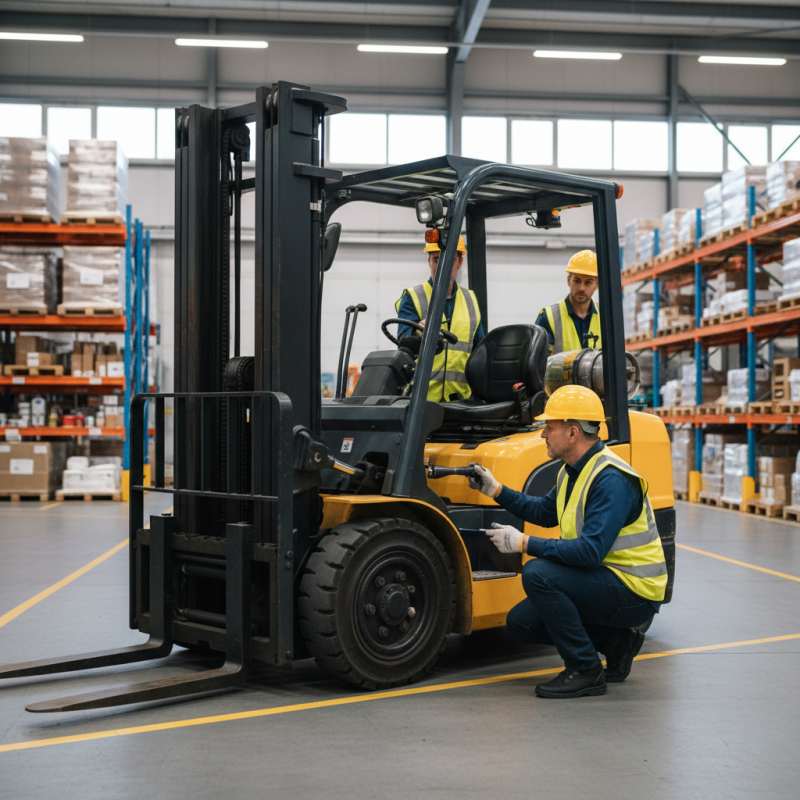
Daily forklift inspections are crucial for ensuring safety in any workplace that utilizes these machines. They serve as a proactive measure to identify potential issues before they escalate into serious problems. By checking essential parts like brakes, forks, and lights, operators can prevent accidents and equipment failures. Regular inspections can also provide insights into equipment wear and tear, helping teams strategize maintenance schedules efficiently.
The purpose of these inspections goes beyond compliance with regulations. They foster a culture of safety among workers. When employees see their colleagues prioritize checks, it reinforces the message that safety is everyone's responsibility. Yet, some may overlook the importance of thorough inspections, thinking they are time-consuming. This mindset needs reflection; even a quick glance can miss critical faults. A dedicated inspection routine can save lives and reduce downtime in the long run. Implementing a checklist can help keep the process structured, ensuring no detail goes unnoticed.
| Inspection Item | Description | Frequency | Responsible Person | Status |
|---|---|---|---|---|
| Visual Inspection | Check for any visible defects or leaks | Daily | Operator | OK |
| Fluid Levels | Check oil, coolant, hydraulic fluid levels | Daily | Operator | OK |
| Tires | Inspect tires for wear and proper inflation | Daily | Operator | OK |
| Brakes | Test braking system for functionality | Daily | Operator | OK |
| Lights and Horn | Test all lights and horn for functionality | Daily | Operator | OK |
: Daily inspections help identify issues early, preventing serious accidents and equipment failures.
Essential components include forks, battery condition, tires, and safety features like lights and alarms.
Regular checks promote a culture of safety, helping to decrease accident rates significantly.
Involving operators in the checklist process brings valuable insights due to their hands-on experience.
Some may overlook key checks, thinking they are brief. This mindset can overlook critical faults.
Keep records organized to provide easy access and track trends over time.
A malfunctioning battery can halt operations. Always inspect for proper charging and cable condition.
Worn or improperly inflated tires can lead to accidents, making tire checks vital for safety.
Investing time in inspections can prevent costly downtime and accidents in the future.
Missing small details can lead to serious accidents, highlighting the need for careful inspections.
Daily forklift inspections are crucial for ensuring safety in the workplace. These essential checks help identify potential hazards and maintain equipment functionality, thereby preventing accidents and injuries. What are the essential daily forklift inspection checklists? They should include items such as the condition of the forks, levels of fluids, operational controls, lights, and warning alarms.
A step-by-step guide for conducting these inspections can enhance effectiveness. Operators should follow a systematic approach to examine each component thoroughly. During inspections, it's important to watch for common safety issues like fluid leaks or worn-out parts. Additionally, best practices for documenting findings should be implemented to maintain records and track compliance, ensuring a safer work environment for all employees.

 AJ Forklifts