Cold storage environments play a crucial role in supply chain management. These facilities require specialized equipment to maintain low temperatures for perishables. However, one often overlooked aspect is how do cold storage environments affect forklift performance. Forklifts are essential in these spaces for efficient material handling.
Temperature fluctuations can impact battery performance. Cold environments drain batteries faster, resulting in increased downtime. Operators also face visibility challenges due to condensation or fog buildup on windows. Additionally, the floor conditions may change; ice or frost can create unsafe driving surfaces.
In these settings, maintaining optimal forklift performance is critical. Consequently, regular maintenance checks become essential to avoid breakdowns. Operators need to be trained to handle specific issues that arise in cold storage scenarios. The balance between efficiency and safety is vital for smooth operations, leading to potential stress points that require reflection and adaptation.
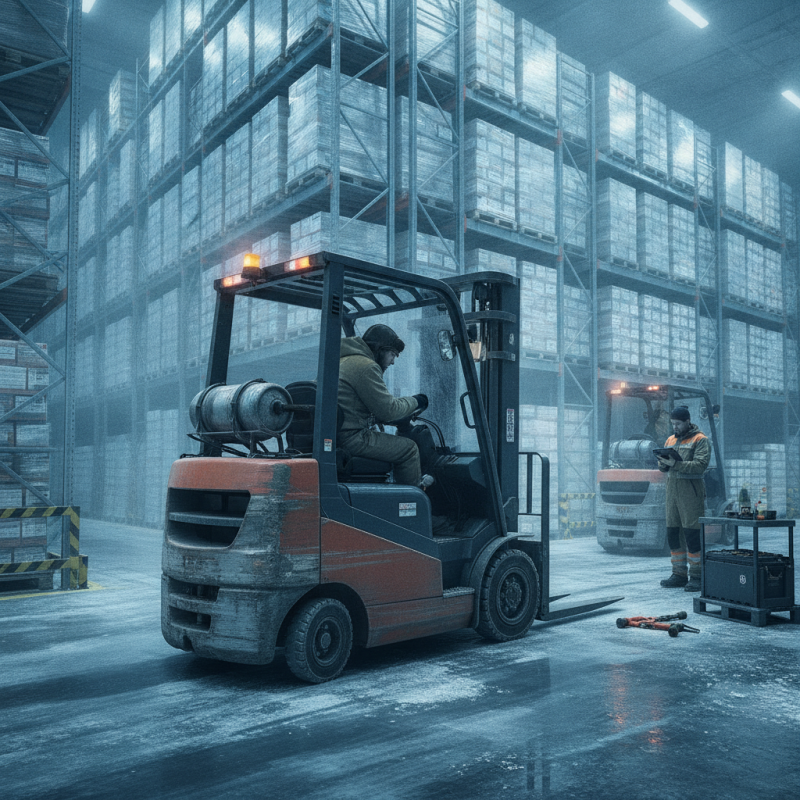
Cold storage plays a significant role in forklift performance, particularly regarding battery life and efficiency. When temperatures drop, the chemical reactions inside forklift batteries slow down. This can lead to reduced power and diminished lift capacity. Operators may notice a decrease in usage time, requiring more frequent recharges.
Ensuring optimal battery performance in cold environments is crucial. You can maintain efficiency by preheating batteries before use in colder climates. Another tip is to store batteries in insulated areas to shield them from extreme temperatures. Even small changes can enhance performance and extend battery life.
Regular maintenance is vital. Inspect batteries regularly for signs of damage or wear. Clean battery terminals can improve conductivity. Ignoring maintenance may lead to unexpected downtimes. Always prioritize safety when working with cold storage and batteries. Proper handling is essential to avoid accidents or equipment failures.
Cold storage environments significantly challenge forklift operations, particularly through tire performance and traction. Low temperatures often affect rubber compounds, leading to reduced flexibility. According to a study by the National Safety Council, approximately 50% of forklift accidents occur due to compromised traction. Cold rubber can harden, decreasing grip, especially on wet surfaces.
Additionally, tire pressure can reduce in colder temperatures. A 2022 report by the Rubber Manufacturers Association indicated that every 10°F drop in temperature can lead to a 1 psi decrease in tire pressure. This impacts handling and can result in longer stopping distances. Operators may also notice more frequent tire wear, potentially increasing maintenance costs.
Moreover, the freeze-thaw cycles can lead to cracks in tire sidewalls. These structural issues can diminish overall forklift safety and performance. Some operators may not realize the extent of these tire impairments, which can leave room for reflection on maintenance practices. Proper inspections, tire selection, and pressure monitoring are essential to ensure safety and efficiency in cold storage operations.
| Aspect | Effect on Performance | Description |
|---|---|---|
| Tire Hardening | Reduced Traction | Cold temperatures can cause rubber tires to harden, leading to less grip on surfaces. |
| Tire Wear | Increased Wear Rate | Frequent use in cold storage can accelerate tire wear due to material degradation. |
| Traction Control | Compromised Control | Lower traction can lead to operational hazards, affecting safety. |
| Battery Efficiency | Reduced Efficiency | Cold temperatures can decrease battery performance, limiting operational time. |
| Operating Range | Limited Range | Forklifts may have restrictions on distance or duration in cold settings. |
| Fluid Performance | Viscosity Changes | Cold affects fluid movement, leading to sluggish hydraulic response. |
| Operator Comfort | Decreased Productivity | Cold environments can diminish operator focus and efficiency. |
| Maintenance Needs | Increased Maintenance | Frequent checks are necessary to ensure safety and performance standards. |
| Tire Pressure | Lower Tire Pressure | Cold can lead to lower tire pressure, impacting load handling capabilities. |
| Operational Costs | Increased Costs | All the above factors can lead to higher operational costs due to inefficiencies. |
Cold environments significantly impact forklift operation and operator comfort. These chilly settings present unique challenges that affect productivity. Operators often experience discomfort due to low temperatures. This discomfort can lead to reduced focus and longer downtime. When workers are uncomfortable, their efficiency drops. Cold can also affect grip and movement, making it harder to operate the forklift smoothly.
Moreover, extended exposure to cold can lead to fatigue. Fatigued operators are prone to making mistakes. Mistakes can be costly in terms of safety and efficiency. Dress codes can help, but personal comfort levels vary. Some workers may still feel the chill even with proper gear. This inconsistency highlights the need for better heating solutions in cold storage areas.
In cold storage facilities, it’s vital to incorporate ergonomic practices. Regular breaks can help maintain a warm body temperature. Engaging workers in discussions about their comfort can provide insights. Understanding individual needs is essential. Strategies should adapt to the unique challenges of cold environments. Fostering a supportive atmosphere may enhance overall productivity and safety.
Cold storage environments significantly influence forklift performance, particularly regarding load handling capacities. Research indicates that forklifts operating in sub-zero conditions experience a reduction in lifting power. In fact, studies show that lift capacities can decrease by up to 20%. This decline arises due to the increased viscosity of hydraulic oils in cold temperatures. Operators may find it challenging to maintain optimal lifting speeds, which can slow down overall efficiency.
Additionally, the weight of cold storage products can vary. For instance, frozen goods may weigh more than their standard ambient equivalents due to condensation. This variation requires operators to recalibrate their handling strategies. A report from the Material Handling Industry of America notes that companies should invest in training to address these challenges. Proper training can improve safety and efficiency, especially when workers are forced to adapt to rapid changes in load handling.
Moreover, battery performance diminishes in cold settings. A notable report states that lead-acid batteries lose about 30% of their efficiency at low temperatures. Operators might need to recharge batteries more frequently to keep forklifts operational. This downtime can hinder productivity and create bottlenecks. Addressing these issues is crucial for maximizing performance in cold storage facilities.
Cold storage environments pose unique challenges for forklift maintenance. Low temperatures can significantly impact battery performance. Batteries may drain faster, requiring more frequent charging cycles. This can lead to extended downtime and interruptions in workflow. Regular battery checks become essential to avoid unexpected failures. Operators need to ensure batteries remain at optimal temperatures, or they face reduced efficiency.
Another challenge is the lubricants used in cold environments. Standard lubricants may thicken, leading to increased friction in moving parts. Operators might find it harder to steer and maneuver forklifts due to this. Changing to cold-rated lubricants can help minimize these issues, but not all facilities make this adjustment. A lack of proper lubrication can result in premature wear and tear, reducing equipment lifespan. Training staff on these maintenance practices is crucial for reliable operation in cold storage areas.
: Cold environments reduce the flexibility of rubber compounds, impacting tire grip.
A 10°F drop can cause a 1 psi decrease in tire pressure, affecting handling.
Yes, operators may notice more frequent tire wear, increasing maintenance costs.
These cycles can lead to cracks in sidewalls, compromising safety and performance.
Cold temperatures can cause discomfort, leading to reduced focus and productivity.
Extended exposure can lead to fatigue, increasing the likelihood of mistakes.
Breaks help maintain body temperature and improve worker comfort.
Discussions about comfort levels can help identify needs and improve conditions.
Personal comfort levels vary, and some may still feel cold despite wearing gear.
Tire pressure and regular inspections are crucial for maintaining safety and efficiency.
Cold storage environments impose significant challenges on forklift performance, primarily due to temperature fluctuations that can adversely affect battery life and efficiency. In colder conditions, batteries may not hold charge as effectively, leading to reduced operating time and efficiency. Additionally, the performance of tires can worsen in low temperatures, affecting traction and stability, which are critical for safe and efficient operations.
Operator comfort and productivity can also be influenced by cold storage environments, as frigid conditions can lead to fatigue and reduced focus. This ultimately impacts overall productivity. Furthermore, forklifts may experience changes in their load handling capacities, necessitating careful attention to material handling practices. Maintenance becomes another challenge, as cold weather can exacerbate wear and tear, requiring more frequent checks and replacements. Overall, understanding how do cold storage environments affect forklift performance is essential for optimizing operations in such settings.

AJ Forklifts