2026 Top How to Choose the Best Paper Roll Clamping Machine?

Time:2026-10-16 Author:Charlotte
0%

Choosing the right paper roll clamping machine can protect product quality, equipment life, and operator safety. In 2026, buyers face many options, from compact warehouse clamps to heavy-duty hydraulic systems. The best choice depends on real handling conditions, not attractive specifications alone. Roll weight, width, core diameter, surface material, and storage layout all matter. A machine designed for narrow rolls may struggle with wider stock. That mistake can become expensive.

This guide explains How to select the best clamping machine for paper rolls through practical evaluation. It examines clamping force, rotation control, attachment compatibility, visibility, and maintenance access. Check whether the clamp holds a roll firmly without crushing its edges. Ask for load charts, test records, and service guidance from the manufacturer. A demonstration with your actual roll sizes is more useful than a polished brochure. Watch for slipping, uneven pressure, and slow release during the trial.

Small details count. A clear operator view improves positioning near racks. Smooth hydraulic movement reduces sudden paper damage. Replaceable contact pads can lower long-term costs. However, no machine fits every mill, warehouse, or converting line. My initial preference may change after measuring aisle width, floor conditions, and daily handling cycles. Real experience often exposes assumptions that factory data cannot show. Compare verified performance, training support, warranty terms, and spare-part availability before committing. The safest decision is not always the cheapest one. Reliability should remain measurable.
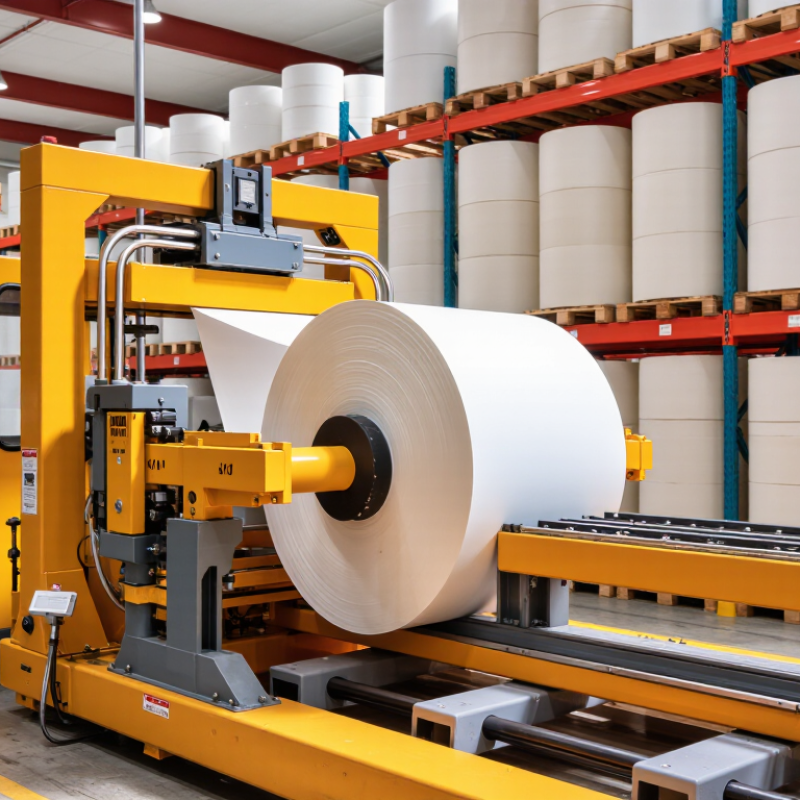
2026 Top How to Choose the Best Paper Roll Clamping Machine?

What Is a Paper Roll Clamping Machine?

2026 Top How to Choose the Best Paper Roll Clamping Machine?

What Is a Paper Roll Clamping Machine?

A paper roll clamping machine is industrial equipment for gripping, lifting, and moving large paper rolls. Its arms usually clamp the roll’s sides or core. Hydraulic pressure creates controlled holding force during transport. The machine helps prevent roll slippage, edge damage, and unsafe manual handling.

This equipment matters because paper rolls can weigh several tonnes. FAO Forestry Production and Trade data reported approximately 423 million tonnes of global paper and paperboard production in 2023. That volume places constant pressure on mills, warehouses, and converting plants. A suitable clamp must match roll diameter, width, weight, and surface sensitivity. Excessive pressure can leave marks. Insufficient pressure can cause dangerous movement.

In daily operation, check the clamp’s rated capacity, opening range, rotation function, and visibility from the driver’s seat. Operators should test gripping force on sample rolls before full production. The European Agency for Safety and Health at Work emphasizes risk assessment and safer material-handling practices in industrial workplaces. That principle is practical here. However, specifications alone do not guarantee performance. Floor conditions, moisture, uneven roll density, and operator habits also affect stability.

I would not choose the strongest clamp automatically. Stronger is not always gentler. A machine with adjustable pressure, smooth hydraulic control, and replaceable contact pads may protect expensive stock better. Keep a record of damaged edges, slipping incidents, and maintenance intervals. Those imperfect records often reveal the best machine choice.

How Paper Roll Clamping Machines Work

A paper roll clamping machine grips, lifts, transports, and sometimes rotates heavy rolls without using a core shaft. Its hydraulic arms close around the roll’s outer surface. Pressure must remain strong enough to prevent slipping, but gentle enough to avoid crushing the paper edges. That balance is the machine’s central challenge.

The operator selects the roll diameter, weight, and surface condition before handling. A pressure-control valve then adjusts clamping force. Many machines use padded arms, hydraulic rotation, and adjustable opening widths. These features help keep the roll stable during turning and stacking. However, excessive pressure can leave dents. Moisture, dust, or uneven wrapping can also reduce grip. Small details matter.

FAO’s 2022 FAOSTAT data place global paper and paperboard production above 400 million tonnes. CEPI’s 2023 industry statistics reported about 79.5 million tonnes of paper and board production in Europe. Such volumes create constant demand for safer internal handling. When choosing equipment, compare rated capacity, minimum and maximum roll diameter, rotation range, hydraulic response, and visibility from the operator’s seat. Check how easily the pads can be replaced. Ask for pressure-test records.

A higher capacity is not automatically better. It may add weight and reduce forklift stability. I would test a machine with real rolls, not only a showroom sample. That exposes vibration, slipping, and awkward controls. Good selection remains partly technical judgment.

Key Types of Paper Roll Clamping Machines

2026 Top How to Choose the Best Paper Roll Clamping Machine?

Paper roll clamping machines generally fall into several practical types. Side-clamp models grip the roll from both ends or sides. They suit rolls with firm edges and stable dimensions. Center-clamp machines hold the core, reducing contact with the paper surface. This design works well for delicate coated paper. Shaftless clamps support rolls without inserting a shaft. They can save handling time, but alignment requires careful operator control.

Hydraulic clamping machines provide strong, adjustable pressure for heavy rolls. They are common in mills, warehouses, and converting areas. Electric models offer quieter operation and more precise movement. They may suit indoor facilities with strict noise requirements. Pneumatic systems respond quickly, although air pressure must remain stable. A weak compressor can cause uneven gripping. That detail is easy to overlook.

Choose the machine after checking roll weight, diameter, width, core size, and surface sensitivity. A clamp rated for heavy rolls may still damage soft edges. Review the manufacturer’s load chart and test the smallest and largest rolls. Watch the first handling cycle closely. It reveals slipping, edge marks, and poor balance. Safety sensors, visible pressure settings, and emergency stops improve daily reliability. In my experience, operators often prioritize capacity and forget working space. That assumption can be costly. No single clamp fits every production line.

How to Choose the Right Paper Roll Clamping Machine

Choosing the right paper roll clamping machine begins with the roll, not the catalog. Measure roll width, diameter, core size, weight, and surface sensitivity. A machine should grip firmly without crushing edges or leaving pressure marks. In 2026, many warehouses also need smooth compatibility with existing forklifts and lifting routines. Check the attachment’s rated capacity at the actual load center. Rated capacity can fall when the roll extends outward. That detail is easy to miss.

Tips: Ask operators to test a loaded roll before purchase. Watch the clamp during lifting, turning, and placement. Hydraulic movement should feel controlled, not abrupt. Confirm the minimum and maximum opening range. Review visibility from the driver’s seat, especially in narrow aisles. A technical sheet may look perfect, yet poor sightlines can slow work and increase handling mistakes. Keep spare seals and inspection guidance available. Practical support matters.

Choose construction for your working environment. Dust, moisture, uneven floors, and long shifts expose weak components quickly. Request evidence from real operating conditions, such as maintenance records or supervised trials. I have seen teams focus on price, then discover that slow adjustment caused production delays. That choice was not completely wrong, but it was incomplete. Compare cycle time, service access, safety controls, and training needs. The best fit is the machine operators can control confidently every day.

Safety, Maintenance, and Operating Best Practices

Choosing a paper roll clamping machine starts with safety, not lifting capacity. The machine must match roll diameter, width, weight, core strength, and storage conditions. A useful field lesson is simple: oversized capacity can still create unstable loads. Confirm the manufacturer’s load chart, clamp pressure range, and visibility around the roll. ILO estimates published in 2023 recorded 2.93 million work-related deaths globally in 2019. That figure makes risk assessment more than paperwork.

Inspect clamp pads, hydraulic hoses, limit switches, and emergency stops before each shift. Look for oil mist, cracked rubber, or uneven jaw movement. Small defects become expensive failures. Lockout procedures should isolate hydraulic and electrical energy before repairs. OSHA identifies lockout/tagout and machine guarding among its most frequently cited safety concerns. Guards, interlocks, and warning signals require functional tests, not visual approval alone. Keep aisles dry and clear, especially near turning areas.

Operating discipline also matters. Train operators to approach squarely, clamp at the approved height, and pause after lifting. Never stand beneath a suspended roll. Use slow travel near racks and doorways. The U.S. Bureau of Labor Statistics recorded 888,220 private-industry injuries involving days away from work in 2023. That number does not describe every clamping incident, but it shows why production pressure deserves restraint. One imperfect habit remains common: rushing the pre-use check. Supervisors should observe real tasks and revise training when operators find safer methods.

FAQS

What does a paper roll clamping machine do?

It grips, lifts, transports, and sometimes rotates paper rolls without a core shaft. Hydraulic arms press against the roll’s outer surface. Small details matter.

How does the machine avoid damaging paper rolls?

It balances gripping force with edge protection. Excessive pressure can create dents or crush paper edges. Padded arms help reduce surface damage. The balance is not always perfect.

What roll information should operators check before handling?

Check the roll’s diameter, width, weight, core strength, and surface condition. Also measure the load center. An outward load can reduce lifting capacity.

How should buyers compare different machines?

Compare rated capacity, opening range, rotation angle, hydraulic response, and operator visibility. Check pad replacement and service access. A higher capacity is not automatically better.

Why should buyers test a machine with real rolls?

Real rolls reveal vibration, slipping, awkward controls, and poor sightlines. A showroom sample may behave differently. I would insist on a supervised trial.

What workplace conditions can reduce clamping performance?

Dust, moisture, uneven wrapping, and rough floors can reduce grip. Narrow aisles also make turning harder. Keep travel paths dry and clear.

What should operators inspect before each shift?

Inspect clamp pads, hydraulic hoses, limit switches, and emergency stops. Look for oil mist, cracked rubber, or uneven jaw movement. Do not rush.

What operating habits improve safety?

Approach the roll squarely and clamp at the approved height. Lift slowly, pause, and check stability before traveling. Never stand beneath a suspended roll.

What maintenance practices are important?

Follow scheduled inspections and keep spare seals available. Isolate hydraulic and electrical energy before repairs. Visual checks alone are insufficient.

Why can choosing the cheapest machine be a weak decision?

A low purchase price may hide slow adjustment, difficult maintenance, or poor visibility. Those issues can delay production and increase handling mistakes. My earlier focus on price would be incomplete.

Conclusion

A paper roll clamping machine is a specialized handling attachment or device designed to lift, secure, rotate, and transport large paper rolls without damaging their surfaces or cores. It works by applying controlled clamping pressure through powered arms, often combined with hydraulic or mechanical movement, allowing operators to position rolls accurately during storage, production, and loading operations. Common types include side-clamping models, core-gripping designs, rotating clamps, and adjustable attachments for different roll sizes and weights.

To understand how to select the best clamping machine for paper rolls, users should evaluate roll dimensions, weight capacity, core specifications, handling frequency, equipment compatibility, and required rotation functions. Safety features such as pressure control, stable gripping, visibility, and emergency protection are essential. Regular inspection of hydraulic systems, gripping surfaces, fasteners, and controls helps maintain reliable performance. Operators should receive proper training, follow load limits, keep the working area clear, and use careful, balanced movements to protect both personnel and paper materials.

Charlotte

Charlotte

Charlotte is a seasoned marketing professional with a deep understanding of the company's portfolio and a passion for elevating its presence in the market. With a keen eye for detail and a commitment to excellence, she ensures that our professional blog is regularly updated with insightful articles......