Choosing the right forklift for your warehouse is crucial. This decision impacts efficiency and safety. John Smith, a senior logistics consultant, emphasizes, “Selecting the right forklift can transform your warehouse operations.”
When considering how to choose the right forklift for a warehouse, it's essential to assess specific needs. Different types of forklifts serve various purposes. For example, narrow aisle forklifts excel in tight spaces, while counterbalance forklifts offer flexibility for outdoor use.
Evaluating your warehouse layout, the weight of goods, and the type of flooring becomes vital in making this choice. The selection process is not always straightforward. It requires careful thought and sometimes leads to unexpected challenges. A forklift that suits one warehouse may not fit another. Always seek expert advice to navigate this complex decision successfully.
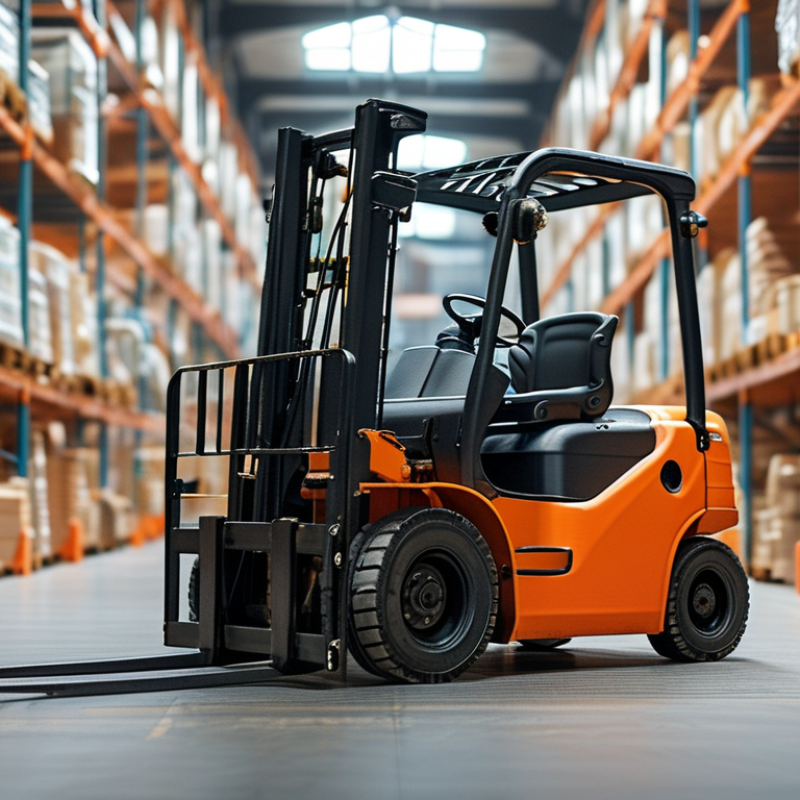
When choosing the right forklift for your warehouse, understanding your needs and layout is crucial. Assess the size of your aisles and pallets. A narrow aisle may limit your options, pushing you towards compact or narrow forklifts. Additionally, consider the height of your shelving. Some forklifts are designed to reach higher levels, while others are better for ground-level operations. Every warehouse is unique, and a one-size-fits-all solution often fails to meet specific requirements.
Also, analyze the type of materials you handle. Different lifts have various attachments and capabilities. For instance, if you manage heavy items, a robust forklift model is essential. Think about your warehouse's floor surface too. Rough or uneven floors may require more durable equipment. Even minor details can lead to inefficiencies later. Reflecting on past equipment usage can provide insights into the best choices. Listening to your team's experiences can highlight both strengths and weaknesses in your current setup. This information is vital for making an informed decision.
When selecting a forklift, evaluating load capacity is crucial. Each forklift has a specific weight limit. Knowing your maximum loads helps prevent accidents. A forklift that can't handle the weight may tip over. It's essential to check the manufacturer’s guidelines.
Consider the type of materials you’ll be lifting. Different forklifts are designed for different load types. Standard forklifts work well for pallets. However, oversized loads may require specialized equipment. Always assess your warehouse layout, too. Narrow aisles might limit your options.
Reviewing forklift specifications can be overwhelming. Not all features apply to every situation. For instance, think about lifting height and reach. A forklift with limited vertical reach may be ineffective in tall racks. Pay attention to turning radius as well. Larger forklifts might struggle in tight spaces. Therefore, weighing these specifications carefully is critical for optimal efficiency.
| Tip Number | Tip | Considerations | Load Capacity (lbs) | Lift Height (ft) |
|---|---|---|---|---|
| 1 | Assess Load Requirements | Calculate weight and size of loads to be handled. | 5000 | 12 |
| 2 | Evaluate Forklift Types | Consider electric vs. internal combustion forklifts. | 6000 | 15 |
| 3 | Factor in Warehouse Space | Measure aisle width and storage height. | 4000 | 10 |
| 4 | Look for Safety Features | Ensure the forklift has advanced safety systems. | 3000 | 8 |
| 5 | Determine Power Source | Decide between electric, LPG, and diesel options. | 7000 | 20 |
| 6 | Check Maneuverability | Assess turning radius and control features. | 3500 | 9 |
| 7 | Review Service and Maintenance Needs | Consider ease of maintenance and service location. | 8000 | 18 |
| 8 | Explore Attachments and Accessories | Determine necessary attachments for specific tasks. | 4500 | 14 |
| 9 | Analyze Operator Comfort Features | Check for ergonomic design and user-friendly controls. | 6000 | 16 |
| 10 | Seek Expert Advice | Consult with forklift experts or suppliers. | 5500 | 11 |
When choosing between electric and internal combustion forklifts for your warehouse, start by considering your environment.
Electric forklifts are quieter and produce no emissions, making them ideal for indoor use. They excel in warehouses with tight spaces. However, they may require longer charging times and are limited in outdoor applications.
On the other hand, internal combustion forklifts are powerful and can handle heavier loads. They work well in outdoor environments but emit gases that can pose risks indoors.
Choosing this option means considering ventilation and safety. The cost of fuel versus electricity is also significant, and you may need to assess long-term expenses.
Reflect on your specific needs. Do you prioritize sustainability or power? Your decision could impact operational efficiency.
Evaluate the weight and type of materials you handle. Each option has its strengths and weaknesses. Understanding these will help you choose wisely.
Consider possible limitations that could arise in your operations to make the best choice for your warehouse.
When selecting a forklift, safety features play a critical role. Look for models equipped with advanced stability systems. These systems help prevent tip-overs, a leading cause of accidents in warehouses.
Consider visibility as well; a well-designed operator cabin can reduce blind spots significantly. Also, ensure the forklift has effective lights and alarms. These features enhance safety during night shifts or in low-light areas.
Compliance standards are non-negotiable. Ensure the forklift meets local safety regulations. Check that it adheres to OSHA guidelines and other relevant safety standards. This can save you from legal troubles and hefty fines. Regular inspections should be part of your routine. Missing a minor safety feature could lead to big problems later on.
In addition, training for operators is vital. A well-trained operator maximizes the forklift’s safety features. Without proper training, even the best safety systems may fail. Encourage operators to regularly review safety protocols. Little reminders can prevent accidents. In choosing the right forklift, prioritize safety and compliance to create a safer working environment for everyone.
When selecting a forklift for your warehouse, maintenance and service requirements are crucial. A well-maintained forklift can enhance productivity. According to industry reports, about 20% of operational costs relate to maintenance. This highlights the importance of considering maintenance strategies during your decision-making process.
Evaluate how easy it is to access parts and service support. Downtime affects your bottom line. Research indicates that every hour of downtime can cost a business hundreds of dollars. Regular maintenance schedules can mitigate this issue, so look for options that offer robust service plans. Ensure your team is adequately trained in maintenance procedures. This reduces the risk of errors and extends the lifespan of your equipment.
Another consideration is the overall reliability of the forklift itself. According to the National Forklift Safety Association, well-supported equipment operates more safely. Investing in a forklift model known for durability can minimize service interruptions. But, not all brands are equal in this regard. Analyze the service histories of different models and read user reviews. Emphasizing maintenance in your selection process will lead to informed decisions that enhance operational efficiency.
: Look for advanced stability systems and good visibility. Effective lights and alarms are also essential for safety.
Compliance ensures the forklift meets local regulations. This can save you from legal issues and costly fines later.
Establish a regular maintenance schedule and ensure your team is trained in maintenance procedures to reduce errors.
Well-trained operators maximize safety features. Poor training can lead to accidents, even with the best equipment.
About 20% of operational costs relate to maintenance. Downtime can cost a business hundreds of dollars each hour.
The forklift's model and service history significantly impact reliability. Invest in durable models known for low service interruptions.
Good visibility reduces blind spots, making it easier for operators to see their surroundings and avoid accidents.
Missing a minor feature can lead to serious issues later. Regular inspections help catch these problems early.
Encourage regular reviews to keep safety fresh in operators' minds. Little reminders make a big difference.
Evaluate ease of access to parts and service support. Downtime impacts productivity and can be costly.
When considering how to choose the right forklift for a warehouse, it is essential to begin by understanding your specific warehouse needs and layout. This includes evaluating the dimensions of your workspace and the types of loads you handle. Load capacity and forklift specifications are critical factors; you must ensure the selected forklift can safely lift and transport items.
Another key consideration is whether to opt for electric or internal combustion forklifts, as each type has its benefits depending on your operational environment. Additionally, assessing safety features and compliance standards is vital for both worker safety and regulatory adherence. Lastly, consider maintenance and service requirements, as reliable support will prolong the lifespan and efficiency of your forklift. By taking these factors into account, you can make an informed decision that enhances your warehouse operations.

AJ Forklifts