Choosing the right clamping machine for paper rolls can be a daunting task. The market offers a plethora of options, each with unique features. Understanding how to select the best clamping machine for paper rolls requires attention to detail and practical considerations.
One must evaluate the specific needs of the operation. Consider the size of the rolls and the type of paper being handled. Not every clamping machine is suitable for every task. Speak to industry experts or consult with suppliers to gather insights. This can save time and reduce costly mistakes.
Additionally, it is crucial to examine the machine's reliability and durability. Machines with a solid track record often outperform newer models. Be aware of user reviews and historical performance data. Reflect on previous experiences with clamping machinery. This self-assessment will guide your decision-making process and ensure you invest in the right equipment for your paper roll needs.
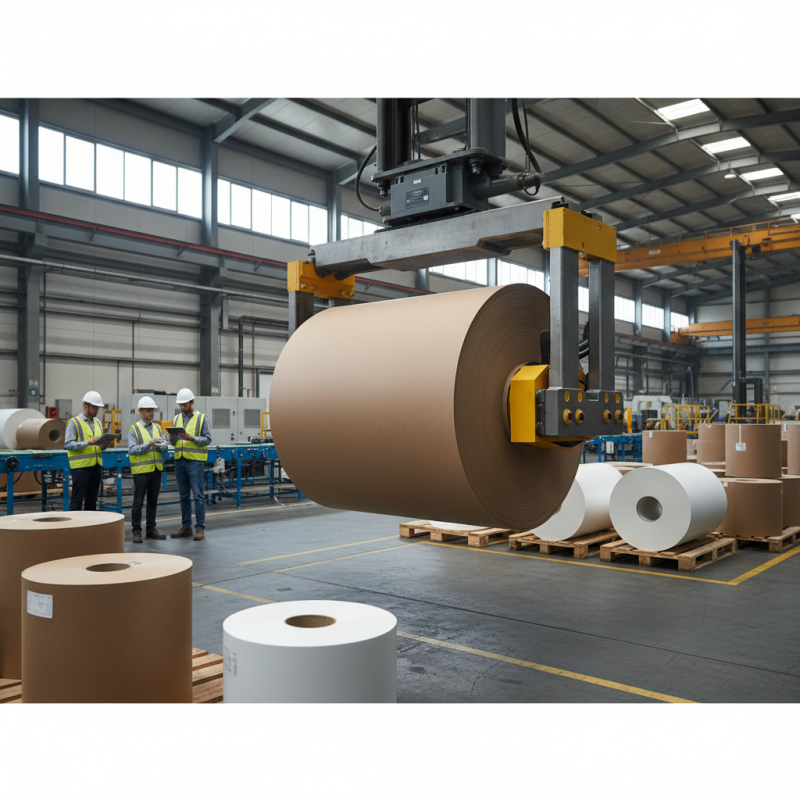
Understanding the Types of Clamping Machines for Paper Rolls
When selecting a clamping machine for paper rolls, understanding the different types is essential. Various machines serve unique purposes. For instance, some machines are designed for high-speed production, while others focus on precision. It's crucial to assess your operational needs. Some operations may require stronger grip mechanisms, while others prioritize speed over holding power.
Different clamping machines vary in technology and materials. Manual clamps are often simpler and more affordable, yet they may lack the efficiency found in automated versions. Automatic clamping machines can streamline operations, reducing labor costs. However, they typically require more maintenance and training. Consideration of downtime and replacement parts is necessary. This choice entails not just upfront costs, but long-term operational expenses.
Understanding your paper rolls' dimensions and weights also plays a vital role. Some machines can cater to wider rolls, while others may not. Ensure the clamping force is appropriate for your materials. An improperly chosen machine can lead to production issues. Reflecting on past experiences can offer insights. If you've faced challenges with clamping in the past, take note. Addressing these issues beforehand is crucial for future success.
Key Features to Look for in Clamping Machines
Choosing the right clamping machine for paper rolls involves understanding key features that can enhance efficiency. The market dynamics indicate that the paper industry is evolving rapidly. According to a report from Grand View Research, the global paper market is projected to reach USD 500 billion by 2025. There’s an increasing need for efficient equipment, and a clamping machine is critical to this process.
First, consider the machine's clamping strength. A strong clamp ensures that paper rolls remain secure during transportation and processing. An average clamping force of around 2 tons is often recommended. However, the specific needs may vary depending on roll sizes. Additionally, ease of operation is vital. Machines with user-friendly interfaces can reduce training time, enhancing workforce efficiency.
Look for compatibility with various roll sizes. The versatility of adjustable arms is often overlooked. This can dramatically increase productivity by allowing seamless transitions between different roll dimensions. A consistent feature found in high-performance machines is durability. Components made from high-quality materials can lead to longer lifespans, which reduce overall costs. However, some users report issues with maintenance, indicating a need for better products.
Choosing the Best Clamping Machine for Paper Rolls
Evaluating the Size and Capacity Requirements
When selecting a clamping machine for paper rolls, size and capacity are crucial factors. A recent industry report highlights that nearly 70% of production downtime is linked to improper equipment sizing. This emphasizes the need for machines that fit specific operational demands. Clamping machines should accommodate the paper roll dimensions your facility typically uses. Measure the diameter and width of your largest paper roll to determine the required specifications.
Capacity is equally important. Machines with insufficient capacity may underperform, leading to bottlenecks. A study indicates that machines optimized for at least 20% more than average load capacity perform better. If your operation requires high-volume processing, choose a machine designed for larger capacities. Bearing in mind that larger machines can incur higher energy costs, evaluate the balance between capacity and efficiency.
In addition, it's vital to consider the layout of your production line. A cramped workspace can limit the machine's effective use. Thus, ensuring there's enough room for both operational flow and maintenance access is necessary. Equipment should not only meet immediate needs but anticipate future demands as well, enabling scalability.
How to Choose the Best Clamping Machine for Paper Rolls? - Evaluating the Size and Capacity Requirements
| Dimension/Feature |
Specification Value |
| Maximum Roll Diameter |
1000 mm |
| Maximum Roll Width |
2000 mm |
| Weight Capacity |
3000 kg |
| Clamping Pressure |
2500 N |
| Operating Speed |
0.5 m/s |
| Power Requirement |
5 kW |
| Machine Dimensions (L x W x H) |
4000 mm x 2000 mm x 2000 mm |
Assessing the Material Compatibility for Paper Rolls
Choosing the right clamping machine for paper rolls involves assessing material compatibility. Paper rolls vary widely in thickness, texture, and weight. Different machines may be better suited for specific types of paper. According to industry reports, clamping machines should accommodate a range of paper roll weights, typically between 50 kg to 500 kg. Ensuring the clamping machine can handle the specific type of paper you use is crucial for efficiency.
When evaluating machines, focus on the clamping pressure. This pressure must correlate with the characteristics of the paper. A machine that applies too much pressure may damage delicate rolls. Conversely, insufficient pressure can lead to improper handling. Always consider the core diameter of the paper rolls as well, as it influences grip and stability during operation.
Tip: Use machines with
adjustable settings. This flexibility allows for better compatibility with various paper types.
Another consideration is the
material of the clamping mechanism. Machines made from durable metals provide stability, but they may not be ideal for every paper type. Some papers require softer materials to avoid tearing.
Tip: Consult with manufacturers about compatibility. They can provide insights based on your specific paper rolls.
Recognizing that not all machines are perfect for all scenarios can save time and resources. Always review the machine’s specifications carefully before make adjustments for
optimal performance.
Comparing Brands and Models for Performance and Reliability
When selecting a clamping machine for paper rolls, performance and reliability are critical. Industry data indicates that over 70% of manufacturers cite clamping efficiency as a vital factor. The right machine can significantly reduce downtime. For instance, well-designed clamps can enhance the handling of rolls, resulting in up to a 30% increase in production speed.
Comparing different brands and models is essential. Reports suggest that machines with advanced features, such as automatic adjustments, tend to have fewer operational issues. On the flip side, models that lack these enhancements may require frequent maintenance, which can hinder productivity. Users should also consider service support and warranty offerings. A machine might have great specs, but limited support can lead to unforeseen challenges.
Moreover, materials and construction quality can significantly impact a machine's performance. Data shows that clamping machines built with durable materials tend to last longer and operate more reliably. Yet, many users overlook this and base their decisions solely on initial costs. This mindset can lead to costly repairs and disruptions. Investing in the right machine can result in overall savings and improved operational efficiency.
FAQS
: Focus on clamping strength and ease of operation for efficiency.
An average clamping force of around 2 tons is often suggested.
It boosts productivity by allowing quick transitions between different dimensions.
Durable metals are stable, but softer materials may be needed for delicate papers.
Check if it can handle the thickness, texture, and weight of your paper rolls.
Excess pressure can damage delicate paper rolls during handling.
Yes, they can offer valuable insights based on your specific applications.
Not all machines fit every scenario; careful review of specifications is vital.
High-quality materials lead to longer lifespans and reduced costs over time.
User reports of maintenance issues suggest room for improvement in machines.
Conclusion
When considering how to select the best clamping machine for paper rolls, it is essential to start by understanding the various types available in the market. Each type serves specific functions and can cater to different operational needs. Key features such as ease of use, durability, and adjustability should be prioritized to ensure efficient operation.
Additionally, evaluating size and capacity requirements is critical, as these factors directly impact the workflow and storage of paper rolls. Material compatibility is another crucial consideration, ensuring the machine can handle the specific types of paper you work with. Finally, comparing different brands and models based on their performance and reliability can help you make a well-informed decision that meets your production needs effectively.

 AJ Forklifts