In the modern warehouse environment, efficient material handling is crucial. Many businesses face the challenge of choosing the right equipment. This leads to a common question: "What is the difference between a reach truck and a forklift?" Both are essential but serve distinct purposes within logistics.
Forklifts dominate general lifting tasks, handling various loads up to 25,000 pounds. They excel in outdoor applications and can maneuver through tight spaces. Conversely, reach trucks are specialized for indoor use, particularly in narrow aisles. According to industry reports, reach trucks can increase storage density by up to 40%. This is significant for warehouses looking to maximize space.
Understanding these differences is vital. Businesses often overlook the unique advantages of each type. A recent survey indicated that over 30% of companies struggle with equipment selection. Educating staff about these distinctions may improve operational efficiency. Choosing wisely not only impacts productivity but also affects safety and overall costs in the long run.
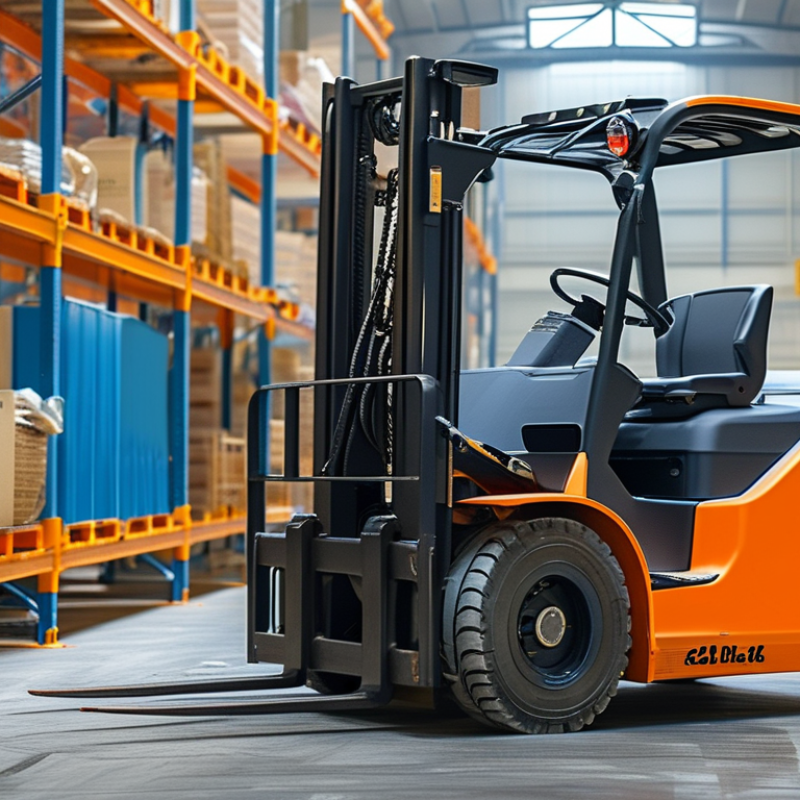
Reach trucks and forklifts serve different purposes in warehouses and industrial settings. A reach truck is designed for narrow aisles. It excels in lifting loads to higher racking systems. These trucks can extend their forks forward, allowing the operator to reach loads beyond the base's width. In contrast, forklifts are more versatile. They handle a variety of tasks, including moving, stacking, and transporting materials over greater distances.
According to the Material Handling Industry of America (MHIA), reach trucks can improve storage efficiency by up to 30%. This is crucial in facilities where space is limited. Forklifts can be better suited for outdoor applications due to their larger design. However, they may require wider aisles, which can limit storage options. While reach trucks are specialized, they may not perform well on uneven surfaces.
Tips: Consider the layout of your facility before selecting equipment. Evaluate whether higher storage or broader maneuverability is essential. Ensure your operators receive proper training. Investing in training can reduce accidents and increase productivity. Remember to assess the load's weight and dimensions carefully. Each type of equipment has its strengths and areas for improvement.
| Feature | Reach Truck | Forklift |
|---|---|---|
| Functionality | Ideal for stacking pallets in narrow aisles | Best for general material handling and transportation |
| Mast Type | Telescopic mast for extended reach | Standard mast for lift and lower operations |
| Aisle Width Requirements | Narrow aisle, typically 8-10 feet | Wider aisle, typically 10-12 feet |
| Max Lift Height | Up to 40 feet | Up to 20 feet |
| Load Capacity | Typically 2000-3000 kg | Typically 1000-5000 kg |
| Operator Visibility | Good visibility due to design | Varies, generally good |
| Best Use Cases | Warehouses with high shelving | Loading and unloading trucks, storage |
: Reach trucks excel in narrow aisles and high storage. Forklifts are better for maneuvering in wider spaces.
Reach trucks typically support 3,000 to 5,000 pounds. Forklifts can handle between 5,000 to 10,000 pounds.
Reach trucks are ideal for high-density storage in warehouses with narrow aisles.
Forklifts are versatile and frequently used in loading docks, construction sites, and shipping yards.
Reach trucks often include advanced stability systems to reduce tipping risks in tight spaces.
Limited visibility contributes to nearly 30% of forklift-related incidents, highlighting the importance of safety measures.
Reach trucks require skilled operators to navigate safely and avoid tipping, especially on uneven surfaces.
Regular training and updated safety protocols are essential to minimize human error and improve safety.
Companies must evaluate specific operational needs and the limitations of each machine to make informed choices.
Balancing productivity and safety is a continuous concern as equipment choices directly impact operations.
When comparing reach trucks and forklifts, it’s essential to understand their fundamental differences. Reach trucks are specifically designed for working in narrow aisles and can extend their forks to access racks at height, making them ideal for warehouse environments where maximizing vertical space is crucial. In contrast, forklifts are more versatile and can operate in varied conditions, providing greater stability for lifting and transporting heavy loads over both short and long distances.
The operational mechanisms of these two pieces of equipment vary significantly as well. Reach trucks typically feature a unique design with elevated operator positions and the ability to reach deeper into racking systems, while forklifts offer a straightforward design that prioritizes mobility and load distribution. Safety considerations for both types of equipment also differ, with each requiring specific training and adherence to industry regulations. Understanding "what is the difference between a reach truck and a forklift" is vital for selecting the right equipment for specific tasks and ensuring safe operations in material handling.

 AJ Forklifts