How to Calculate Forklift Truck Load Capacity Effectively?

Time:2026-05-11 Author:Liam
0%

Calculating the load capacity of a forklift truck is crucial for safe operations in warehouses and construction sites. John Smith, a leading expert in material handling safety, emphasizes, "Understanding how to calculate the load capacity of a forklift truck can prevent accidents and ensure efficiency." This expertise highlights the importance of comprehending the balance between load weight and forklift capabilities.

To grasp how to calculate the load capacity of a forklift truck, workers must first understand specific parameters. These include the forklift’s rated capacity, the weight distribution, and the load center distance. Each forklift model has a unique capacity rating, often found on its nameplate. Operators must not overlook these details, as inaccurately estimating the load can lead to dangerous tipping.

Moreover, inconsistencies in calculation methods can create challenges. For instance, operators might forget to consider the weight of attachments or uneven surfaces. This oversight can create an illusion of safety, resulting in hazardous situations. Thus, being meticulous in calculating the load capacity is essential for maintaining workplace safety and efficiency.
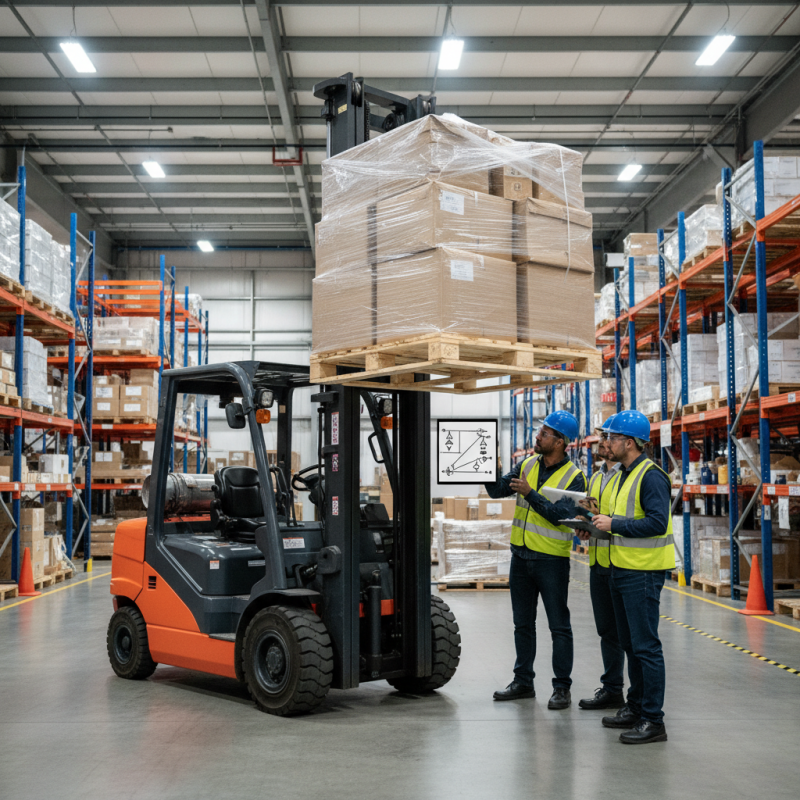
How to Calculate Forklift Truck Load Capacity Effectively?

Understanding Forklift Load Capacity Fundamentals

Understanding forklift load capacity is essential for safe operations. Each forklift has a specific weight limit, determined by various factors. Knowing these factors helps prevent accidents and ensures efficient operations.

Load capacity is typically displayed on the forklift's data plate. It includes the maximum weight, center of gravity, and lifting height limitations. Overloading can compromise stability and might lead to tipping. Each forklift design has unique characteristics. Always refer to the manufacturer’s guidelines for accurate information.

**Tips:** Regularly inspect the forklift to ensure it’s in good condition. Check tires and hydraulics, as wear can affect load capacity. Be mindful of uneven terrain. This can shift the center of gravity and create hazards. Avoid rush decisions. Even small mistakes can lead to serious accidents. Evaluate your lift plans. Proper planning contributes significantly to safety.

Key Factors Influencing Forklift Load Capacity

When calculating forklift truck load capacity, several key factors play a crucial role. The most significant element is the forklift's rated capacity, which is typically specified by the manufacturer. This figure often reflects the weight a truck can lift safely at a certain load center. For instance, a standard capacity might indicate that a truck can safely lift 5,000 pounds at a 24-inch load center.

Load center distance is critical. Moving a load further from the forks increases leverage and decreases stability. Understanding the vehicle's stability triangle is also vital. If the center of gravity shifts outside this triangle, the truck may tip. According to the Occupational Safety and Health Administration (OSHA), many accidents occur due to improper calculation or misunderstood load capacity.

Additionally, environmental conditions impact load capacity. Rough surfaces or steep inclines can strain the forklift and reduce its effective load limits. Operators should be trained to assess these factors. A lack of awareness can lead to accidents and even fatalities. Continuous training is essential to stress the importance of constant reflection on load handling procedures. Ultimately, maintaining a keen awareness of these variables ensures safer and more efficient operations.

Step-by-Step Calculation of Load Capacity

Calculating the load capacity of a forklift is crucial for maintaining safety and efficiency on the job. Each forklift has a specific load limit that should never be exceeded. Determining this capacity involves several straightforward steps. Begin by locating the forklift's data plate. This plate provides vital information, including maximum load capacity and load center.

Next, assess the load dimensions and weight. Measure the width, height, and depth of the materials you intend to lift. Weigh them accurately to ensure you have the precise figures. Another critical step is calculating the load center. This measurement indicates the distance from the forklift's front to the load's center of gravity. If the load center exceeds the standard distance listed on the data plate, the capacity will decrease.

Finally, factor in any additional considerations. For example, uneven loads can affect balance. Uneven surfaces and inclines can create further complications. Regular training for operators is essential to avoid common miscalculations. Ignoring these details can lead to accidents or equipment damage. Always perform safety checks and reflect on previous experiences to improve your understanding of safe load handling.

How to Calculate Forklift Truck Load Capacity Effectively? - Step-by-Step Calculation of Load Capacity

Dimension Description Unit Value
Load Capacity Maximum load the forklift can safely lift kg 2000
Fork Length Length of the forks that hold the load mm 1200
Load Center Distance from the back of the forks to the center of the load mm 600
Total Weight of Load Total weight of the cargo being lifted kg 1500
Maximum Lifting Height The highest point to which the forklift can lift the load mm 3000

Safety Standards and Regulations on Load Capacity

When operating forklift trucks, understanding load capacity is crucial for safety and efficiency. The Occupational Safety and Health Administration (OSHA) outlines specific regulations that operators must follow. Adhering to these regulations helps to prevent accidents and injuries in the workplace. Each forklift comes with a load capacity plate, which indicates the maximum weight the vehicle can safely lift. Always check this plate before use.

Tips: Regular training for operators is essential. Refreshing their knowledge on load capacity ensures compliance with safety standards. In addition, conduct routine inspections of forklifts. This includes checking the actual load against the capacity plate. Problems can often arise from operators ignoring these guidelines.

Load capacity is influenced by several factors: the type of load, its center of gravity, and the terrain. Overloading a forklift can lead to tipping over, even with minor adjustments. Understand that different types of loads may require varying approaches. It’s important to consider these factors to make informed decisions in daily operations. Continually evaluating load handling practices fosters a safer working environment.

Maintaining and Testing Forklift Load Capacity Effectively

Maintaining and testing forklift load capacity is essential for safety and efficiency. According to the Occupational Safety and Health Administration (OSHA), regular inspections can reduce accidents by 20%. Routine testing ensures that forklifts can safely carry intended loads. Operators should check capacity plates before loading. These plates detail weight limits and specifications.

Implementing a regular maintenance schedule is vital. Regularly inspecting forks, tires, and hydraulic systems prevents malfunctions. A study from the National Safety Council revealed that 74% of forklift incidents are linked to equipment failure. Operators need proper training to understand load limits. Training should include hands-on practice and theoretical knowledge. Effective training fosters a culture of safety.

Moreover, employers should encourage load testing. This involves practicing with weights close to maximum capacity. It reveals potential issues before they create hazards. Conducting these tests regularly keeps operators aware of the current state of equipment. Adjustments may be needed as loads change over time. Regular checks help maintain compliance with safety regulations, ensuring a safer work environment.

Forklift Truck Load Capacity Overview

FAQS

: Why is understanding forklift load capacity important?

: Knowing load capacity ensures safety and efficiency in operations. It helps prevent accidents.

Where can I find the load capacity information for a forklift?

The load capacity is displayed on the forklift's data plate. It indicates maximum weight and limitations.

What can happen if a forklift is overloaded?

Overloading can compromise stability and lead to tipping. Even small weights can cause serious accidents.

How often should forklifts be inspected?

Regular inspections are crucial. They should be done frequently to ensure the forklift is in good condition.

What factors influence a forklift's load capacity?

Factors include the type of load, center of gravity, and terrain. Each can affect lifting ability.

How can operators ensure they are compliant with safety standards?

Regular training and knowledge refreshers for operators are essential. This helps them understand load capacity correctly.

What is the significance of a maintenance schedule for forklifts?

A maintenance schedule prevents malfunctions and reduces accident risks. It's vital for safety and efficiency.

What does load testing involve?

Load testing includes practicing with weights close to maximum capacity. It identifies potential issues before they become hazards.

How can I prevent making rush decisions while operating forklifts?

Proper planning and evaluation of lift plans are key. This approach enhances safety and reduces risks.

Why is it important to adjust practices as loads change?

Regular checks and adjustments help maintain safety compliance. Loads can vary, and so should handling practices.

Conclusion

Understanding how to calculate the load capacity of a forklift truck is crucial for ensuring safe and efficient operations in various industries. The article begins by explaining the fundamentals of forklift load capacity, which is influenced by several key factors including the design of the forklift, the distribution of the load, and the condition of the surface on which it operates.

A detailed step-by-step calculation method is provided, allowing operators to determine the maximum load capacity accurately. Furthermore, the article emphasizes the importance of adhering to safety standards and regulations, as well as conducting regular maintenance and testing to ensure the forklift remains within its load capacity limits. By following these guidelines on how to calculate the load capacity of a forklift truck, operators can enhance workplace safety and performance.

Liam

Liam

Liam is a dedicated marketing professional with a profound expertise in the industry, where he excels at highlighting the unique advantages of our core products. With a keen understanding of market trends and consumer needs, Liam frequently updates our company’s professional blog, providing......