Warehouses are changing rapidly, and forklift power systems are part of that shift. The question is practical: What are the benefits of switching to an all-electric forklift fleet? The answer reaches beyond lower fuel bills. Electric trucks can reduce indoor exhaust, simplify daily maintenance, and create quieter working zones. Operators may notice the difference near loading docks, where conversations become easier and air feels cleaner.
Recent industry evidence supports this direction. The U.S. Department of Energy’s Industrial Decarbonization Roadmap identifies electrification as a major pathway for reducing industrial emissions. The International Energy Agency’s Global EV Outlook 2024 also reports continued battery deployment and improving battery economics, although forklifts have different duty cycles. MHI’s 2024 Industry Report highlights energy efficiency, labor pressures, and operational resilience as central material-handling concerns. These findings give fleet managers a credible starting point, not a guaranteed result.
The strongest benefits appear when charging, battery capacity, and shift patterns match real warehouse conditions. A three-shift facility may need fast charging, battery swapping, or additional trucks. Cold storage can reduce battery performance. Power upgrades can also add unexpected costs. The transition is not magic. A rushed switch may replace diesel expenses with avoidable charging bottlenecks. Careful pilot testing matters. Measuring energy use, charging time, maintenance calls, operator feedback, and total cost of ownership creates a more reliable business case. The following ten benefits examine where electric fleets perform well, where assumptions need testing, and how practical planning can turn cleaner equipment into measurable operational value.
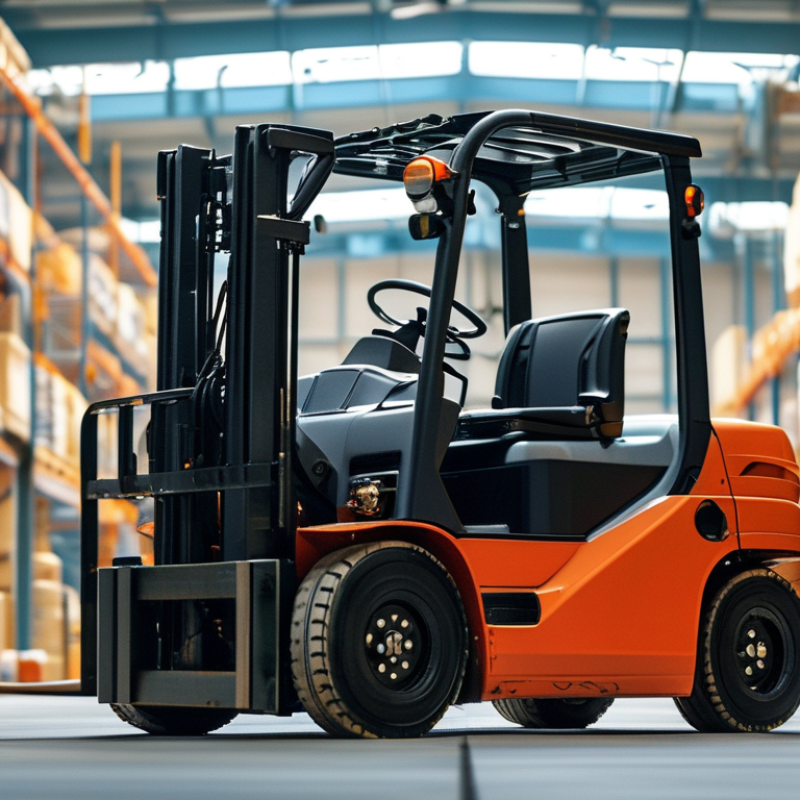
Electric forklift fleets are not simply a vehicle swap. They require a planned transition involving energy supply, charging space, battery handling, and operator routines. World Industrial Truck Statistics reported that electric trucks represented roughly two-thirds of global deliveries in 2023. The market is moving quickly. However, adoption speed should follow operational evidence, not enthusiasm.
Start with the duty cycle. Record lift heights, travel distances, idle periods, shift patterns, and floor conditions. A truck working three short indoor shifts may need opportunity charging, spare batteries, or newer fast-charging systems. Charging areas also need ventilation, fire controls, clear traffic separation, and trained staff. Battery-electric equipment removes tailpipe emissions indoors, but it does not remove electricity demand or maintenance responsibilities. The International Energy Agency reported an 82% decline in lithium-ion battery prices between 2013 and 2023, although forklift economics still depend on local electricity rates and battery replacement costs.
A small pilot can reveal inconvenient truths. Our assumptions about charging locations may be wrong. Dock congestion, cold storage, and uneven floors can reduce expected productivity. Compare energy use, uptime, charging delays, maintenance hours, and operator feedback before expanding. Track results across several weeks, not one impressive shift. A transition succeeds when the fleet fits the warehouse rhythm, not when the equipment merely appears cleaner.
Electric forklifts can remove tailpipe emissions from warehouses, cold rooms, and manufacturing areas. This matters where workers spend entire shifts near moving equipment. The U.S. Environmental Protection Agency reports that indoor pollutant levels can be two to five times higher than outdoor levels, and sometimes much higher. Removing combustion exhaust can reduce one important source of nitrogen dioxide, carbon monoxide, and fine particles.
Safety gains are also practical. Electric models usually operate more quietly, helping employees hear alarms, instructions, and approaching vehicles. However, quiet equipment can create a new risk. Pedestrians may not notice it soon enough. OSHA estimates that powered industrial trucks contribute to about 85 workplace fatalities and 34,900 serious injuries each year in the United States. Cleaner air does not replace traffic controls, operator training, or seat-belt use.
Tips: Measure air quality before and after fleet changes. Mark pedestrian lanes clearly. Add speed limits at blind corners. Train workers to look, listen, and make eye contact. Check charging areas for ventilation, battery damage, and safe access. The U.S. National Institute for Occupational Safety and Health emphasizes exposure assessment and engineering controls, yet many facilities still rely mainly on reminders. That approach is incomplete. A quieter truck is safer only when workplace design changes with it. Battery charging also needs disciplined inspections, not occasional attention.
Electric forklift fleets can lower operating costs through simpler powertrains and fewer fuel-related expenses. There is no engine oil, spark plug, or exhaust aftertreatment to service. Maintenance teams usually spend more time checking tires, brakes, hydraulics, and battery condition instead. That shift can reduce workshop hours and unexpected downtime. Small savings accumulate across every operating shift.
Energy costs also become easier to measure. Electricity used during charging can be tracked by shift, vehicle, or warehouse zone. Regenerative braking returns some energy during deceleration and load lowering. Indoor operations may need less ventilation because electric trucks produce no tailpipe emissions. Quieter movement can also reduce noise-related complaints near packing areas. Less noise matters.
The financial calculation is not always flattering. Charging infrastructure, spare batteries, and electrical upgrades can create a large initial expense. A poorly planned charging schedule may cause queues during busy periods. Cold storage can also reduce battery performance and increase charging demands. Managers should compare energy tariffs, duty cycles, battery replacement intervals, and utilization data before changing the fleet. A practical pilot can reveal problems that spreadsheets miss. Record charging time, maintenance labor, downtime, and energy use for several weeks. Then compare those figures with the existing fleet under similar workloads. This evidence supports a more reliable investment decision and exposes savings that may otherwise be overstated.
Switching to electric forklift fleets can sharpen daily productivity, not merely reduce fuel use. Operators experience smoother acceleration, precise stopping, and quieter warehouse aisles. Noise drops. That matters during shift handovers and barcode scanning. The U.S. Department of Energy’s Alternative Fuels Data Center reports that electric drivetrains convert over 77% of input energy into movement, while conventional gasoline engines convert roughly 12–30%. This efficiency can support longer productive hours when charging schedules match demand.
Performance also improves through regenerative braking, which returns energy during deceleration and reduces brake wear. The International Energy Agency estimates electric motor systems consume about 45% of global electricity. Efficient motor control therefore deserves serious attention in industrial fleet planning. Battery telemetry can reveal idle time, uneven usage, and avoidable charging delays. Managers can then assign trucks more intelligently across loading docks, cold rooms, and high-rack aisles.
Still, electric conversion is not automatically efficient. Charging space may become a bottleneck. Poorly timed charging can leave a morning shift short of trucks. Battery temperature, operator habits, and floor conditions also influence real output. A practical pilot should track pallets moved per hour, energy consumed per shift, maintenance hours, and truck availability. Results may disappoint at first. That is useful evidence, not failure. Adjusting charger locations, reserve capacity, and operator training can turn measured weaknesses into measurable fleet gains.
Electric forklift fleets can support sustainability while strengthening everyday business performance. They produce no tailpipe emissions indoors, helping improve air quality around operators, products, and warehouse visitors. This matters in enclosed facilities where ventilation costs and worker comfort often affect productivity. Lower noise levels also make conversations and warning signals easier to hear.
Compliance becomes more manageable when companies document charging procedures, battery inspections, operator training, and maintenance records. Electric equipment can simplify environmental reporting, especially where organizations track energy use and workplace emissions. However, electricity is not automatically clean. Its environmental value depends on the local power mix and charging habits. A realistic assessment should include battery replacement, downtime, and recycling arrangements. Ignoring these details weakens credibility.
Tips: Map daily routes before purchasing equipment. Measure lifting hours, load weights, charging access, and shift changes. Keep one charging area visible and uncluttered. Train operators to report unusual heat, damage, or reduced runtime. Avoid assuming every truck fits every task. Pilot a small group first, then compare energy use, maintenance hours, noise complaints, and productivity. The transition is not effortless. Yet careful data and honest review can support stronger compliance, steadier operating costs, and long-term growth.
Supporting Sustainability, Compliance, and Long-Term Business Growth
The chart presents representative percentage improvements commonly associated with electric forklift fleets compared with internal-combustion fleets. Actual results vary according to electricity prices, duty cycles, fleet size, battery technology, facility layout, and local regulations.
: The transition also requires charging space, energy planning, battery handling, and revised operator routines. Pilot first. A vehicle swap alone may fail.
Record lift heights, travel distances, idle periods, shift patterns, and floor conditions. Include cold storage and dock congestion. These details reveal real energy and uptime needs.
A pilot may show that planned charging locations are impractical. Track energy use, uptime, charging delays, maintenance hours, and operator feedback. Measure several weeks. One impressive shift proves little.
Provide ventilation, fire controls, clear traffic separation, and trained staff. Keep charging routes away from busy loading paths. A tidy layout still needs regular review.
They can reduce fuel-related expenses and simplify some maintenance work. There is no engine oil, spark plug, or exhaust aftertreatment. Maintenance still includes tires, brakes, hydraulics, and battery checks.
They produce no tailpipe emissions indoors and may reduce ventilation demand. Quieter movement can also reduce complaints near packing areas. Less noise matters.
Charging equipment, spare batteries, and electrical upgrades can require substantial upfront spending. Cold storage may reduce battery performance and increase charging demand. The calculation is not always flattering.
Compare similar workloads using energy costs, charging time, maintenance labor, downtime, and utilization. Include local electricity rates and battery replacement intervals. Our assumptions may be wrong. Evidence should guide expansion, not enthusiasm.
Switching to an all-electric forklift fleet can transform material-handling operations by creating a cleaner, safer, and more efficient workplace. What are the benefits of switching to an all-electric forklift fleet? Key advantages include eliminating exhaust emissions in indoor areas, reducing noise, and improving air quality for employees. Electric forklifts can also lower fuel and energy expenses, require less routine maintenance, and provide more predictable operating costs over time.
Beyond cost savings, electric fleets support consistent performance, precise handling, and improved productivity through reduced downtime and streamlined charging management. Their efficient operation can help businesses optimize fleet utilization while meeting evolving workplace and environmental expectations. By reducing emissions and supporting sustainability goals, an all-electric transition can strengthen regulatory readiness, enhance corporate responsibility, and contribute to long-term business growth. With careful planning for charging infrastructure, battery use, and operator training, companies can achieve a practical transition that balances immediate operational improvements with lasting fleet efficiency.

AJ Forklifts