What are the advantages of an all-electric forklift fleet?

Time:2026-05-19 Author:Charlotte
0%

In today’s industrial landscape, the shift towards sustainability is crucial. One area ripe for change is forklift fleets. Transitioning to an all-electric forklift fleet stands out. An expert in the field, John Smith, explains, “Electric forklifts not only cut emissions but also reduce operating costs significantly.” Many companies are now asking, "What are the benefits of switching to an all-electric forklift fleet?"

Electric forklifts offer numerous advantages. They are quieter, creating a better working environment. They require less maintenance than their gas counterparts. Their efficiency can lead to lower energy costs over time. Many of these fleets come with advanced technology, making operations smoother.

However, the transition requires careful planning. Not all facilities are ready for electric solutions. Infrastructure upgrades may be necessary. Additionally, employee training for new equipment is essential. Businesses must weigh these challenges against the long-term benefits. The future is electric, and embracing this change could redefine operational success.
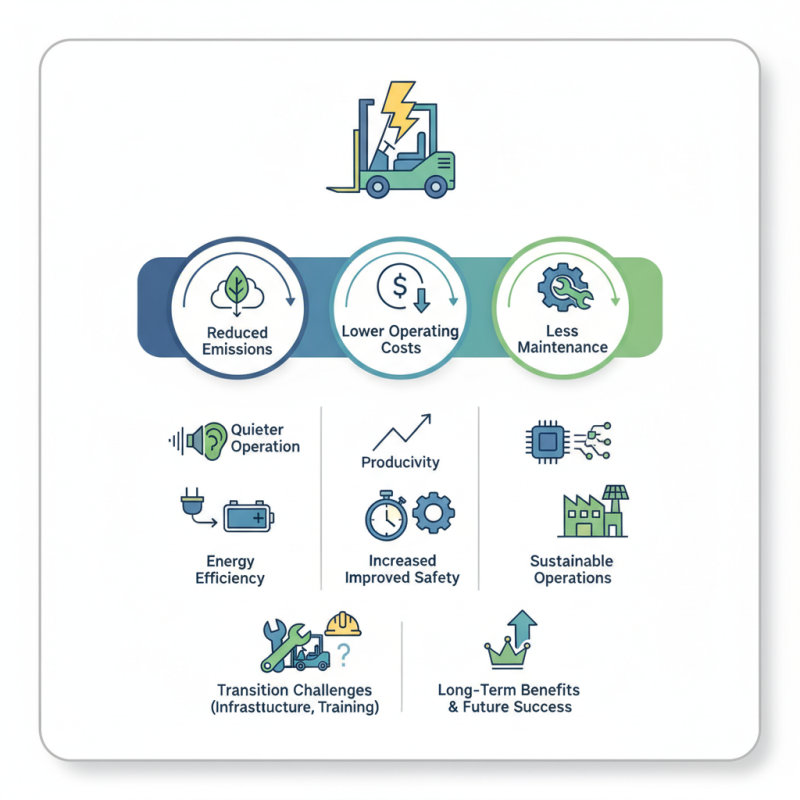
What are the advantages of an all-electric forklift fleet?

Advantages of All-Electric Forklift Fleets in Material Handling

Electric forklifts are gaining traction in the material handling industry. They come with several significant advantages. One major benefit is reduced emissions. Unlike traditional forklifts, all-electric models operate without exhaust fumes. This creates a healthier environment for workers, especially in enclosed spaces.

Cost savings are another advantage. Electric forklifts typically have lower operating costs. They require less maintenance than their gas or diesel counterparts. The absence of fuel also cuts down on operational expenses. However, initial investment might seem high. Companies must evaluate long-term benefits versus upfront costs.

Adopting an all-electric fleet allows for quieter operations. Reduced noise pollution can enhance workplace comfort. Employees can focus better in a quieter environment. Yet, some companies may struggle with the transition. Staff training on new technology is essential. Resistance to change can hinder progress. Addressing these challenges is crucial for successful implementation.

Advantages of All-Electric Forklift Fleets in Material Handling

Advantage Description Impact
Reduced Emissions All-electric forklifts have zero tailpipe emissions, contributing to improved air quality in warehouses. Eco-friendly operations; compliance with environmental regulations.
Lower Operating Costs Electric forklifts typically have lower maintenance costs compared to internal combustion models. Reduced total cost of ownership (TCO) and improved budget forecasting.
Noise Reduction Electric forklifts operate much quieter than diesel or gas-powered forklifts. Enhanced working environment; less noise pollution for nearby staff.
Improved Labor Efficiency Electric forklifts provide smoother acceleration and easier handling, improving operator productivity. Increased throughput in material handling operations.
Longer Run Time Modern electric forklifts come with advanced battery technology, enabling longer operating times. Less downtime for battery charging, leading to continuous operation.
Safer Operations Electric forklifts often have better stability and safety features due to their design and weight distribution. Reduced risk of accidents and injuries in the workplace.

Reduction of Total Operational Costs with Electric Forklifts

Adopting an all-electric forklift fleet can significantly reduce total operational costs. Electric forklifts typically have lower energy costs compared to their diesel counterparts. According to a report by the Industrial Truck Association, energy costs of electric forklifts can be up to 70% less than those of internal combustion units when used properly. This directly impacts overall operational budgets.

Maintenance expenses also decline with electric forklifts. They have fewer moving parts and do not require oil changes or extensive engine repairs. A study published by the Occupational Safety and Health Administration noted that companies utilizing electric forklifts reported an average savings of 30% in maintenance costs. These savings add up over time, making electric fleets an economically sound decision.

Moreover, electric forklifts contribute to a cleaner work environment. This enhanced air quality can lead to fewer health-related absences among employees. However, transitioning to an all-electric fleet does require initial investment in infrastructure and training. Companies must weigh both the upfront costs and long-term savings. Not all warehouses may be ready for this transition, and that requires careful consideration.

Environmental Benefits: Lower Emissions and Sustainability

Shifting to an all-electric forklift fleet offers significant environmental benefits. Electric forklifts produce zero tailpipe emissions, which directly reduces air pollution in warehouses. This change can bolster the quality of indoor air, benefiting employees who work long hours in close quarters. Furthermore, using electric power sources supports sustainability. As more companies choose renewable energy, the overall carbon footprint decreases.

Tips for improving energy use include optimizing your charging schedule. Charge forklifts during off-peak hours to take advantage of lower energy costs. Regular maintenance is also crucial for ensuring your fleet runs efficiently. Small improvements can lead to significant energy savings.

While the switch to electric forklifts seems beneficial, challenges exist. Initial costs can be high, and some facilities may require upgrades. It’s also vital to train operators properly. Employees must understand how to use electric forklifts to avoid misuse and maximize efficiency. Balancing these challenges with long-term gains is essential for a successful transition.

Advantages of an All-Electric Forklift Fleet

This chart showcases the key advantages of adopting an all-electric forklift fleet, including lower emissions, reduced noise pollution, lower operating costs, improved safety, and sustainability, all scored on a scale of 1 to 10 based on their significance.

Enhanced Safety Features of All-Electric Forklifts in the Workplace

All-electric forklifts introduce a host of safety features that enhance workplace efficiency and reduce hazards. Their design minimizes the risk of accidents. For example, their electric-powered systems eliminate the need for flammable fuels. This significantly lowers fire hazards often seen in traditional forklift operations. Furthermore, these forklifts produce less noise, allowing operators to focus better and reducing distractions.

Enhanced visibility is another crucial advantage. All-electric forklifts typically feature better lighting systems. This enables operators to see their surroundings clearly, even in low-light areas. Some models come with advanced sensors that detect obstacles. These sensors automatically alert operators, preventing potential collisions. The ability to move quietly means workers can communicate more easily and respond to issues faster.

However, there are always areas for improvement. Training programs for operators should consider the unique features of all-electric options. Awareness of safety protocols can be lacking. Regular assessments and feedback can help address any shortcomings. In addition, maintenance practices need to adapt to ensure these advanced systems remain reliable and safe for all users.

Increased Efficiency and Productivity in Warehouse Operations with Electric Models

Electric forklifts are transforming warehouse operations with increased efficiency and productivity. According to industry reports, electric models can improve operational efficiency by up to 30%. They achieve this through lower energy consumption and reduced maintenance costs. Battery-powered forklifts also operate indoors without the emissions associated with internal combustion engines. This creates a healthier work environment and minimizes downtime caused by ventilation issues.

One significant advantage is the quick charging capabilities of electric models. Fast charging can boost productivity, allowing operators to spend more time moving goods and less time waiting. In fact, some electric forklifts can fully charge in less than 2 hours. This flexibility can result in longer operational hours without the need for multiple units.

Tips: Always assess the total cost of ownership when considering a forklift fleet. Unexpected maintenance can affect the bottom line. Regularly train operators to ensure they are maximizing efficiency with electric models. Consider data tracking methods to measure productivity.

FAQS

: What are the cost benefits of using electric forklifts?

: Electric forklifts can reduce energy costs by up to 70% compared to diesel forklifts. Maintenance costs may also decline by 30%.

How does using electric forklifts impact the work environment?

They produce zero emissions, improving indoor air quality and potentially reducing employee health-related absences.

What upfront investments are needed for electric forklift adoption?

Companies need to invest in infrastructure and training for employees to operate electric forklifts safely and efficiently.

What maintenance practices can improve electric forklift efficiency?

Regular maintenance and optimizing charging schedules can ensure your electric forklifts run smoothly and save energy.

Are there any challenges in transitioning to an electric forklift fleet?

Yes, initial costs can be high, and facilities may require upgrades. Proper training for operators is also essential.

How can a company maximize long-term savings with electric forklifts?

Balancing the need for initial investment against potential long-term savings is crucial for making an economically sound decision.

What training is necessary for employees operating electric forklifts?

Employees must understand how to operate electric forklifts to prevent misuse and enhance operational efficiency.

Why is sustainability important in using electric forklifts?

Electric forklifts support sustainability by reducing the carbon footprint when powered by renewable energy sources.

How can charging practices affect operational costs?

Charging during off-peak hours can significantly reduce energy costs and improve overall efficiency.

What considerations should companies keep in mind before transitioning?

Not all warehouses are ready for an all-electric fleet; companies need to assess current infrastructure and readiness.

Conclusion

In recent years, many businesses have begun to explore the question: "What are the benefits of switching to an all-electric forklift fleet?" The advantages are compelling, including significant reductions in total operational costs. Electric forklifts not only require less maintenance than their gas counterparts, but they also lead to lower fuel costs and increased energy efficiency, ultimately reducing the overall expenditure for logistics operations.

Moreover, the environmental benefits cannot be overlooked. All-electric forklift fleets contribute to lower emissions and promote sustainability, making them a proactive choice for companies aiming to enhance their green credentials. Safety is also a top priority; electric forklifts often feature advanced safety technologies that reduce workplace accidents. Lastly, these electric models improve operational efficiency and productivity in warehouses, ensuring smoother workflows and better handling of materials. Overall, transitioning to an all-electric forklift fleet presents a multifaceted advantage for modern material handling operations.

Charlotte

Charlotte

Charlotte is a seasoned marketing professional with a deep understanding of the company's portfolio and a passion for elevating its presence in the market. With a keen eye for detail and a commitment to excellence, she ensures that our professional blog is regularly updated with insightful articles......